| REPORT ATTRIBUTE | DETAILS |
|---|---|
| Historical Period | 2020-2023 |
| Base Year | 2024 |
| Forecast Period | 2025-2032 |
| Depth Filtration Market Size 2024 | USD 2,983.4 million |
| Depth Filtration Market, CAGR | 8.3% |
| Depth Filtration Market Size 2032 | USD 5,666.8 million |
Market Overview:
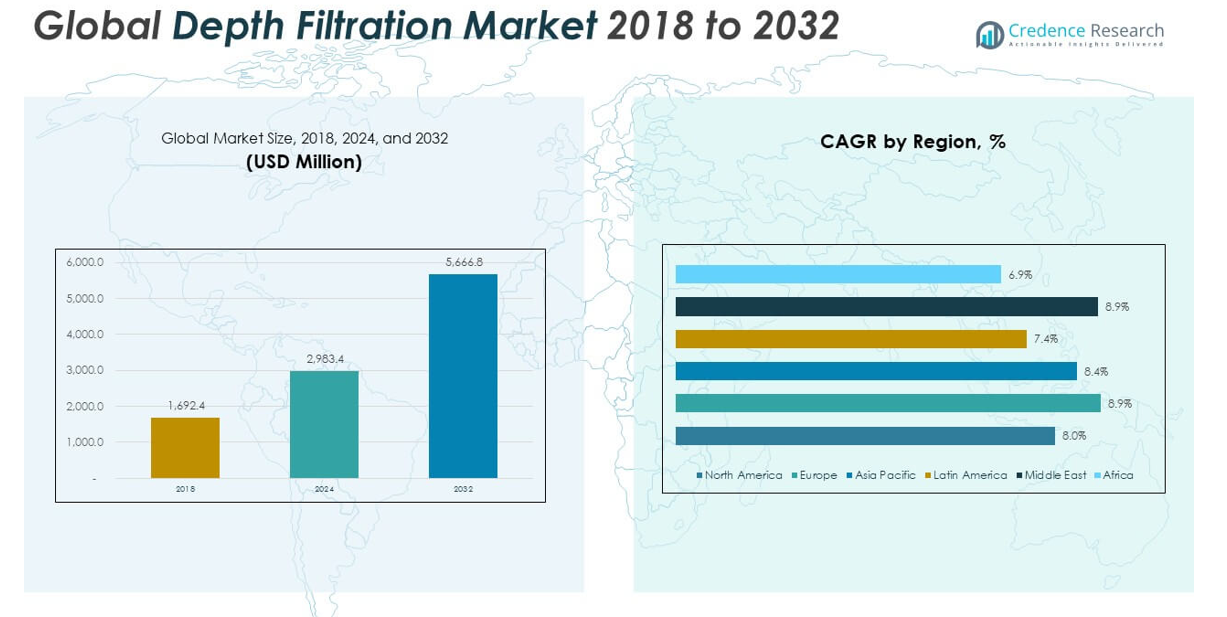
The Global Depth Filtration Market size was valued at USD 1,692.4 million in 2018 to USD 2,983.4 million in 2024 and is anticipated to reach USD 5,666.8 million by 2032, at a CAGR of 8.3% during the forecast period.
Key factors driving the growth of the global depth filtration market include the expanding biopharmaceutical and pharmaceutical manufacturing sectors, the rising demand for advanced filtration solutions in food and beverage processing, and increasing regulatory emphasis on water and air purity. In bioprocessing, depth filters are widely used for cell clarification and impurity removal, especially in the production of monoclonal antibodies and vaccines. Additionally, growing adoption of single-use technologies in drug manufacturing is fueling the demand for depth filters that offer high dirt-holding capacity and process scalability. Technological advancements in filter media-such as incorporation of cellulose, perlite, and diatomaceous earth-and the development of multi-layer filters have improved the filtration efficiency and lifespan of these systems. Moreover, the need for sustainable and efficient filtration systems in industrial water treatment and environmental management is further accelerating market growth. Industries are increasingly turning to depth filtration to reduce particulate matter and comply with stringent environmental regulations.
Regionally, North America dominates the depth filtration market due to its advanced healthcare infrastructure, strong pharmaceutical manufacturing base, and high investment in research and development. The United States, in particular, is a major contributor, supported by regulatory requirements from the FDA and a robust presence of biopharma companies. Europe follows closely, with Germany, the UK, and France being key markets, driven by stringent environmental policies and technological innovation in industrial processing. Asia-Pacific is emerging as the fastest-growing regional market, fueled by expanding industrialization, growing pharmaceutical and biotech sectors, and increasing government focus on water and food safety. Countries like China, India, and Japan are experiencing rising adoption of depth filtration in both healthcare and manufacturing sectors. Additionally, Latin America and the Middle East & Africa are expected to witness moderate growth, supported by increasing investments in infrastructure, healthcare expansion, and regulatory reforms aimed at improving water quality and public health standards. Overall, the global depth filtration market is poised for sustained growth as industries prioritize efficiency, compliance, and high-performance filtration solutions.
Market Insights:
- The Global Depth Filtration Market was valued at USD 1,692.4 million in 2018, grew to USD 2,983.4 million in 2024, and is projected to reach USD 5,666.8 million by 2032, expanding at a CAGR of 8.3%.
- Pharmaceutical and biopharma sectors are key growth engines, using depth filtration extensively for cell clarification, impurity removal, and viral retention during the production of biologics and vaccines.
- Governments globally are enforcing strict standards for wastewater, emissions, and potable water quality, driving the use of depth filtration across chemical, food, and power generation industries.
- Producers in beverages and dairy industries use depth filters to ensure clarity, microbial safety, and product stability, aligning with clean-label and preservative-free product trends.
- New filter media with multi-layer structures and composite materials enhance dirt-holding capacity and longevity, while smart equipment integration enables predictive maintenance and efficiency.
- Single-use nature of many depth filters leads to high operational costs and disposal concerns, prompting demand for sustainable and recyclable alternatives to meet environmental expectations.
- North America leads the market in revenue, but Asia-Pacific is the fastest-growing region, with China, India, and Japan expanding usage across pharmaceuticals, healthcare, and industrial processing.
Market Drivers:
Rising Demand from Biopharmaceutical and Pharmaceutical Manufacturing:
The expansion of biologics and vaccine production is a major factor driving the Global Depth Filtration Market. Pharmaceutical and biopharma manufacturers increasingly rely on depth filtration for cell clarification, impurity removal, and viral filtration. Its compatibility with single-use systems supports scalable and flexible bioprocessing workflows, which are critical for producing sensitive biologics. Manufacturers benefit from the high particle retention and minimal filter fouling, which enhances process yield and product quality. The demand for monoclonal antibodies and recombinant proteins continues to grow, prompting investments in depth filtration technologies. Regulatory agencies require stringent impurity removal standards, making depth filters essential for GMP-compliant production environments.
- For instance, Pall Corporation’s Supracap™ 100 depth filter capsules enable scalability from a few liters to full process modules, supporting a range of bioprocessing volumes with consistent performance and ease of integration into GMP environments.
Stringent Regulatory Standards in Water Treatment and Environmental Applications:
Governments worldwide have enforced strict regulations on wastewater discharge, industrial emissions, and potable water quality, strengthening the case for depth filtration. Industries such as power generation, food processing, and chemical manufacturing integrate depth filters to comply with water purification mandates. The filters efficiently remove suspended solids, fine particulates, and organic matter, meeting the performance criteria set by environmental authorities. In water-scarce regions, the need for efficient reuse of industrial and municipal water increases reliance on depth filtration. It also supports the removal of microplastics and other pollutants that conventional filtration fails to address. The Global Depth Filtration Market benefits from its established role in enabling industries to meet sustainability targets and regulatory obligations.
- For instance, Eaton’s BECO depth filter sheets meet FDA and European food safety standards and are widely used for microbial reduction, fine filtration, and upstream protection of membranes in food, beverage, and pharmaceutical applications.
Growing Food and Beverage Industry Requirements for Purity and Safety:
Depth filtration plays a central role in ensuring product consistency and safety in the food and beverage sector. Producers of beer, wine, soft drinks, and dairy products depend on depth filters to eliminate unwanted particles, yeasts, and bacteria without compromising flavor or quality. These filters provide a cost-effective method of achieving microbial stability and visual clarity in liquids. Consumer demand for clean-label and preservative-free products increases the need for reliable, non-chemical filtration solutions. The market benefits from the industry's investment in high-capacity, automated filtration systems that improve throughput and reduce manual intervention. The Global Depth Filtration Market continues to expand due to its relevance in maintaining hygiene and compliance standards in food-grade processing environments.
Advancements in Filtration Media and Equipment Design:
Material science innovations have enhanced the performance, efficiency, and durability of modern depth filters. Manufacturers now offer multi-layer filters with varied porosity and surface charge, improving contaminant capture while extending service life. These designs reduce downtime and operational costs, making them attractive for continuous processing applications. New media compositions using cellulose, perlite, and synthetic polymers improve chemical compatibility and flow rates. Equipment integration with pressure sensors and automated monitoring features optimizes filter usage and supports predictive maintenance. The Global Depth Filtration Market benefits from these advancements, which align with industry needs for operational efficiency, reduced waste, and consistent filtration outcomes.
Market Trends:
Shift Toward Pre-Filtration and Multi-Stage Filtration Systems:
The trend toward pre-filtration and multi-stage depth filtration systems is gaining traction across industries aiming to optimize process efficiency. Companies use depth filters not only for final polishing but also as the first line of defense against heavy particulate loads. This shift improves membrane protection, reduces filter replacement frequency, and enhances product yield. Multi-stage configurations allow for tailored retention rates, where coarse and fine particles are separated systematically. The Global Depth Filtration Market is seeing increasing demand for modular filtration setups that improve system longevity and throughput. It enables operators to extend the life of downstream equipment while maintaining strict quality standards.
- For instance, Pall’s SUPRAdisc™ depth filter modules offer a void volume of 70–85%, providing high dirt holding capacity and slow differential pressure increase, which reduces the risk of spontaneous blocking and extends operational life.
Adoption of Single-Use Depth Filtration Modules in Flexible Manufacturing:
Biopharmaceutical and contract manufacturing organizations are accelerating their transition toward single-use technologies, and depth filtration modules are a core part of that evolution. These disposable systems reduce the risk of cross-contamination and minimize cleaning validation steps, which shortens production turnaround times. The Global Depth Filtration Market is witnessing strong interest in capsule and stackable cartridge formats that support plug-and-play integration. It suits the operational needs of small-batch and multi-product facilities requiring flexible processing. Equipment suppliers now design depth filters compatible with hybrid and fully single-use bioprocessing platforms. The emphasis on agility and contamination control drives continued innovation in single-use depth filtration design.
- For instance, Merck’s Millistak+® Pod disposable depth filter system offers a modular design that eliminates the need for housing and cleaning validation, with scalability up to 20,000 liters and a 70% reduction in operator time for product management
Integration of Automation and Smart Monitoring in Filtration Infrastructure:
Automation and digital monitoring have become integral to modern filtration processes, particularly in regulated and high-throughput environments. Manufacturers are embedding sensors and real-time analytics into filtration systems to track pressure differentials, flow rates, and filter saturation levels. These tools support predictive maintenance and enable consistent filter performance without manual intervention. The Global Depth Filtration Market is incorporating smart filtration frameworks that align with Industry 4.0 principles. It allows for better process control, reduced downtime, and improved traceability. Operators benefit from greater operational visibility, which supports compliance and quality assurance efforts in critical manufacturing lines.
Customization of Depth Filter Media for Niche Industrial Applications:
Industrial users increasingly seek depth filters customized for specific process requirements, such as high-temperature stability, chemical resistance, or hydrophobic performance. Filter media are being tailored using specialized polymers, composite blends, and surface treatments to suit these conditions. The Global Depth Filtration Market is evolving to accommodate demand from emerging industries like battery manufacturing, microelectronics, and specialty chemicals. It enables suppliers to diversify beyond traditional markets and offer value-added, application-specific solutions. Customized filtration options help end-users meet performance targets in challenging operational environments. This trend reflects a broader movement toward specialized, performance-driven filtration technologies.
Market Challenges Analysis:
Limited Reusability and Disposal Concerns in High-Volume Applications:
One of the persistent challenges facing the Global Depth Filtration Market is the limited reusability of filter media, especially in high-volume and regulated applications. Depth filters are often single-use, particularly in pharmaceutical and bioprocess settings, leading to frequent replacements and higher operational costs. This creates logistical and environmental concerns related to waste management and disposal of used filter cartridges. Regulatory compliance for disposal of biohazardous or chemically treated materials adds complexity for end-users. It places pressure on manufacturers to develop more sustainable, recyclable, or biodegradable filter alternatives without compromising performance. The market must address these issues to align with global sustainability initiatives and customer expectations for environmentally responsible solutions.
Performance Inconsistency Under Variable Operating Conditions:
Depth filtration systems can exhibit performance variability under fluctuating temperature, pressure, or fluid composition conditions. In applications requiring consistent retention of micro and sub-micro particulates, any deviation in flow dynamics can lead to reduced filtration efficiency or product loss. The Global Depth Filtration Market encounters limitations in standardizing performance across diverse operating environments. It creates barriers in industries where precision, repeatability, and compliance are non-negotiable. Manufacturers must invest in advanced materials and design innovations to stabilize performance across variable conditions. Without such improvements, market penetration in high-precision sectors like microelectronics or advanced therapeutics remains constrained.
Market Opportunities:
Expansion Potential in Emerging Markets with Industrial and Healthcare Growth:
The Global Depth Filtration Market holds strong opportunity in emerging economies where industrialization and healthcare infrastructure are expanding rapidly. Countries across Asia-Pacific, Latin America, and the Middle East are increasing investments in pharmaceutical manufacturing, food processing, and water treatment. These sectors require reliable filtration systems to meet rising quality and regulatory standards. It opens up significant demand for affordable, high-performance depth filtration technologies. Market players that offer localized manufacturing, training, and service support can capture early-stage growth in these developing regions. Adoption will accelerate as regulatory frameworks and industrial output continue to mature.
Innovation Opportunities in Sustainable and Hybrid Filtration Technologies:
Sustainability concerns are driving interest in biodegradable, recyclable, or low-waste filtration solutions. The Global Depth Filtration Market has an opportunity to lead innovation in filter media that reduce environmental impact while maintaining performance. Hybrid technologies that combine depth and surface filtration in a single unit can also address cost and efficiency challenges. It allows for longer service life, better contaminant retention, and simplified system design. Companies that invest in sustainable materials and integrated systems will differentiate themselves in a competitive market. Demand for green manufacturing practices will strengthen long-term growth for eco-conscious filtration solutions.
Market Segmentation Analysis:
By Media Type
The Global Depth Filtration Market, by media type, includes activated carbon, cellulose, perlite, and diatomaceous earth. Cellulose holds the largest share due to its broad applicability in pharmaceutical and food processing. Diatomaceous earth and perlite are preferred for their high particulate retention and structural integrity in industrial uses. Activated carbon finds strong demand in chemical, cosmetic, and beverage sectors where organic compound removal is critical.
- For instance, 3M’s Zeta Plus™ LP series filter media utilizes purified cellulose and inorganic filter aid for superior particle reduction, low LAL reactivity, and high contaminant holding capacity, and is compliant with FDA Drug Master File and USP <88> Class VI Biological Reactivity Tests, supporting pharmaceutical and bioprocess applications.
By Product Type
In terms of product type, cartridge depth filters dominate the market due to their operational flexibility, high dirt-holding capacity, and suitability for both small- and large-scale filtration systems. Capsule depth filters are gaining momentum in pharmaceutical and biotech manufacturing due to their sterility and compact form. Sheets depth filters remain relevant for batch and gravity-flow processes, especially in beverage and food production. Other depth filter configurations cater to niche industrial and environmental needs.
- For instance, Eaton’s BECO depth filter sheets are constructed of high-purity cellulose fibers and are used in BECODISC® stacked disc cartridges and BECO® MiniCap® disposable filter units, meeting stringent international quality standards for food, beverage, and pharmaceutical applications.
By Application
The pharmaceutical and biotechnology sector leads all application segments, driven by the increasing production of vaccines, biologics, and sterile injectable drugs. The food and beverage industry is a key contributor, using depth filters to ensure clarity, safety, and flavor integrity. Chemical industries utilize these filters to manage suspended solids and reactive compounds. Cosmetics industries apply depth filtration for creams, serums, and emulsions. It supports all these sectors by delivering consistent filtration efficiency and compliance with quality standards.
Segmentation:
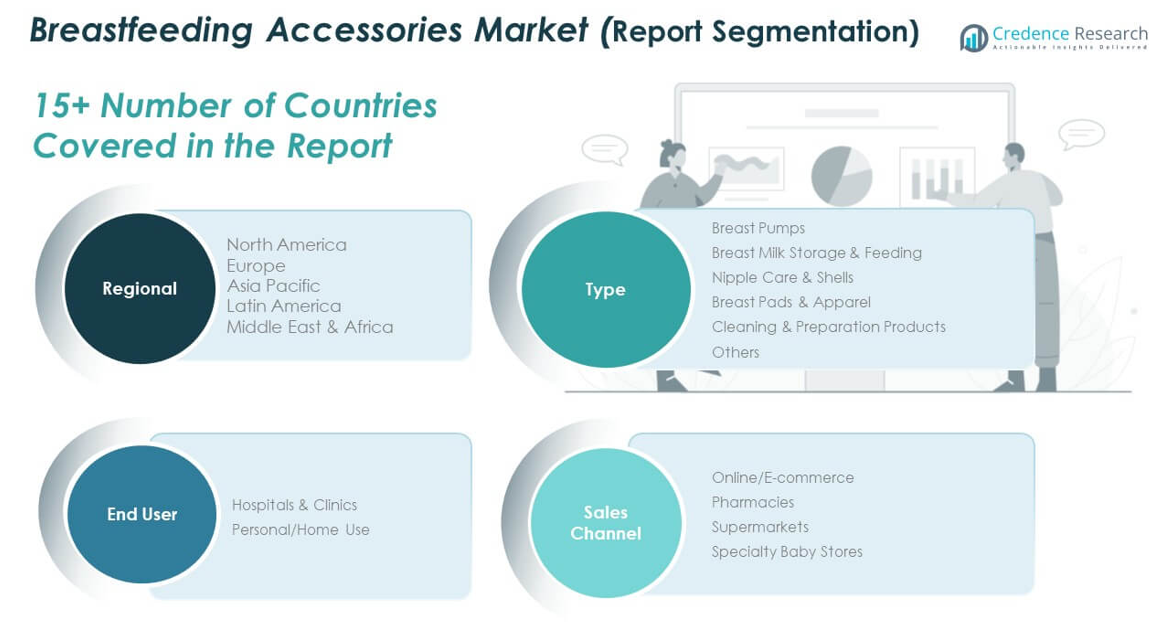
By Media Type
- Activated Carbon
- Cellulose
- Perlite
- Diatomaceous Earth
By Product Type
- Cartridge Depth Filters
- Capsule Depth Filters
- Sheets Depth Filter
- Other Depth Filters
By Application
- Pharmaceutical and Biotechnology
- Food and Beverage Industries
- Chemical Industries
- Cosmetics Industries
- Others
By Region
- North America
- U.S.
- Canada
- Mexico
- Europe
- UK
- France
- Germany
- Italy
- Spain
- Russia
- Rest of Europe
- Asia Pacific
- China
- Japan
- South Korea
- India
- Australia
- Southeast Asia
- Rest of Asia Pacific
- Latin America
- Brazil
- Argentina
- Rest of Latin America
- Middle East
- GCC Countries
- Israel
- Turkey
- Rest of Middle East
- Africa
- South Africa
- Egypt
- Rest of Africa
Regional Analysis:
North America
The North America Depth Filtration Market size was valued at USD 577.29 million in 2018, reached USD 1,000.25 million in 2024, and is anticipated to reach USD 1,855.87 million by 2032, at a CAGR of 8.0% during the forecast period. North America holds the largest share of the Global Depth Filtration Market, accounting for approximately 33.5% of global revenue. This dominance is supported by a mature biopharmaceutical industry, strong R&D infrastructure, and strict regulatory compliance requirements. The United States leads regional demand due to its advanced healthcare system and growing production of biologics. High adoption of single-use systems and continuous processing technologies supports filter innovation and volume consumption. The region also emphasizes industrial wastewater management, creating opportunities in chemical and environmental applications.
Europe
The Europe Depth Filtration Market size was valued at USD 368.61 million in 2018, rose to USD 673.95 million in 2024, and is projected to reach USD 1,341.32 million by 2032, growing at a CAGR of 8.9%. Europe contributes about 23% of the Global Depth Filtration Market, driven by strong pharmaceutical manufacturing in Germany, France, and the UK. Regulatory mandates on food safety, cleanroom production, and environmental protection fuel demand for reliable filtration systems. The region supports product standardization and the integration of filtration in advanced manufacturing. Adoption is also high in wine and beer production, where depth filters maintain product clarity and taste consistency. Investments in biotechnology hubs across Western and Northern Europe further drive long-term demand.
Asia Pacific
The Asia Pacific Depth Filtration Market size was valued at USD 449.17 million in 2018, reached USD 798.19 million in 2024, and is estimated to reach USD 1,532.30 million by 2032, at a CAGR of 8.4%. Asia Pacific holds around 27% of the Global Depth Filtration Market, with China, India, and Japan leading regional adoption. Strong growth in pharmaceutical production, expanding food and beverage industries, and rising investments in water treatment infrastructure drive demand. Governments are tightening environmental regulations, which elevates the role of depth filtration in industrial waste management. The region benefits from rapid urbanization and population growth, pushing up filtration needs in public health and consumer goods sectors. Local manufacturing and cost-effective product offerings strengthen regional market competitiveness.
Latin America
The Latin America Depth Filtration Market size was valued at USD 171.10 million in 2018, increased to USD 287.43 million in 2024, and is projected to reach USD 510.01 million by 2032, growing at a CAGR of 7.4%. Latin America contributes approximately 9% to the Global Depth Filtration Market. Brazil and Mexico are the major contributors, driven by their pharmaceutical, food processing, and brewing industries. The region shows growing awareness of clean-label production and industrial water reuse. Demand for economical and reliable filtration technologies is rising in mid-sized manufacturing units. It benefits from increasing foreign investments in infrastructure and healthcare sectors, which fuel filter system upgrades across applications.
Middle East
The Middle East Depth Filtration Market size was valued at USD 91.39 million in 2018, reached USD 166.47 million in 2024, and is expected to grow to USD 329.81 million by 2032, at a CAGR of 8.9%. The region represents around 5.8% of the Global Depth Filtration Market, supported by demand in water desalination, petrochemicals, and pharmaceutical imports. Countries like the UAE and Saudi Arabia focus on food security and clean water initiatives, which increase filtration deployment. Growth in cosmetic manufacturing and halal food processing also contributes to the rising need for contamination-free production. It plays a critical role in addressing environmental challenges, including water scarcity and industrial pollution.
Africa
The Africa Depth Filtration Market size was valued at USD 34.86 million in 2018, rose to USD 57.11 million in 2024, and is forecasted to reach USD 97.47 million by 2032, growing at a CAGR of 6.9%. Africa holds about 1.7% of the Global Depth Filtration Market, representing an emerging opportunity zone. South Africa, Egypt, and Nigeria are key contributors due to growing healthcare access and industrialization. The market is expanding through the food, beverage, and pharmaceutical sectors, where filtration supports product quality and safety. Infrastructure development and donor-funded water projects increase demand for basic but efficient filtration systems. It remains price-sensitive, encouraging partnerships and low-cost product innovations.
Key Player Analysis:
- Amazon Filters Ltd.
- Carl Stuart Group
- Eager Corporation
- Eaton Corporation PLC
- ErtelAlsop
- Fileder Filter Systems Ltd
- GE Water and Process Technologies
- Graver Technologies, LLC
- Hangzhou Anow Microfiltration Co. Ltd.
- Merck KGaA
- Other Key Players
Competitive Analysis:
The Global Depth Filtration Market is moderately competitive, with key players focusing on technological innovation, product differentiation, and strategic expansion. Leading companies such as Merck KGaA, Eaton Corporation PLC, Amazon Filters Ltd., and GE Water and Process Technologies dominate through broad product portfolios and global distribution networks. It features a mix of multinational corporations and specialized regional players that compete on performance, customization, and pricing. Companies invest in R&D to develop multi-layered media, sustainable filter materials, and single-use systems to meet evolving industry standards. Strategic mergers, acquisitions, and partnerships help expand geographic reach and manufacturing capabilities. The market also sees rising competition from emerging players in Asia-Pacific offering cost-effective alternatives. It continues to evolve with increasing demand from biopharmaceutical, food, and water treatment industries, requiring suppliers to balance innovation with operational efficiency. Competitive positioning depends on product reliability, regulatory compliance, and value-added service offerings.
Recent Developments:
- In June 2025, Eaton Corporation PLCintroduced its BECO® Helix depth filter cartridges, a major innovation in liquid filtration technology. These cartridges feature a unique helix wrapping of pleated polypropylene fleece layers, delivering a double depth filtration effect, significantly higher particle-holding capacity, and more than 40% longer service life compared to standard pleated depth filter cartridges. The BECO Helix cartridges provide a filter area of 0.7 square meters per 10-inch element, are available with retention rates from 0.6 to 10.0 microns, and offer a retention efficiency of ≥99.98%. They are designed for applications requiring robust backwashing, Clean-in-Place (CIP), and Sterilize-in-Place (SIP) capabilities, making them suitable for food, beverage, cosmetics, and fine chemical industries.
- In May 2025, Amazon Filters Ltd.showcased its latest pharmaceutical filtration solutions at INTERPHEX 2025 in New York. The company highlighted innovations in process filters, sanitary housings, and customized filtration solutions, emphasizing their critical role in API manufacturing, sterile products, and utilities for pharmaceutical production. Among the featured products were the SupaSpun II absolute-rated depth filter and the SupaClean system, which isolates filters inside a secure bag assembly for safe catalyst recovery in API synthesis. The company also presented the 76B single-cartridge housing, engineered for a 0.4µm RA crevice-free sanitary finish, ensuring easy cleaning and sterilization for high-potency pharmaceutical applications.
Market Concentration & Characteristics:
The Global Depth Filtration Market exhibits moderate market concentration, with a mix of established multinational players and regional specialists shaping the competitive landscape. It is characterized by strong demand across pharmaceutical, food and beverage, chemical, and environmental sectors, where regulatory compliance and filtration precision are critical. The market shows high product differentiation based on media type, flow capacity, and end-use compatibility. It favors suppliers that offer scalable, single-use, and high-efficiency systems aligned with current manufacturing trends. Technological innovation, material sustainability, and cost-efficiency define product development priorities. Customer loyalty and long-term contracts are common due to the technical nature of filtration solutions and validation requirements. The market continues to expand steadily, supported by growing industrial output and rising global standards for product purity and safety.
Report Coverage:
The research report offers an in-depth analysis based on by media type, product type, and application. It details leading market players, providing an overview of their business, product offerings, investments, revenue streams, and key applications. Additionally, the report includes insights into the competitive environment, SWOT analysis, current market trends, as well as the primary drivers and constraints. Furthermore, it discusses various factors that have driven market expansion in recent years. The report also explores market dynamics, regulatory scenarios, and technological advancements that are shaping the industry. It assesses the impact of external factors and global economic changes on market growth. Lastly, it provides strategic recommendations for new entrants and established companies to navigate the complexities of the market.
Future Outlook:
- Demand for single-use depth filtration systems will rise with the growth of biologics and cell-based therapies.
- Manufacturers will focus on developing sustainable, recyclable filter media to meet environmental standards.
- Automation and smart monitoring technologies will become standard in industrial filtration setups.
- Emerging economies will contribute significantly to new installations, driven by industrialization and healthcare expansion.
- Custom-engineered filters tailored for niche applications such as battery fluids and specialty chemicals will gain traction.
- Food and beverage manufacturers will adopt advanced depth filtration to meet clean-label and preservative-free product demands.
- Strategic partnerships between filter manufacturers and biopharma companies will shape product innovation pipelines.
- Increasing regulatory enforcement on water and air quality will strengthen industrial demand for high-capacity filtration.
- Market players will invest in regional production to reduce lead times and support localized supply chains.
- The Global Depth Filtration Market will maintain steady growth, driven by cross-industry demand for purity, efficiency, and compliance.

Request a Free Sample
Fill in your details and we'll send you a free sample report.
- Sample data tables & charts
- Research methodology
Market Dynamics
Expansion of Biopharmaceutical and Pharmaceutical Manufacturing
The rapid growth in biologics, vaccines, and advanced therapeutics production is driving demand for depth filtration, which is essential for cell clarification, impurity removal, and viral filtration in GMP-compliant environments.
Stringent Regulatory Standards for Water and Environmental Purity
Governments and regulatory bodies are enforcing stricter standards for wastewater discharge, potable water, and industrial emissions, compelling industries to adopt advanced depth filtration systems to ensure compliance and environmental safety.
Rising Food and Beverage Industry Requirements
Producers in the food and beverage sector increasingly rely on depth filtration to achieve clarity, microbial safety, and product stability, especially as consumer demand for clean-label and preservative-free products grows.
Technological Advancements in Filter Media and Equipment
Innovations such as multi-layer filter media, improved materials like cellulose and perlite, and integration of automation and smart monitoring are enhancing filtration efficiency, operational lifespan, and process scalability, making depth filtration more attractive across industries.
Adoption of Single-Use and Modular Filtration Systems
The shift toward single-use and modular depth filtration solutions in pharmaceutical and biotech manufacturing reduces cross-contamination risks, shortens turnaround times, and supports flexible, small-batch production, fueling market growth.
Need a Custom Version of This Report?
Tailor the scope, geography, or segments to your exact requirements.
- Custom geography or segment scope
- Direct access to our analyst team
Frequently Asked Questions
What is the current size of the Global Depth Filtration Market?
What are the key segments within the Global Depth Filtration Market?
What are some challenges faced by the Global Depth Filtration Market?
Who are the major players in the Global Depth Filtration Market?
Table of Content
Chapter 1 Market Segmentation
- 1.1 Segmentation Framework
- 1.1.1 Product and Service Classification
- 1.1.2 Application and End-Use Classification
- 1.1.3 Technology and Solution Classification
- 1.1.4 Customer and Distribution Channel Classification
- 1.1.5 Geographic Segmentation
- 1.1.6 Market Segment Definitions and Boundaries
- 1.2 By Media Type
- 1.2.1 Activated Carbon
- 1.2.2 Cellulose
- 1.2.3 Perlite
- 1.2.4 Diatomaceous Earth
- 1.3 By Application
- 1.3.1 Pharmaceutical and Biotechnology
- 1.3.2 Food and Beverage Industries
- 1.3.3 Chemical Industries
- 1.3.4 Cosmetics Industries
- 1.3.5 Others
- 1.4 By Product Type
- 1.4.1 Cartridge Depth Filters
- 1.4.2 Capsule Depth Filters
- 1.4.3 Sheets Depth Filter
- 1.4.4 Other Depth Filters
Chapter 2 Introduction
- 2.1 Report Objectives and Scope
- 2.2 Product Definition and Industry Terminology
- 2.3 Market Inclusions and Exclusions
- 2.4 Research Process
- 2.4.1 Primary Research and Expert Interviews
- 2.4.2 Secondary Research and Source Review
- 2.4.3 Top-Down and Bottom-Up Estimation
- 2.4.4 Data Triangulation and Verification
- 2.5 Market Size Measurement Basis
- 2.5.1 2024: USD 2,983.4 million → 2032: USD 5,666.8 million
- 2.6 Historical and Forecast Reference Periods
- 2.6.1 Base Year: 2024
- 2.6.2 Forecast Period: 2024-2032
- 2.7 Research Assumptions and Limitations
Chapter 3 Executive Summary
- 3.1 Market Snapshot and Key Findings
- 3.2 Base-Year Market Size, 2024
- 3.3 Forecast Market Size, 2032
- 3.4 Revenue and Volume Growth Outlook
- 3.5 Key Demand and Supply Indicators
- 3.6 Leading Market Segments
- 3.7 Fastest-Growing Market Opportunities
- 3.8 Regional Performance Highlights
- 3.9 Technology and Industry Transformation
- 3.10 Competitive Landscape Summary
- 3.11 Analyst View and Strategic Implications
Chapter 4 Global Depth Filtration Market Trends and Developments
- 4.1 Historical Industry Development
- 4.2 Recent Market Trends and Developments
- 4.3 Demand and Customer Behavior Trends
- 4.4 Technology and Product Innovation
- 4.5 Artificial Intelligence, Automation and Digitalization
- 4.6 Local Manufacturing and Supply Chain Realignment
- 4.7 Industry Partnerships, Mergers and Acquisitions
- 4.8 Sustainability and Circular Economy Developments
- 4.9 Government and Private Sector Investment Trends
- 4.10 Emerging Business Models and Commercialization
- 4.11 Industry Developments and Announcements
Chapter 5 Global Depth Filtration Market Production, Supply and Demand Analysis
- 5.1 Demand Trend and Consumption Analysis
- 5.2 Demand Forecast, 2024-2032
- 5.3 Production and Output Trend
- 5.4 Production and Output Forecast, 2024-2032
- 5.5 Installed Capacity and Capacity Utilization
- 5.6 Company-Wise Production Plants and Statistics
- 5.6.1 Installed Production Capacity
- 5.6.2 Actual Production
- 5.6.3 Planned Capacity and Expansion Targets
- 5.7 Supply Chain Structure and Procurement Trends
- 5.8 Supply-Demand Gap and Bottlenecks
- 5.9 Import Dependence and Sourcing Structure
- 5.10 Contract Manufacturing and Outsourcing
- 5.11 Regional Supply and Demand Concentration
Chapter 6 Global Depth Filtration Market Pricing Analysis
- 6.1 Pricing Structure and Measurement
- 6.2 Historical Pricing Trends
- 6.3 Pricing Outlook, 2024-2032
- 6.4 Average Selling Price and Unit Economics
- 6.5 Pricing by Product and Market Segment
- 6.6 Geographic Pricing Differences
- 6.7 Key Input, Energy, Labor and Logistics Costs
- 6.8 Contract Pricing and Purchasing Models
- 6.9 Pricing Sensitivity and Competitive Positioning
- 6.10 Price, Margin and Profitability Implications
Chapter 7 Global Depth Filtration Market Dynamics
- 7.1 Market Growth Drivers
- 7.1.1 Demand-Side Drivers
- 7.1.2 Technology and Innovation Drivers
- 7.1.3 Infrastructure and Investment Drivers
- 7.1.4 Regulatory and Policy Drivers
- 7.2 Market Restraints
- 7.2.1 Cost and Affordability Constraints
- 7.2.2 Technology and Adoption Barriers
- 7.2.3 Supply Chain and Operational Constraints
- 7.3 Market Challenges
- 7.3.1 Competitive Pressure and Margin Erosion
- 7.3.2 Skills, Infrastructure and Implementation Gaps
- 7.4 Emerging Market Opportunities
- 7.5 Market Dynamics Impact and Time-Horizon Assessment
Chapter 8 Global Depth Filtration Value Chain Analysis
- 8.1 Industry Value Chain Overview
- 8.2 Upstream Suppliers and Critical Inputs
- 8.3 Technology and Component Providers
- 8.4 Manufacturing or Service Delivery
- 8.5 Distribution, Channel Partners and Integrators
- 8.6 Downstream Applications and End Users
- 8.7 Value Addition and Profit Pools
- 8.8 Vertical Integration and Outsourcing
- 8.9 Supplier Concentration and Risk
- 8.10 Supply Chain Localization and Resilience
Chapter 9 Global Depth Filtration Market Regulations and Policies
- 9.1 Relevant Laws, Standards and Compliance Frameworks
- 9.2 Product, Service, Safety and Quality Requirements
- 9.3 Government Policies, Incentives and Subsidies
- 9.4 Imports, Exports and Trade Barriers
- 9.5 Public Procurement and Local Content Requirements
- 9.6 Environmental and Sustainability Compliance
- 9.7 Upcoming Policy Changes and Market Implications
Chapter 10 Global Depth Filtration Market Hotspots and Opportunities
- 10.1 Market Opportunity Mapping and Growth Hotspots
- 10.2 High-Growth Applications and Customer Groups
- 10.3 Underserved Markets and White-Space Opportunities
- 10.4 Emerging Technology and Product Opportunities
- 10.5 New Capacity and Investment Hotspots
- 10.6 Market Entry and Expansion Opportunities
- 10.7 Distribution and Partnership Opportunities
- 10.8 Near-Term and Long-Term Commercial Potential
- 10.9 Opportunity Attractiveness and Execution Risks
Chapter 11 Global Depth Filtration Market Outlook, 2024-2032
- 11.1 Market Size and Analysis
- 11.1.1 Revenue (Market Measurement: 2024: USD 2,983.4 million → 2032: USD 5,666.8 million)
- 11.1.2 Market Volume and Quantity Sold
- 11.1.3 Historical Market Size
- 11.1.4 Base-Year Market Size, 2024
- 11.2 Market Forecast, 2024-2032
- 11.2.1 Revenue Forecast to 2032
- 11.2.2 Volume Forecast to 2032
- 11.2.3 CAGR and Year-on-Year Growth
- 11.2.4 Incremental Revenue Opportunity
- 11.3 Forecast Assumptions and Scenario Analysis
- 11.3.1 Base-Case Forecast
- 11.3.2 Optimistic and Conservative Scenarios
- 11.3.3 Technology, Pricing and Policy Sensitivities
- 11.4 Market Attractiveness and Growth Outlook
Chapter 12 Global Depth Filtration Market Segmentation and Outlook
- 12.1 Segmentation Summary and Market Shares, 2024
- 12.2 Largest and Fastest-Growing Segments
- 12.3 By Media Type - Market Size and Forecast, 2024-2032
- 12.3.1 Segment Definition and Scope
- 12.3.2 Historical Market Size
- 12.3.3 Revenue Forecast, 2024-2032
- 12.3.4 Volume Forecast, 2024-2032
- 12.3.5 Base-Year Market Share, 2024
- 12.3.6 Segment CAGR and Growth Drivers
- 12.3.7 Subsegment Market Size and Forecast
- 12.3.7.1 Activated Carbon
- 12.3.7.2 Cellulose
- 12.3.7.3 Perlite
- 12.3.7.4 Diatomaceous Earth
- 12.3.8 Subsegment Pricing and Adoption Trends
- 12.3.9 Leading Suppliers and Competition
- 12.3.10 Regional Demand and Opportunities
- 12.4 By Application - Market Size and Forecast, 2024-2032
- 12.4.1 Segment Definition and Scope
- 12.4.2 Historical Market Size
- 12.4.3 Revenue Forecast, 2024-2032
- 12.4.4 Volume Forecast, 2024-2032
- 12.4.5 Base-Year Market Share, 2024
- 12.4.6 Segment CAGR and Growth Drivers
- 12.4.7 Subsegment Market Size and Forecast
- 12.4.7.1 Pharmaceutical and Biotechnology
- 12.4.7.2 Food and Beverage Industries
- 12.4.7.3 Chemical Industries
- 12.4.7.4 Cosmetics Industries
- 12.4.7.5 Others
- 12.4.8 Subsegment Pricing and Adoption Trends
- 12.4.9 Leading Suppliers and Competition
- 12.4.10 Regional Demand and Opportunities
- 12.5 By Product Type - Market Size and Forecast, 2024-2032
- 12.5.1 Segment Definition and Scope
- 12.5.2 Historical Market Size
- 12.5.3 Revenue Forecast, 2024-2032
- 12.5.4 Volume Forecast, 2024-2032
- 12.5.5 Base-Year Market Share, 2024
- 12.5.6 Segment CAGR and Growth Drivers
- 12.5.7 Subsegment Market Size and Forecast
- 12.5.7.1 Cartridge Depth Filters
- 12.5.7.2 Capsule Depth Filters
- 12.5.7.3 Sheets Depth Filter
- 12.5.7.4 Other Depth Filters
- 12.5.8 Subsegment Pricing and Adoption Trends
- 12.5.9 Leading Suppliers and Competition
- 12.5.10 Regional Demand and Opportunities
- 12.6 Segment Growth Comparison
- 12.7 Segment Attractiveness and Priority Matrix
Chapter 13 Global Depth Filtration End-Use and Application Market Outlook
- 13.1 End-Use Industry and Customer Demand Structure
- 13.2 Leading Applications and Customer Groups
- 13.3 End-Use Market Size, Share and Forecast
- 13.4 Major End-Use Industry Deep Dives
- 13.4.1 Customer Requirements and Use Cases
- 13.4.2 Demand and Replacement Cycles
- 13.4.3 Technical and Regulatory Considerations
- 13.4.4 Purchasing and Procurement Models
- 13.4.5 Leading Vendors and Distribution Channels
- 13.4.6 Forecast and Commercial Opportunities
- 13.5 Emerging Applications and Cross-Segment Demand
- 13.6 End-Use Industry Investment Priorities
Chapter 14 Global Depth Filtration Geographic Market Outlook, 2024-2032
- 14.1 Regional Market Size and Share, 2024
- 14.2 Regional Market Forecast, 2024-2032
- 14.3 Regional Pricing, Production and Demand Differences
- 14.4 North America
- 14.4.1 United States
- 14.4.2 Canada
- 14.4.3 Mexico
- 14.5 Europe
- 14.5.1 Germany
- 14.5.2 France
- 14.5.3 Italy
- 14.5.4 United Kingdom
- 14.5.5 Spain
- 14.5.6 Poland
- 14.5.7 Russia
- 14.5.8 Netherlands
- 14.5.9 Belgium
- 14.5.10 Sweden
- 14.5.11 Denmark
- 14.5.12 Norway
- 14.5.13 Rest of Europe
- 14.6 Asia Pacific
- 14.6.1 China
- 14.6.2 India
- 14.6.3 Japan
- 14.6.4 South Korea
- 14.6.5 Thailand
- 14.6.6 Indonesia
- 14.6.7 Vietnam
- 14.6.8 Malaysia
- 14.6.9 Australia
- 14.6.10 Rest of Asia Pacific
- 14.7 Latin America
- 14.7.1 Brazil
- 14.7.2 Argentina
- 14.7.3 Colombia
- 14.7.4 Chile
- 14.7.5 Rest of Latin America
- 14.8 Middle East
- 14.8.1 Saudi Arabia
- 14.8.2 United Arab Emirates
- 14.8.3 Turkey
- 14.8.4 Israel
- 14.8.5 Iran
- 14.8.6 Rest of the Middle East
- 14.9 Africa
- 14.9.1 South Africa
- 14.9.2 Egypt
- 14.9.3 Nigeria
- 14.9.4 Morocco
- 14.9.5 Rest of Africa
- 14.10 Regional Investment, Policy and Supply Chain Differences
- 14.11 Regional Competitive Landscape
- 14.12 Geographic Growth Hotspots
Chapter 15 Global Depth Filtration Technology, Innovation and Sustainability Outlook
- 15.1 Technology Landscape and Maturity
- 15.2 Product, Process and Service Innovation
- 15.3 AI, Automation and Digital Tools in the Industry
- 15.4 Technology Adoption and Performance Benchmarking
- 15.5 Innovation Pipeline and R&D Investment
- 15.6 Patent and Intellectual Property Trends
- 15.7 Energy Efficiency and Resource Management
- 15.8 Sustainability, Recycling and Circularity
- 15.9 Technology Roadmap, 2024-2032
- 15.10 Risks of Obsolescence and Technology Substitution
Chapter 16 Global Depth Filtration Market Key Strategic Imperatives
- 16.1 Growth and Market Entry Priorities
- 16.2 High-Return Products and Segments
- 16.3 Pricing, Profitability and Cost Optimization
- 16.4 Technology Investment and Product Differentiation
- 16.5 Supply Chain Localization and Resilience
- 16.6 Distribution and Customer Acquisition
- 16.7 Partnership, Acquisition and Capacity Strategy
- 16.8 Regional Expansion Priorities
- 16.9 Short-, Medium- and Long-Term Actions
Chapter 17 Competition Outlook
- 17.1 Industry Competition Characteristics
- 17.2 Market Structure and Concentration
- 17.3 Market Share and Competitive Positioning, 2024
- 17.4 Company-Wise Revenue and Product Benchmarking
- 17.5 Production and Service Capacity Benchmarking
- 17.6 Technology, Pricing and Differentiation
- 17.7 Regional Footprint and Distribution Strength
- 17.8 Mergers, Acquisitions and Strategic Alliances
- 17.9 New Entrants and Competitive Threats
- 17.10 Porter's Five Forces and Industry Attractiveness
- 17.11 Competitive Outlook, 2024-2032
Chapter 18 Company Profiles
- 18.1 Company Coverage and Selection Criteria
- 18.2 Merck KGaA
- 18.2.1 Business Description
- 18.2.2 Company Ownership and Geographic Presence
- 18.2.3 Product and Service Portfolio
- 18.2.4 Manufacturing and Operating Footprint
- 18.2.5 Production Capacity and Expansion Plans
- 18.2.6 Financial Performance and Investment
- 18.2.7 Market Share and Competitive Position
- 18.2.8 Technology and Innovation Capabilities
- 18.2.9 Strategic Alliances or Partnerships
- 18.2.10 Recent Developments
- 18.2.11 Growth Strategy and Outlook
- 18.3 Eaton Corporation PLC
- 18.4 Amazon Filters Ltd.
- 18.5 GE Water and Process Technologies
- 18.6 3M Company
- 18.7 Pall Corporation
- 18.8 ErtelAlsop
- 18.9 Graver Technologies, LLC
- 18.10 Hangzhou Anow Microfiltration Co. Ltd.
- 18.11 Fileder Filter Systems Ltd
- 18.12 Other Relevant Market Participants
Note: Every listed company is profiled on the structure shown under the first company. The company list is preliminary and may change based on research findings, market developments, data availability and client requirements.
Chapter 19 Disclaimer
- 19.1 Research and Forecast Disclaimer
- 19.2 Data Source and Estimation Limitations
Note: The depth of individual sections depends on data availability for this market. Volume, capacity, trade and other unit-based metrics are included where applicable.