
NVIDIA Board Reinstates Jensen Huang as CEO 11 Days After His Resignation
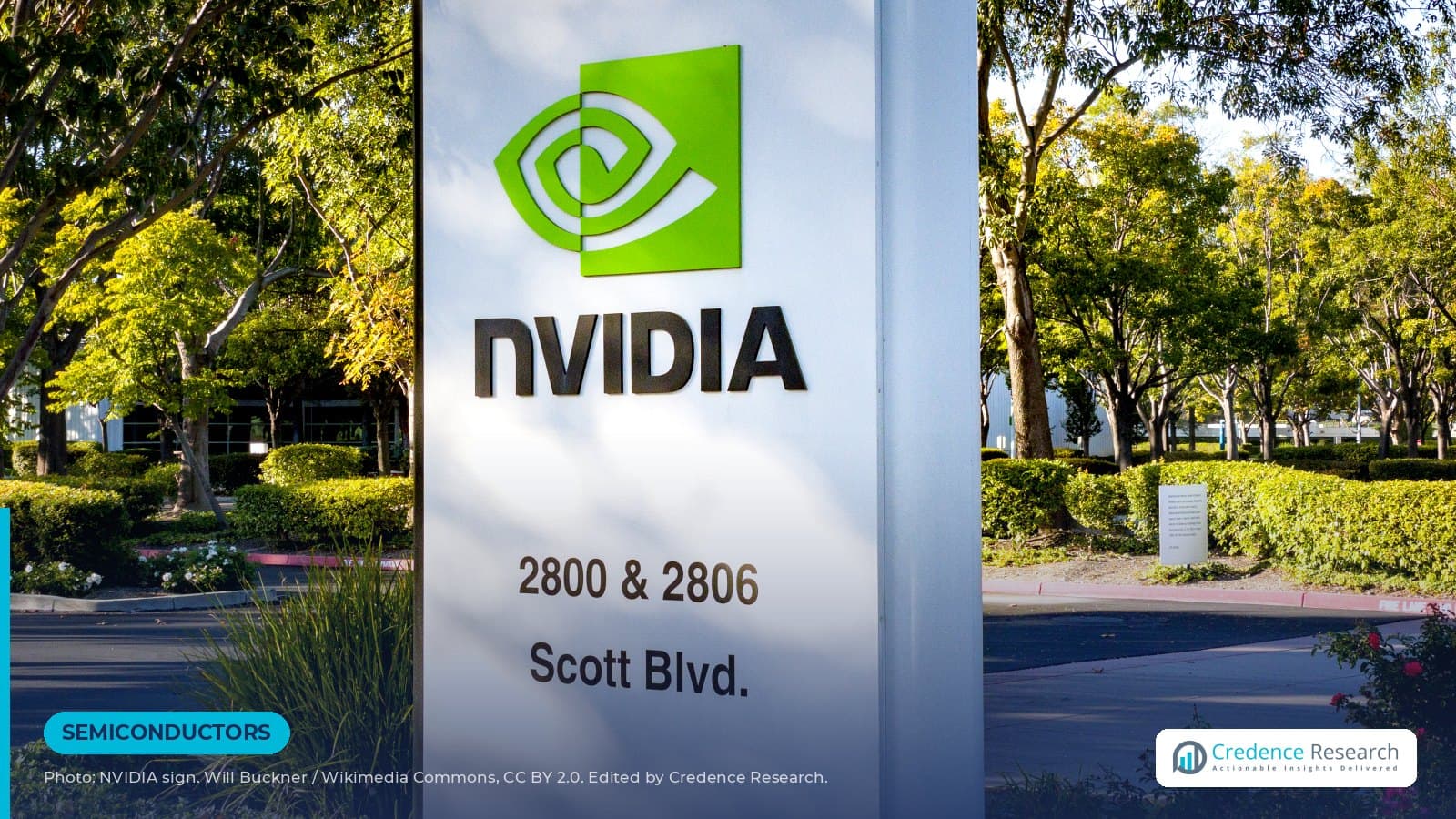
NVIDIA's board of directors on Nov. 23, 2026, unanimously reinstated Jensen Huang as president, chief executive officer and board member of the Santa Clara, California, chipmaker, effective immediately. The decision reverses a leadership change made 11 days earlier, when Huang resigned all three roles and Chief Financial Officer Colette Kress took over as interim CEO. Harvey C. Jones remains chair of the board, and Kress continues as CFO.
Key developments
- The board voted unanimously to return Huang to the roles of president, CEO and director, effective immediately, after what the company described as a series of discussions and meetings with him.
- NVIDIA said the board received input from senior levels of the U.S. government and is confident the reinstatement poses no national security risk. The company said it will keep cooperating with ongoing government investigations and inquiries.
- Harvey C. Jones, a former CEO and executive chairman of Synopsys who became NVIDIA's first-ever board chair on Nov. 12, stays in that role. Colette Kress, CFO since September 2013, steps back from the interim CEO post.
- Two board committees formed after the resignation remain in place: an independent-director committee working with independent counsel to investigate a reported foreign intelligence effort targeting Huang, and a National Security and Export Control Committee.
- NVIDIA is searching for a new chief compliance officer who will report to the board's Nominating and Corporate Governance Committee.
How the leadership crisis unfolded
On Nov. 12, NVIDIA announced that Huang, who co-founded the company in 1993 and had led it ever since, had resigned as president, CEO and director with immediate effect. The company gave no reason in its release. It named Kress interim CEO while she kept her finance duties, appointed Jones as the company's first independent board chair and said it would consider internal and external candidates for a permanent chief executive. NVIDIA said at the time that operations, customer commitments and the product roadmap would continue without interruption.
The Associated Press reported that Huang stepped down after reports of a personal relationship with a woman suspected of links to Chinese intelligence, and that the board had shortly before rejected an offer from Huang to return. Neither NVIDIA release describes the underlying allegations, and no finding on them has been made public. The company did report quarterly results under interim leadership on Nov. 17, posting revenue of $115.8 billion for the third quarter of fiscal 2027, with $107.6 billion from its Data Center segment, as volume shipments of Vera Rubin NVL72 systems began.
In the Nov. 23 release, Jones said the board believes Huang is the right person to lead the company and thanked Kress for her service as interim CEO. Huang said he was honored to return and thanked the board, Kress, employees, shareholders and his family. The AP reported that President Donald Trump said the U.S. government has no reason to believe Huang's return poses a national security risk, and Bloomberg characterized the reinstatement as following a push by Trump.
Industry implications
NVIDIA supplies the accelerated computing platforms behind most large AI training and inference build-outs, so its leadership is closely watched by cloud providers, AI developers and sovereign AI programs. Huang has been the public face of the company's product roadmap, from Blackwell to Vera Rubin, and of its partnerships with hyperscalers, server makers and governments. His return removes the uncertainty of a CEO search at a time when customers are placing multiyear orders for systems, networking and data center infrastructure.
The reinstatement also arrives with new oversight structures attached. A board chair separate from the CEO, a dedicated national security and export control committee and a new compliance chief reporting to the board represent a more formal governance model than NVIDIA operated under during most of its rapid expansion. For enterprise and government buyers that assess vendor risk, those structures will matter as much as the leadership decision itself.
The episode underlines how closely semiconductor leadership now intersects with national security policy. The company's own statement that it sought government input before acting, and that investigations are continuing, signals that export control and security considerations are now part of executive succession decisions at the largest U.S. chip designers.
Competitive and supply chain implications
Rivals in AI accelerators, including AMD, Intel and the custom chip programs run by cloud providers, had an opening to court customers during a period of leadership uncertainty at NVIDIA. That window narrows with Huang back in charge less than two weeks after his departure. Customers evaluating supplier concentration may still use the episode to argue for multi-vendor strategies, but continuity at the top reduces near-term pressure to shift orders.
Upstream, NVIDIA's suppliers depend on stable commitments for advanced packaging, substrates and high-bandwidth memory. Foundry, packaging and memory partners have announced capacity expansions tied to NVIDIA demand in recent weeks, and a steady leadership team helps keep those investment plans and allocation discussions on track.
Regional implications
In the United States, the reinstatement keeps a central figure in the domestic AI and semiconductor strategy in place while federal inquiries continue. The new National Security and Export Control Committee will oversee an area where U.S. rules on advanced chip sales to China and other markets shape NVIDIA's product portfolio and customer base.
In Asia, where NVIDIA relies on Taiwan for leading-edge manufacturing and advanced packaging and on South Korea for high-bandwidth memory, partners will watch for any change to roadmaps or supply agreements; none was announced. In Europe and the Middle East, governments funding national AI infrastructure with NVIDIA platforms gain continuity in their main supplier relationship, though the open investigations mean due diligence questions are likely to persist.
Credence Research analysis
The speed of the reversal is the central fact. A board that named its first independent chair, opened an investigation and began a CEO search on Nov. 12 concluded within 11 days that the founder should return. The board's explicit reference to government input, alongside an ongoing independent investigation, shows that it judged the cost of a prolonged leadership gap at the world's most important AI chip supplier to be higher than the risk of reinstating Huang before inquiries close.
The governance changes are likely to outlast the crisis. A separate chair, a security-focused board committee and a compliance officer reporting to the board create checks that did not exist a month ago, and they give customers and regulators formal channels for oversight. The key risks now sit with the outcome of the independent and government investigations. Any adverse finding would reopen the leadership question, while a clean conclusion would leave NVIDIA with stronger governance and the same chief executive.
What comes next
- Results of the independent-director committee's investigation, conducted with independent counsel, into the reported foreign intelligence effort targeting Huang.
- Progress or conclusions in the ongoing government investigations and inquiries that NVIDIA says it will continue to cooperate with.
- Appointment of a new chief compliance officer reporting to the Nominating and Corporate Governance Committee.
- Any SEC filings detailing Huang's employment terms or further board changes following the reinstatement.
- Continued Vera Rubin NVL72 volume shipments and customer deployments under the restored leadership team.
Sources
- NVIDIA: NVIDIA Board Reinstates Jensen Huang as President, CEO and Board Director (Nov. 23, 2026)
- SEC: NVIDIA reinstatement press release filing
- SEC: NVIDIA Announces CEO Transition (Nov. 12, 2026)
- The Associated Press via Global News: Nvidia board reinstates Jensen Huang as CEO
Image: NVIDIA sign at the company's Scott Boulevard campus in Santa Clara, California, by Will Buckner via Wikimedia Commons, CC BY 2.0. Cropped and edited by Credence Research.

About the Author

Senior News Editor at Credence Research Inc