
FDA Approves Regeneron's Livsayis as First siRNA Therapy for Generalized Myasthenia Gravis
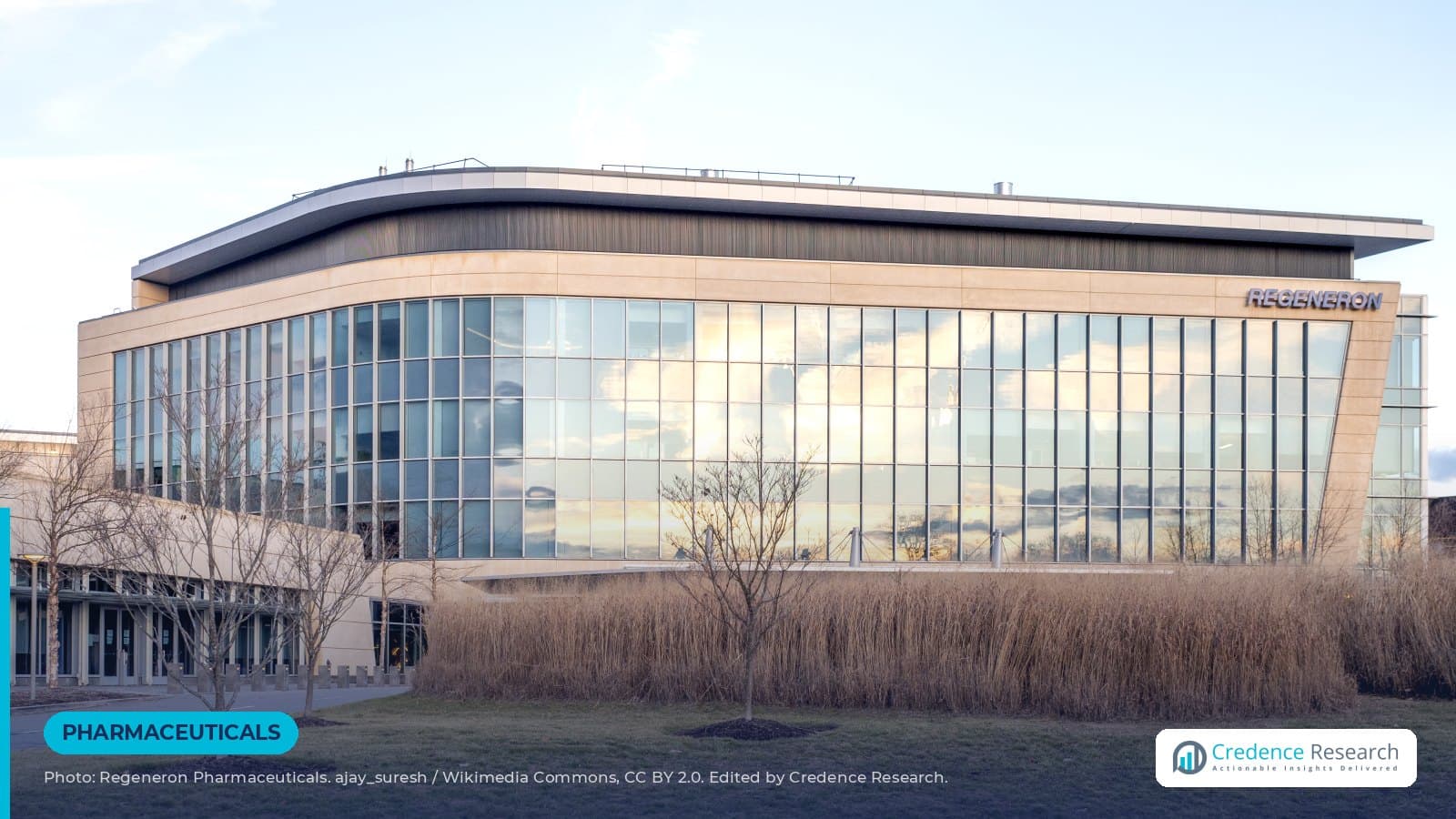
The U.S. Food and Drug Administration has approved Regeneron Pharmaceuticals' Livsayis (cemdisiran) for adults with generalized myasthenia gravis who test positive for anti-acetylcholine receptor antibodies, the company said on Nov. 18, 2026, from its headquarters in Tarrytown, New York. Livsayis is the first small interfering RNA (siRNA) therapy cleared for the disease and the only gMG treatment given as a subcutaneous injection four times a year. The approval is Regeneron's first for an siRNA medicine and its first in neurology, and it arrives in a crowded field where Alexion, UCB, argenx and Johnson & Johnson already compete for the same patients.
Key developments
- FDA approved Livsayis for adults with anti-AChR antibody-positive generalized myasthenia gravis (gMG), the predominant form of the disease. Safety and efficacy in children have not been established.
- The drug is dosed subcutaneously once every three months, a schedule Regeneron describes as the least frequent of any gMG therapy.
- In the Phase 3 NIMBLE trial, Livsayis improved the MG-ADL score by 4.5 points at week 24 versus 2.2 points for placebo, a placebo-adjusted gain of 2.3 points (p=0.0005). QMG scores improved 4.2 points versus 1.5 (p=0.0015).
- The label carries a boxed warning for serious meningococcal infections, and the drug is available only through a Risk Evaluation and Mitigation Strategy (REMS) program.
- A European Union decision is expected in the second half of 2027, and filings are planned in other markets, including Japan.
Disease and drug background
Generalized myasthenia gravis is a rare, chronic autoimmune disorder. In its most common form, antibodies against the acetylcholine receptor trigger the complement cascade, including the C5 protein, which damages the junction where nerves signal muscles. Patients experience fluctuating weakness that can affect swallowing, speech, vision and breathing, and severe flares can lead to myasthenic crisis and hospitalization. Regeneron cites an estimated 150 to 200 cases per million people worldwide and roughly 85,000 people living with MG in the United States.
Cemdisiran works upstream of existing C5 antibodies. Instead of binding the protein in the blood, the siRNA degrades the messenger RNA that liver cells use to make C5, lowering circulating levels and blocking terminal complement activation. Regeneron holds worldwide rights through a licensing agreement with Alnylam Pharmaceuticals and is solely responsible for development, manufacturing and commercialization. Financial terms of that arrangement were not disclosed in the approval announcement.
NIMBLE, which Regeneron calls the largest global interventional gMG trial conducted to date, randomized patients to cemdisiran 600 mg every 12 weeks, a combination of cemdisiran and the C5 antibody pozelimab every four weeks, or placebo, with background immunosuppressants allowed. Topline data released in August 2025 showed 76.6% of cemdisiran patients achieved at least a 3-point MG-ADL improvement, compared with 44.1% on placebo. Monotherapy outperformed the combination numerically on all gMG-specific measures. The FDA accepted the application under Priority Review in June 2026 after Regeneron redeemed a priority review voucher.
Industry implications
The approval extends RNA interference beyond the liver-centric rare diseases where it first gained traction and into a large autoimmune neurology indication. Because cemdisiran acts on hepatic production of a circulating protein, it fits the delivery strengths of current siRNA platforms while addressing a disease of the neuromuscular junction. That pairing is likely to draw attention from developers weighing siRNA approaches for other complement-driven conditions.
Dosing frequency is the clearest commercial lever. Existing C5 options include intravenous infusions such as Alexion's Soliris and Ultomiris and UCB's daily self-injected Zilbrysq. Neonatal Fc receptor (FcRn) blockers from argenx, UCB and Johnson & Johnson are typically given in cycles or at regular intervals. A quarterly subcutaneous shot offers patients and clinics a different trade-off between convenience and monitoring, although real-world uptake will depend on payer coverage and on how physicians weigh the REMS requirements.
Safety requirements will shape adoption. Like other terminal complement inhibitors, Livsayis requires meningococcal vaccination at least two weeks before the first dose, or antibiotic coverage if treatment must start sooner, plus prescriber enrollment in the REMS. The most common adverse reactions were injection site reactions, viral infections and urinary tract infections.
Competitive and supply chain implications
Regeneron enters gMG as a newcomer against companies that have spent years building neurology sales forces and patient support infrastructure. To offset that, it is launching its myRARE patient services program, which handles benefit verification and information on potential financial support. The company did not disclose launch timing or pricing, and its April 2026 drug pricing agreements with the U.S. government were referenced without detail on how they apply to Livsayis.
On the supply side, siRNA drugs are chemically synthesized oligonucleotides rather than cell-culture biologics. That gives Regeneron, best known for antibody manufacturing, a product with a different production profile, and it adds demand for oligonucleotide synthesis capacity, an area where contract manufacturers have been expanding. Low dosing frequency also means fewer units per patient per year, which can ease distribution and cold-chain logistics compared with infused therapies administered in clinics.
The NIMBLE results set a reference point for rivals. Regeneron's August 2025 release compared its 2.3-point placebo-adjusted MG-ADL gain with differences of 1.6 to 2.1 points reported for approved C5 inhibitors at 12 to 26 weeks, though such cross-trial comparisons carry well-known limitations.
Regional implications
The United States is the first market for Livsayis. Regeneron says the European Medicines Agency is reviewing the application, with a decision anticipated in the second half of 2027, and that a Japanese submission is planned.
In the U.S., the REMS framework and vaccination prerequisites mean early use will concentrate in neuromuscular centers already familiar with complement inhibitors. The Myasthenia Gravis Foundation of America, whose chief executive Samantha Masterson welcomed the approval as a positive milestone for the community, is likely to play a role in educating patients about the new option.
Credence Research analysis
Livsayis gives Regeneron a foothold in neurology through a modality it licensed rather than built, and the quarterly schedule is a meaningful point of differentiation in a market where most competitors require infusions, daily injections or periodic dosing cycles. The NIMBLE data show a consistent effect on both patient-reported and clinician-assessed scores, with improvement visible as early as two weeks. Regeneron President and Chief Scientific Officer George Yancopoulos framed the approval as an option for patients who need effective control without a heavy treatment burden, which is the core of the commercial argument.
The open questions are practical. The label limits use to AChR antibody-positive adults, the boxed warning mirrors other complement inhibitors, and two deaths from infection occurred in the open-label extension among patients also taking immunosuppressants, according to the 2025 topline release. Payer positioning against established C5 and FcRn options, and whether Regeneron advances the cemdisiran-pozelimab combination in other indications such as paroxysmal nocturnal hemoglobinuria, will determine how far this approval reshapes the field.
What comes next
- Regeneron to disclose U.S. launch timing and pricing details for Livsayis.
- European Commission decision on the cemdisiran application, expected in the second half of 2027.
- Regulatory submission in Japan, which Regeneron earlier said it planned for early 2027.
- Further NIMBLE data as the trial continues, including longer-term safety from the extension period.
- Progress of cemdisiran and the cemdisiran-pozelimab combination in paroxysmal nocturnal hemoglobinuria and geographic atrophy studies.
Sources
- Regeneron: Livsayis (cemdisiran) approved by the FDA (Nov. 18, 2026)
- Regeneron: Cemdisiran regulatory submissions accepted for review by FDA and EMA (June 22, 2026)
- Regeneron: Positive results from Phase 3 NIMBLE trial in generalized myasthenia gravis (Aug. 26, 2025)
Image: Regeneron Pharmaceuticals building, by ajay_suresh via Wikimedia Commons, CC BY 2.0. Cropped and edited by Credence Research.

About the Author

Senior News Editor at Credence Research Inc