
Honda to Invest $462 Million in Alabama Auto Plant, Adding V-6 Hybrid Engine Line and 200 Jobs
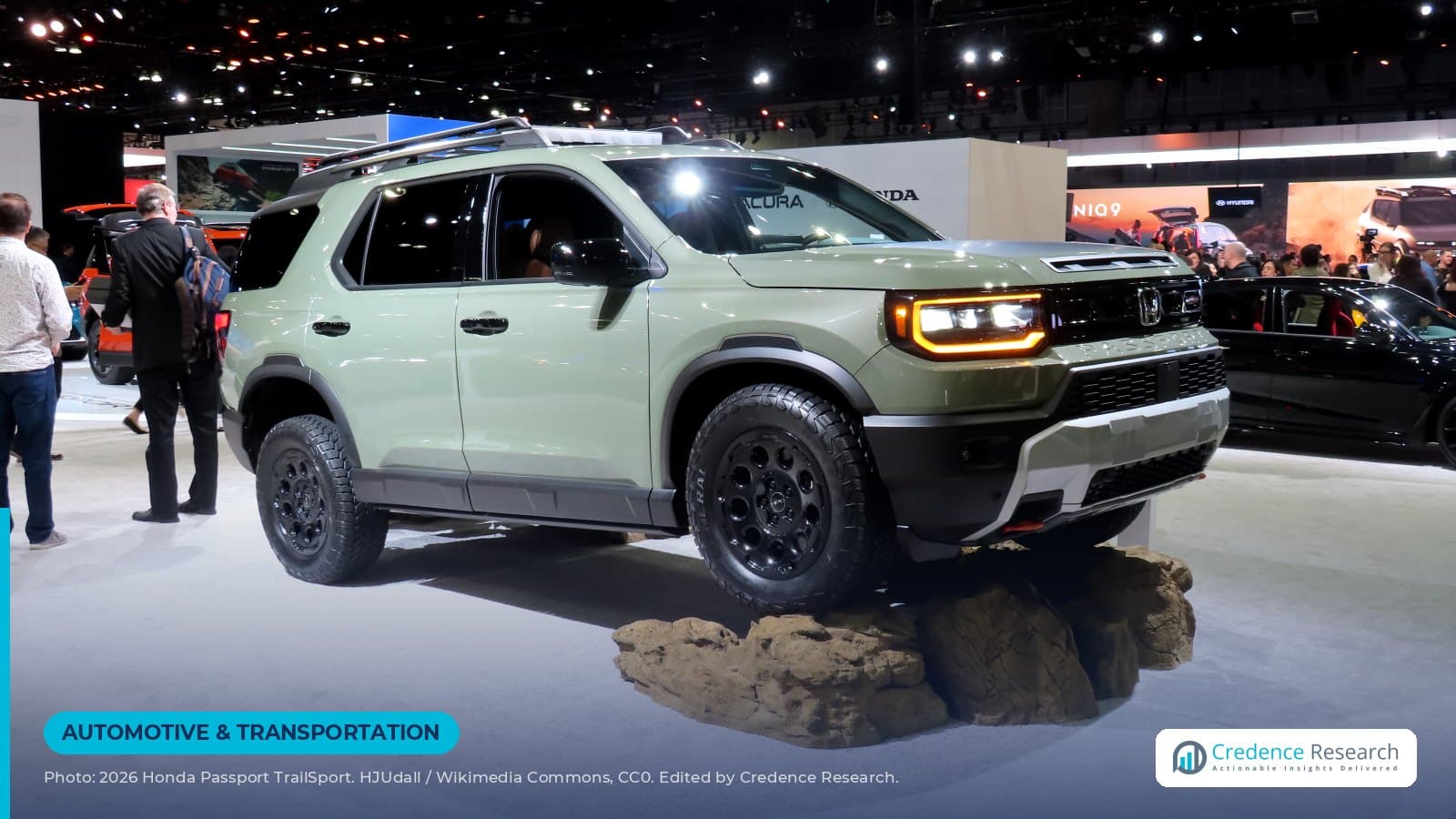
Honda Motor Co. will invest $462 million in its Alabama Auto Plant in Lincoln, Alabama, to add a V-6 hybrid engine assembly line, raise output of its highest-demand light trucks and let the factory build several models on the same line, the company said on Nov. 17, 2026. The project will create 200 jobs and coincides with the plant's 25th year of production, as the automaker turns the site that builds every Odyssey, Pilot, Passport and Ridgeline in the world into a core part of its U.S. hybrid push.
Key developments
- Honda is investing $462 million in the Alabama Auto Plant (AAP), creating 200 new jobs in the state.
- The money funds a new assembly line for a V-6 hybrid engine and gives the plant flexibility to produce multiple models on a single line.
- AAP has annual capacity of 340,000 vehicles and 340,000 engines and employs more than 5,000 associates, making it Honda's largest North American plant by employment and production volume.
- The plant is the exclusive global source of the Odyssey minivan, the Pilot and Passport SUVs and the Ridgeline pickup, including TrailSport versions.
- The Alabama figure puts a dollar value on one of the facility upgrades Honda outlined on Nov. 9 alongside a new $3 billion hybrid vehicle plant in Ohio.
Industry background
Honda's Alabama operation opened in late 2001, and the first Odyssey left the line on Nov. 14 of that year. Since then the plant has built more than 7 million vehicles and nearly 6.6 million V-6 engines, and Honda says it accounts for nearly 15% of all Honda and Acura vehicles produced in North America since it started. Total capital investment at the 4.9 million-square-foot site has reached $3.2 billion, according to the company. AAP is also the only Honda facility in the United States that builds both engines and vehicles at one location, which matters for a powertrain change of this kind.
The Nov. 17 announcement follows a broader plan Honda laid out on Nov. 9. That plan included a new $3 billion auto plant in Central Ohio, expected to start production in 2029 with capacity of 240,000 vehicles a year and more than 2,000 jobs, plus retooling at engine and transmission plants in Ohio and Georgia and at Honda of Canada Mfg. in Alliston, Ontario. In that release, Honda said Line 1 in Alabama would receive one of its most significant renovations since 2001 so that it can build the Passport, which is now made only on Line 2, and that the plant would add a new V-6 hybrid engine. Honda did not give a dollar figure for Alabama at the time. Honda has also said it plans 15 new Honda and Acura hybrid models globally by 2030, with North America the primary market for many of them.
Industry implications
The investment shows how Japanese automakers are extending hybrid systems beyond compact cars and into larger, higher-margin vehicles. Honda's U.S.-built hybrids today are the CR-V, Accord and Civic. A V-6 hybrid engine built in Alabama points to electrified versions of the bigger SUVs, minivan and pickup that only this plant produces, although Honda has not said which models will receive the new engine or when production begins.
Flexible lines are the second theme. Allowing Line 1 to build the Passport alongside other models gives Honda more room to shift output as demand moves between nameplates and powertrains. For an industry that spent the last two years adjusting electric vehicle timelines, the ability to change the mix of gasoline, hybrid and electric products without building new factories has become a central planning goal. Honda's Nov. 9 release described the new Ohio plant in similar terms, saying it will be able to build hybrid, gasoline and battery-electric vehicles.
Competitive and supply chain implications
A domestic V-6 hybrid engine line adds engine-side capacity that Honda can pair with the hybrid systems it is preparing in Ohio and Georgia. Its Transmission Plant-Ohio is converting a line to raise hybrid system capacity by 250%, and its Georgia transmission plant will begin making next-generation hybrid systems for larger vehicles. Taken together, the projects move more of the hybrid powertrain chain for Honda's large vehicles into the United States.
For suppliers, the Alabama work is likely to bring demand for components tied to hybrid engines, including electric motor, power electronics and battery-related parts, although Honda has not named suppliers or sourcing plans. The company says AAP already draws on domestic and globally made parts. Rival full-line automakers with U.S. truck and SUV plants face the same choice Honda is making: whether to electrify large models through hybrids built at existing sites or through dedicated electric vehicle capacity. Honda's spending this month is a clear bet on the first route.
Regional implications
Alabama has become one of the most auto-dependent manufacturing states in the Southeast, with Honda, Hyundai, Mercedes-Benz and the Mazda Toyota joint venture all operating assembly plants there. A study by the Economic Development Partnership of Alabama, conducted with the University of Alabama's Center for Business and Economic Research and cited by Honda, estimates that the company generated $8.5 billion in economic output in Alabama in 2024. Including Tier 1 suppliers, AAP-linked activity supports $11.7 billion in output, nearly 47,000 direct and indirect jobs and $2.4 billion in earnings, according to the same study.
Gov. Kay Ivey said Honda's history in the state reaches beyond manufacturing and reflects a 25-year partnership. Plant lead Lamar Whitaker credited the associates who built the operation over that period. The 200 new positions add to a workforce whose average pay, the study estimates, is nearly 40% higher than the average Alabama worker.
Credence Research analysis
The Alabama investment is modest next to the $3 billion Ohio plant, but it may be the more telling project. It targets the vehicles that make up Honda's large light-truck lineup and the only U.S. plant where Honda builds engines and vehicles side by side. Adding a hybrid V-6 line there suggests Honda wants electrified versions of its biggest models to be built close to their assembly lines rather than imported, and it reduces the risk of relying on a single plant for hybrid powertrains as the company expands its hybrid lineup.
The lack of a start date and named models is the main gap. Without them, it is not yet clear how much of the plant's 340,000-unit engine capacity will shift to hybrids, or whether the new line adds to that capacity or replaces existing V-6 output. Investors and suppliers will look for those details, and for whether Honda's broader goal of about 1.3 million vehicles a year of U.S. capacity after these projects holds up as demand shifts between hybrids and battery-electric models.
What comes next
- Honda to identify which Alabama-built models will use the new V-6 hybrid engine and when production starts.
- Renovation of Line 1 to add the Passport, ending its single-line production.
- Hiring for the 200 new positions at the Lincoln plant.
- Next-generation hybrid system production starting at Transmission Plant-Ohio next year, according to Honda.
- Final government approvals for the new Ohio plant ahead of its expected 2029 start.
Sources
- Honda: Honda Invests $462 Million in Alabama Auto Plant as Facility Marks 25 Years of Production
- Honda: Honda to Boost U.S. Hybrid Production with New $3 Billion U.S. Auto Plant and Investments in Multiple Facilities
Image: 2026 Honda Passport TrailSport, a model built at the Alabama Auto Plant, by HJUdall via Wikimedia Commons, CC0. Cropped and edited by Credence Research.

About the Author

Senior News Editor at Credence Research Inc