
Spinal Stimulator Recalls: Key Information for Device Patients
When someone chooses a spinal cord stimulator, the hope is simple: less pain and more freedom to live normally. Yet the FDA’s device database recorded 31,441 medical device reports involving implanted spinal cord stimulators in 2025, along with 31,445 reported events. Those numbers do not mean every report involved a defective device, but they show why patients deserve clear information when problems arise.
For patients in St. Louis, MO, discovering that a device may be subject to a spinal cord stimulator recall can bring understandable questions: What went wrong? Is the device still safe? Could treatment, additional medical care, lost income, or other injuries create legal concerns? A recall does not automatically establish liability, but it can be an important piece of the picture. Knowing how recalls work, what warning signs to watch for, and how documentation may affect a claim can help patients make informed decisions about their next steps.
How Recalls Begin
A recall can follow injury reports, repeated complaints, inspection findings, laboratory testing, or manufacturing reviews. Federal regulators may request corrective action after evaluating safety information. Some notices affect one production group, while others cover several models or components. Instructions may call for observation, programming changes, replacement equipment, or surgical removal. Patients should read the complete notice and discuss its meaning with their care team.
Common Device Problems
Battery and Power Failures
Battery trouble may cause sudden loss of stimulation, charging interruptions, overheating, or unexpected shutdowns. When therapy stops, pain can return quickly, particularly in patients with reduced reliance on medication after implantation. New warmth, swelling, unusual charging behavior, or repeated power loss should be reported. A specialist can test the generator and determine whether monitoring, reprogramming, or replacement is appropriate.
Lead Movement or Breakage
Leads carry electrical impulses from the pulse generator to targeted nerves near the spinal cord. Shifting may reduce pain control, produce stimulation in the wrong area, or create uncomfortable tingling. A fractured lead can result from physical stress, repeated bending, trauma, or material weakness. New shocks, weakness, altered sensation, or worsening pain warrant medical assessment, especially after a fall or surgical procedure.
Signs That Need Attention
Possible warning signs include redness, drainage, fever, swelling, marked tenderness, skin changes, or increasing discomfort around the implant. Burning, sudden jolts, and unexplained loss of therapy may also signal malfunction. Severe weakness, breathing difficulty, spreading infection, or abrupt neurological changes require emergency treatment. Patients should report concerning symptoms even if the device previously provided reliable relief.
Checking a Safety Notice
Patients can review safety notices through their clinic, the device manufacturer, or federal medical-device records. An implant card may list the product name, model number, serial number, and implantation date. These identifiers help confirm whether a notice applies. Similar-looking systems may belong to different product groups. Confirmation should come from an official notice or a qualified healthcare professional.
What Patients Should Do
Patients should retain the implant card, instruction manual, operative report, invoices, and clinical notes. A dated symptom log can show changes after implantation, reprogramming, charging, or physical activity. The treating specialist can assess whether continued use presents a safety concern. Patients should never remove, deactivate, or adjust an implanted system without medical direction. Sudden changes may trigger severe pain or other complications.
Treatment and Replacement Options
A safety notice does not automatically require surgery. Depending on the problem, care may involve observation, reprogramming, a software update, equipment exchange, or generator replacement. Lead revision or complete removal may be necessary in other cases. The decision depends on symptoms, device testing, implant position, infection risk, surgical history, and available pain treatments. A second medical opinion can help clarify those choices.
Reporting Injury or Device Failure
Patients should ask the treating clinic to document suspected malfunction, physical symptoms, diagnostic findings, and treatment provided. Manufacturers commonly maintain complaint systems for product concerns. Reports should include dates, model information, symptoms, hospital visits, procedures, and medication changes. Accurate documentation may help clinicians identify a device pattern. After serious harm or revision surgery, patients may also seek advice from a qualified attorney.
Protecting Important Records
A thorough file may contain imaging studies, programming reports, medication lists, discharge papers, billing records, and written communications. Patients should preserve original documents and record every relevant provider, appointment, and procedure. Photographs can document swelling, incision changes, drainage, or skin injury. A clear timeline may connect symptoms with implantation, charging, programming, safety notices, or corrective treatment.
Conclusion
Spinal stimulator recalls can create medical, financial, and emotional strain for patients who depend on implanted pain therapy. Every notice requires individual review because risks and instructions vary by model and defect. Prompt symptom reporting, organized records, and timely clinical assessment help patients make safer decisions. Patients who experience injury, repeated malfunction, infection, or revision surgery may also seek qualified legal advice about available rights and potential compensation.
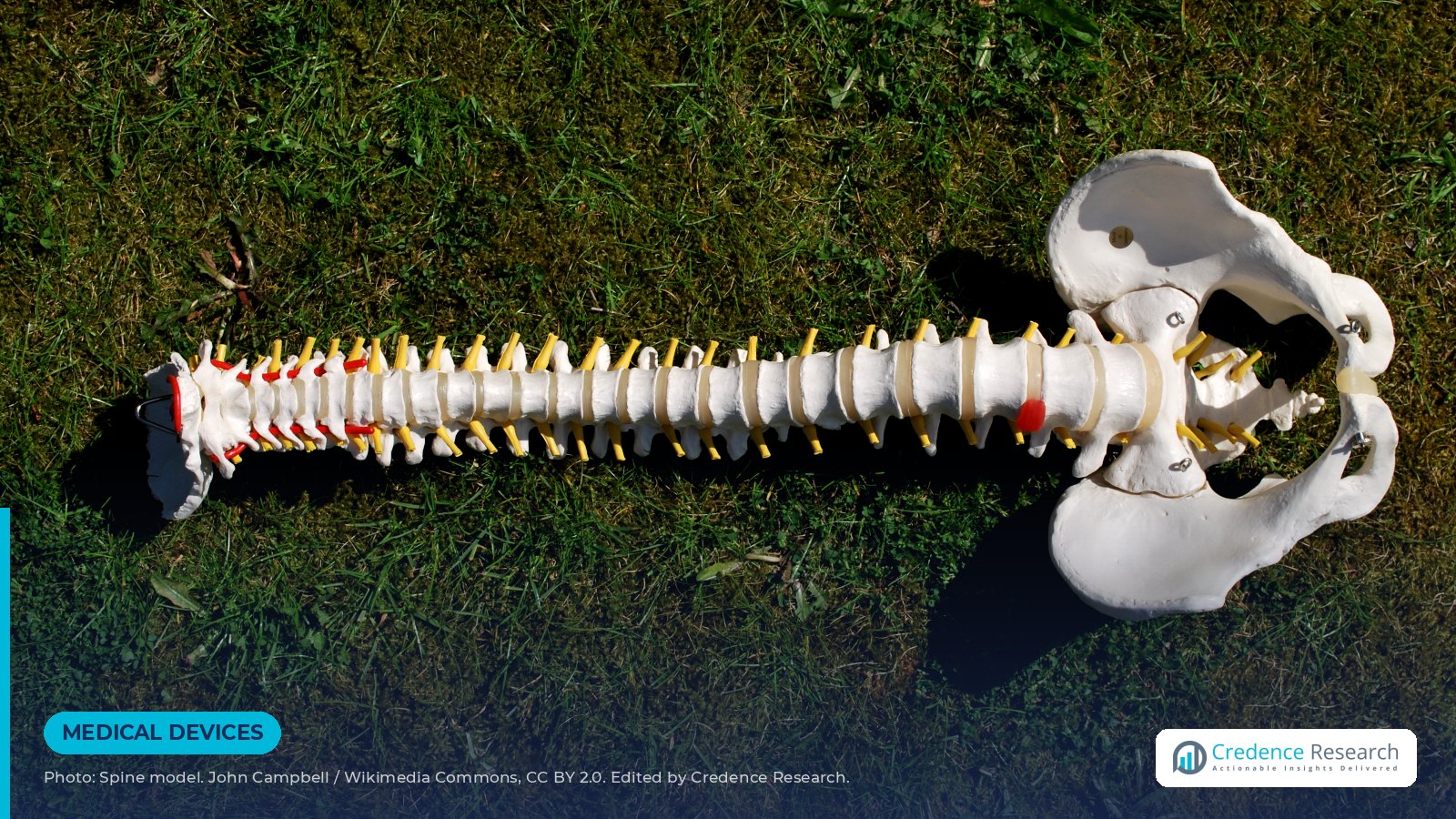
Image: Spine model, by John Campbell via Wikimedia Commons, CC BY 2.0. Cropped and edited by Credence Research.

About the Author

Senior News Editor at Credence Research Inc