
BP to Pay Louisiana $350 Million Early, Settle Remaining Parish Coastal Lawsuits
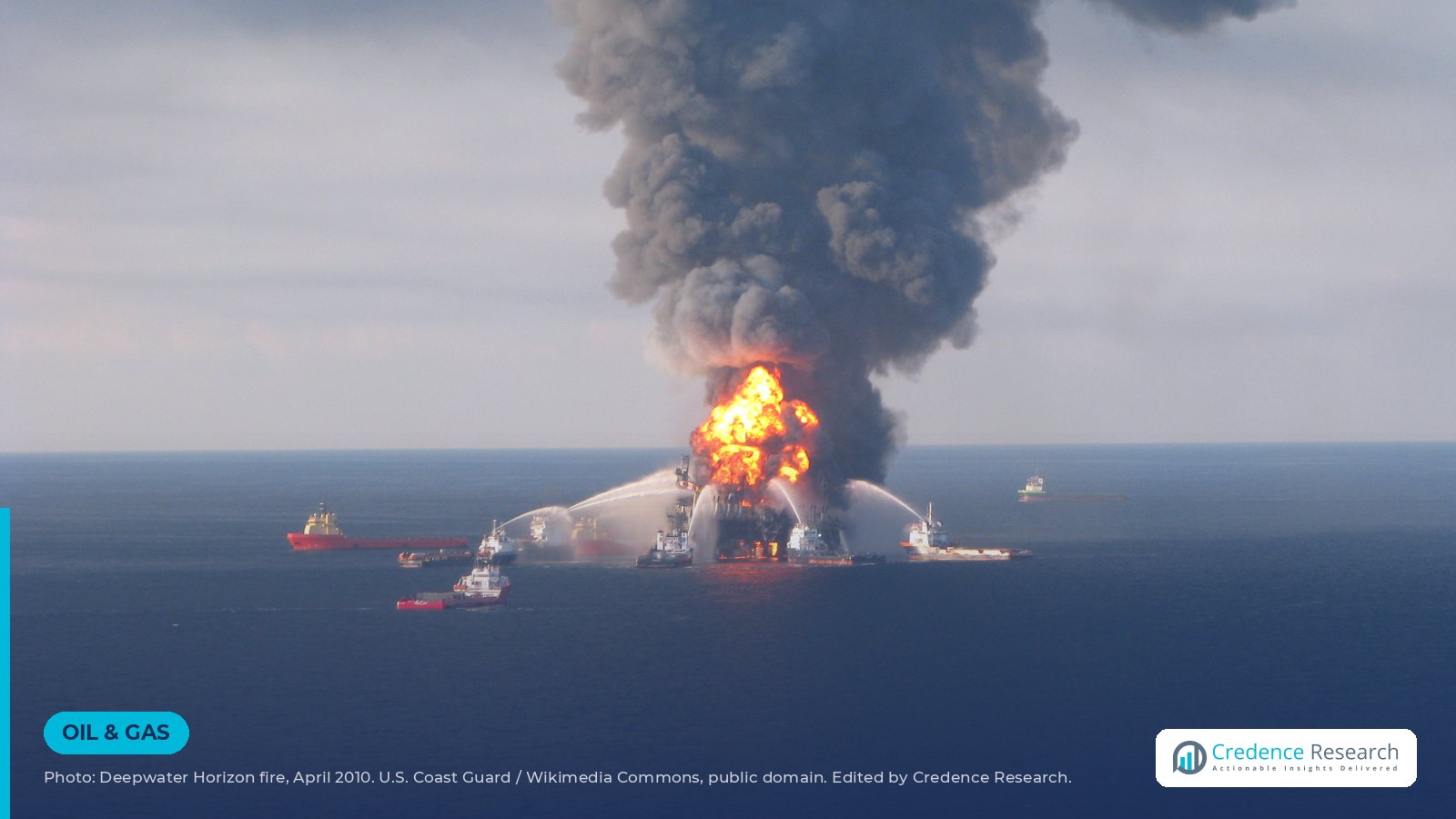
BP has agreed to pay Louisiana about $350 million in a single early payment, closing out the state's remaining Deepwater Horizon economic damages installments, and to settle the remaining coastal zone lawsuits that Louisiana parishes brought against the company. The agreement, announced from Houston on Oct. 23, 2026, was signed by BP Chief Executive Officer Meg O'Neill, Louisiana Gov. Jeff Landry and Attorney General Liz Murrill. It replaces seven years of scheduled payments with one transfer and removes a long-running source of litigation for one of the largest oil and gas operators in the state.
Key developments
- BP will make a single early payment of about $350 million to Louisiana in place of the $373 million still due under the 2015 Deepwater Horizon economic damages settlement, which was scheduled to be paid in equal, interest-free annual installments over the next seven years.
- The remaining coastal zone lawsuits brought by Louisiana parishes that involve BP will be resolved as part of the same agreement. The company did not name the parishes or cases.
- BP said the Louisiana deal accounts for more than 20% of its outstanding payments to the five Gulf Coast states under the 2015 settlement.
- The company reported more than 800 employees in Louisiana, about $590 million spent with Louisiana vendors in 2025 and more than $280 million paid in royalties and property and franchise taxes.
- BP said the agreement has been signed by the parties. The release did not describe any further court or regulatory approval steps.
Deepwater Horizon settlement background
The Deepwater Horizon drilling rig exploded in the Gulf on April 20, 2010, killing 11 workers and triggering the largest offshore oil spill in U.S. history. In 2015, BP reached a global settlement with the federal government and the five Gulf Coast states of Alabama, Florida, Louisiana, Mississippi and Texas. According to BP, that settlement provides for payments of up to $18.7 billion over 18 years, including $4.9 billion to resolve the states' economic damages claims. A federal court approved the settlement in April 2016.
The economic damages payments were structured as fixed annual installments with no interest, which spread the cash burden for BP over nearly two decades. Louisiana, the state most heavily affected by the spill, still had $373 million of that stream outstanding. By accepting about $350 million now, the state takes a smaller nominal amount in exchange for immediate access to the money.
The coastal zone lawsuits are a separate legal track. Beginning in 2013, several coastal parishes sued dozens of oil and gas producers, alleging that decades of drilling, dredging and pipeline work violated permits issued under Louisiana's State and Local Coastal Resources Management Act of 1978 and contributed to wetland loss. The cases moved slowly through state and federal courts for more than a decade. In April 2025, a Plaquemines Parish jury returned a verdict of roughly $745 million against Chevron in the first of the cases to reach trial, a result that raised the stakes for every remaining defendant.
Industry implications
For BP, the agreement converts an open-ended litigation exposure and a fixed payment schedule into a known, one-time cost. The early payment is about $23 million less than the remaining nominal installments, so the state is effectively accepting a discount in exchange for receiving the funds years ahead of schedule. O'Neill said the deal accelerates the delivery of BP's commitments, while BP America Chairman and President Orlando Alvarez said resolving the matters strengthens the foundation for the company's work in the state.
The coastal lawsuit settlement matters beyond BP. Upstream operators, pipeline companies and service firms working in coastal Louisiana have carried legal uncertainty from the parish suits for more than a decade. Each settlement narrows the pool of defendants and gives the industry a clearer reference point for how remaining claims may be resolved. In remarks reported by WBRZ, Landry said the state has now settled with all but one of the major defendants in the coastal cases and framed the BP agreement as part of an effort to improve Louisiana's legal climate for industry.
Landry said unresolved issues like these hold Louisiana back, and Murrill said resolving past matters opens the way to a better working relationship with the company.
Competitive and supply chain implications
Settling legacy disputes frees management attention and capital planning for operators active in the Gulf, where deepwater developments compete for rigs, subsea equipment and specialized vessels. Louisiana is a central service and logistics hub for that activity, and BP's reported $590 million in 2025 spending with in-state vendors shows how much of its Gulf supply chain runs through the state. A cleaner legal relationship with state government lowers one source of friction for that vendor base.
For other defendants still facing coastal claims, the BP deal adds pressure to negotiate rather than litigate. A trial loss on the scale of the 2025 Plaquemines verdict can weigh on balance sheets and credit assessments, while a negotiated settlement caps the exposure.
Regional implications
Louisiana receives about $350 million in a lump sum rather than in small annual amounts through the early 2030s. The release did not say how the state will use the funds, but the timing gives the state more flexibility than a fixed seven-year stream. Parishes that have suffered severe land loss will watch that decision closely.
The settlement also affects the parishes that brought the coastal suits. Resolving the BP portion of those cases removes one defendant from proceedings that have consumed years of local legal resources. Elsewhere in the Gulf, Alabama, Florida, Mississippi and Texas continue to receive BP's scheduled economic damages installments, and the Louisiana deal may serve as a reference point if any of them consider a similar early buyout.
Credence Research analysis
The agreement reflects a broader push by large oil companies to clear legacy liabilities before committing new capital to mature basins. Fixed, interest-free installments are inexpensive financing for BP, so the company's willingness to pay early suggests that bundling the payment with the coastal lawsuits was the real objective. Removing parish-level litigation risk in a state that anchors much of its Gulf operations gives BP a cleaner platform for future investment decisions there, even though the release itself contains no new project commitments.
For Louisiana, the trade-off is a modest nominal discount in return for immediate cash and progress on a litigation campaign that has defined the state's relationship with the oil industry for more than a decade. The key test will be whether the remaining defendant follows BP's path or proceeds through the courts. A full resolution of the coastal suits would remove a significant overhang for operators in the state, while an extended fight would keep legal risk a factor in Gulf investment planning.
What comes next
- Transfer of the roughly $350 million early payment to Louisiana, on a timeline BP has not disclosed.
- Filings to dismiss or close the parish coastal zone lawsuits involving BP.
- Decisions by state officials on how the lump-sum payment will be allocated.
- Developments in the remaining coastal case that Landry said has not been settled.
- Continued scheduled installments to the other four Gulf Coast states under the 2015 settlement.
Sources
- BP: BP and the State of Louisiana agree to resolve long-standing matters and open a new chapter
- WBRZ: Louisiana and BP agree on $350M settlement of Deepwater Horizon payments, resolve lawsuits
- Reuters via Investing.com: BP, Louisiana agree to resolve Deepwater Horizon disputes
Image: The Deepwater Horizon drilling rig on fire in the Gulf, April 21, 2010, by the U.S. Coast Guard via Wikimedia Commons, public domain. Cropped and edited by Credence Research.

About the Author

Senior News Editor at Credence Research Inc