
FDA approves Roche's Gazyva as first drug for primary membranous nephropathy
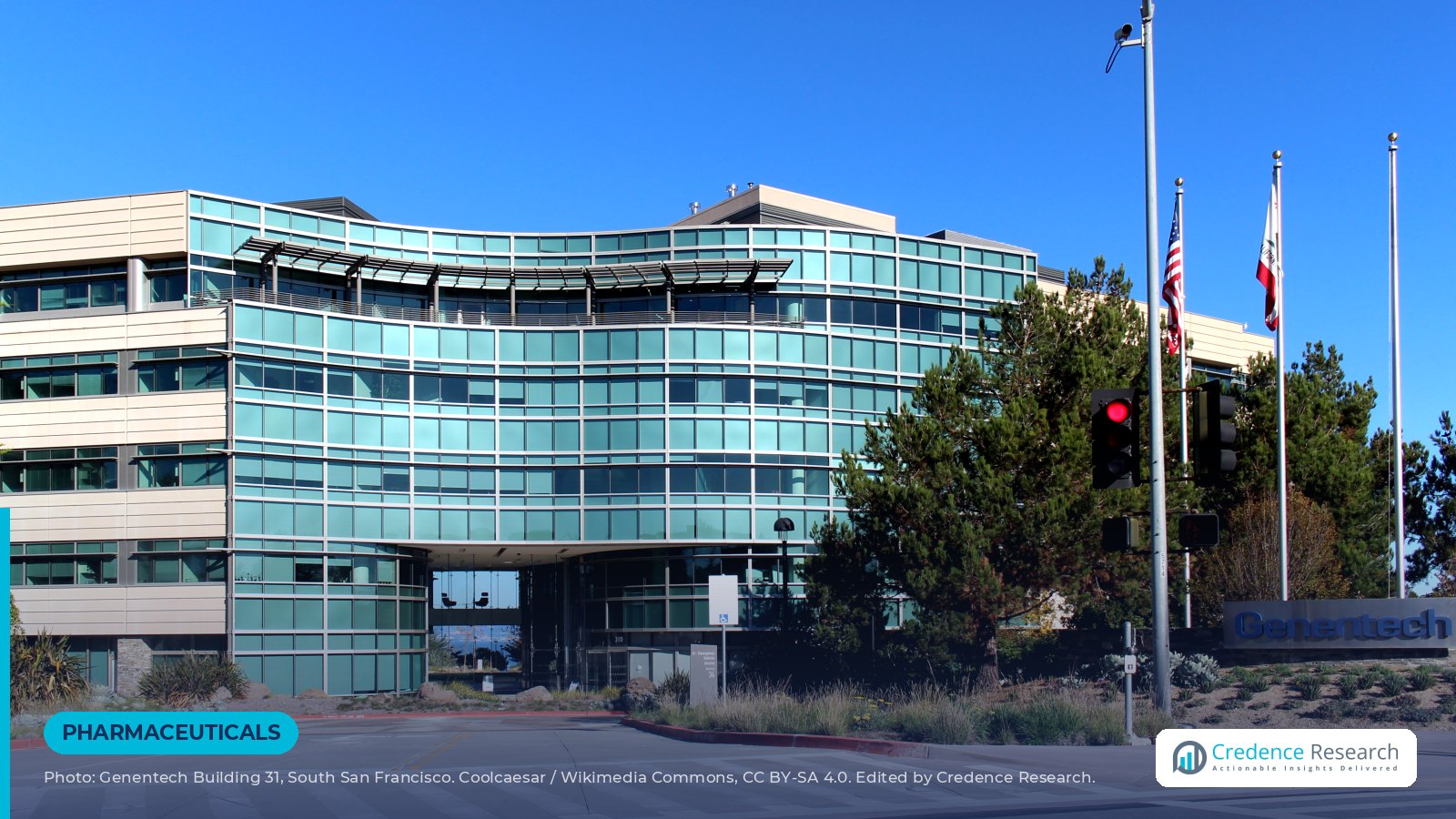
The U.S. Food and Drug Administration on Nov. 13, 2026, approved Genentech's Gazyva (obinutuzumab) to induce remission of proteinuria in adults with primary membranous nephropathy who are at risk of disease progression, making the Roche unit's anti-CD20 antibody the first drug cleared in the United States specifically for the rare autoimmune kidney disease. The decision rests on the Phase 3 MAJESTY trial, in which Gazyva beat tacrolimus, an immunosuppressant some physicians use off-label, on complete remission after two years.
Key developments
- The FDA approved Gazyva for adults with primary membranous nephropathy at risk of progression, describing it as the first drug approved specifically for the condition.
- In MAJESTY, a randomized, open-label study of 142 adults, 36% of patients on Gazyva reached complete remission at week 104, compared with 6% on tacrolimus, according to the FDA.
- The application carried Breakthrough Therapy, Orphan Drug and Priority Review designations. Roche had said in July that a decision was expected by November.
- The label keeps Gazyva's boxed warning for hepatitis B virus reactivation and progressive multifocal leukoencephalopathy. Infusion-related reactions and upper respiratory tract infections were the most common side effects in the study.
- Primary membranous nephropathy is Gazyva's third U.S. kidney-related indication outside oncology, after active lupus nephritis and childhood-onset idiopathic nephrotic syndrome.
Disease background
Primary membranous nephropathy is a chronic autoimmune disorder in which the immune system attacks the glomeruli, the filtering units of the kidney. The damage lets protein leak into the urine and can lead to severe swelling, high cholesterol, high blood pressure, fatigue and, eventually, kidney failure. Roche has said that up to 30% of untreated patients progress to kidney failure within 10 years, and Genentech has estimated that the disease affects more than 96,000 people in the United States, with roughly 1.2 new cases per 100,000 people each year.
Until now, nephrologists have relied on supportive care and on immunosuppressive drugs approved for other conditions, including calcineurin inhibitors such as tacrolimus and B-cell-depleting antibodies used off-label. Gazyva is a humanized, glycoengineered anti-CD20 antibody. Roche says its Type II design drives direct B-cell death and stronger antibody-dependent cellular cytotoxicity, which the company argues lets it reach tissue-resident B cells that sustain the autoantibody response behind the disease.
MAJESTY defined complete remission strictly: a urine protein-creatinine ratio of 0.3 g/g or lower with stable kidney function at week 104, without rescue therapy, treatment failure or early discontinuation. Roche reported an adjusted treatment difference of 31.1 percentage points (p<0.001) and said Gazyva was also superior on overall remission at week 104 and complete remission at week 76. The FDA framed the benefit in terms of proteinuria remission; its announcement does not describe an effect on long-term kidney function, which remains the outcome patients and physicians care about most.
Industry implications
The approval gives a defined regulatory pathway to a disease that has long been treated with borrowed drugs. A labeled therapy with a two-year remission endpoint is likely to shape how payers, guideline committees and hospital formularies frame treatment decisions, because prescribers now have an option backed by an FDA review rather than by investigator-led studies alone.
The decision also extends a broader shift in nephrology toward targeted immunology. Gazyva has moved in recent years from a hematology product into lupus nephritis, pediatric nephrotic syndrome and now membranous nephropathy, showing how large drugmakers are redeploying approved antibodies into kidney diseases where proof of remission can support a label. Developers working on other autoimmune kidney conditions will watch how the FDA weighed complete remission as the basis for approval in a slowly progressing kidney disease.
Competitive and supply chain implications
Gazyva enters the field ahead of a growing set of rivals. Biogen began dosing in June 2025 in PROMINENT, a global Phase 3 study comparing felzartamab, an anti-CD38 antibody that depletes antibody-producing plasma cells, with tacrolimus in about 180 adults with primary membranous nephropathy. That design mirrors MAJESTY's comparator, which should make future cross-trial discussions more direct, though the drugs act at different points in the B-cell lineage.
For Roche, the indication adds volume to an established biologic rather than requiring a new product launch. Gazyva is already approved in about 100 countries for blood cancers, so the company can lean on existing manufacturing, distribution and infusion-center relationships. The main operational changes fall on the clinical side: nephrology practices will need infusion capacity, hepatitis B screening and monitoring protocols tied to the boxed warning.
Regional implications
The U.S. approval comes first. Roche said in July that it was submitting MAJESTY data to other health authorities, including the European Medicines Agency, where Gazyva is already approved as Gazyvaro for lupus nephritis. An EU decision would extend the label to a second major region, and Roche has described the absence of any FDA- or EMA-approved therapy for the disease as the unmet need it is targeting.
Within the United States, access will depend on how quickly nephrology clinics without infusion suites build referral pathways, and on coverage policies for a biologic that replaces lower-cost generic immunosuppressants. Rural and community practices may see slower uptake than academic kidney centers that already administer B-cell therapies for lupus nephritis.
Credence Research analysis
The approval is a clear regulatory win, but its clinical weight sits on a single endpoint. A 36% versus 6% complete-remission gap is large, and the strict definition used in MAJESTY makes it more convincing. The open-label design and the absence of long-term kidney-function data in the approval announcement mean prescribers will look closely at longer follow-up before treating Gazyva as the default first-line option for every patient.
Strategically, the decision shows Roche turning a mature oncology antibody into a kidney-immunology franchise, one indication at a time. That approach lowers launch risk and positions Gazyva as the reference therapy that later entrants, including Biogen's felzartamab, will be measured against. The next test is whether the EMA and guideline bodies endorse the same remission-based reasoning, and whether real-world data on kidney outcomes confirm what the trial could not.
What comes next
- Genentech to roll out the new indication and updated prescribing information to U.S. nephrology practices.
- EMA and other regulators to review the MAJESTY data submitted by Roche.
- Longer-term MAJESTY follow-up and real-world data to clarify whether remission translates into preserved kidney function.
- Biogen's PROMINENT Phase 3 trial of felzartamab versus tacrolimus to continue enrollment and follow-up.
- Guideline committees and payers to assess where Gazyva fits relative to off-label immunosuppressive regimens.
Sources
- U.S. FDA: FDA Approves First Drug to Treat Adults with Primary Membranous Nephropathy
- Roche: FDA grants Priority Review to Gazyva/Gazyvaro for adults with primary membranous nephropathy
- Genentech: Positive Phase III results for Gazyva in primary membranous nephropathy
- Biogen: Phase 3 study of felzartamab in primary membranous nephropathy
Image: Genentech Building 31 in South San Francisco, by Coolcaesar via Wikimedia Commons, CC BY-SA 4.0. Cropped and edited by Credence Research.

About the Author

Senior News Editor at Credence Research Inc