
Hyundai Translead Raises Illinois Trailer Plant Investment to $600 Million, 3,750 Jobs
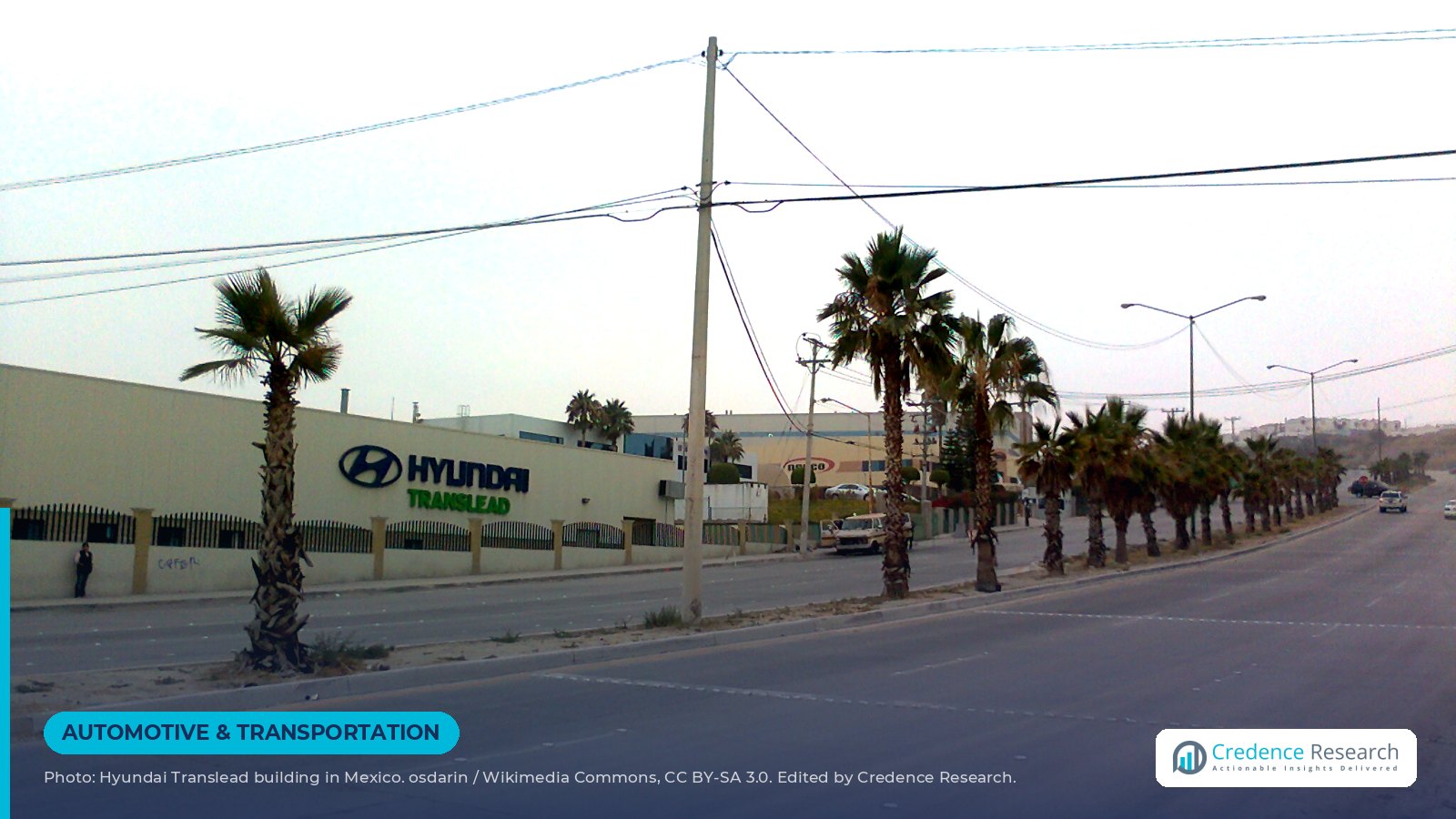
Hyundai Translead, the San Diego-based trailer manufacturer wholly owned by Hyundai Motor Company, said on Oct. 22, 2026, that it will raise its planned investment in new manufacturing operations in Will County, Illinois, to $600 million and lift its hiring target to 3,750 full-time jobs. The company announced the change from Joliet, seven months after it first committed more than $450 million and about 2,500 jobs to two plants in the county. The added money and positions come from a decision to run a third production shift.
Key developments
- Planned investment rises to $600 million from the more than $450 million announced in March 2026.
- The full-time job commitment climbs to 3,750 from 2,500, an increase of 1,250 positions.
- A third production shift accounts for the additional $150 million and the 1,250 new jobs.
- The company cited confidence in Illinois, growing customer interest in the new operations and a recovering transportation industry.
- Gov. JB Pritzker called the 3,750 jobs "transformational for the region."
Industry background
Hyundai Translead was founded in 1989 and describes itself as North America's leading van trailer manufacturer. Its product range covers dry and refrigerated van trailers, flatbeds, truck bodies and dollies, and it is the exclusive North American distributor of Hyundai's XCIENT Fuel Cell trucks. Until the Illinois project, its main production base serving U.S. fleets sat in Mexico, and Transport Topics reported in March that the company's Rosarito plant will keep operating.
The Illinois plan was unveiled on March 16 at the American Trucking Associations' Technology & Maintenance Council meeting in Nashville, Tennessee. According to the governor's office, the two plants occupy the former Caterpillar heavy-equipment operations in Will County and a site previously used by Lion Electric, the electric school bus maker whose U.S. operations were wound down after the company entered insolvency proceedings. The state supported the project with an Economic Development for a Growing Economy (EDGE) agreement covering a $452.5 million investment and at least 2,475 jobs; the dollar value of the incentives was not disclosed.
Chief Executive Sean Kenney told Transport Topics in March that the company chose existing industrial buildings over a greenfield site because building from scratch would have meant missing the market window. He also said the company had turned away customers in 2022 and 2023 because of capacity limits, and that logistics constraints in Mexico helped drive the move to the U.S.
Industry implications
Adding a third shift before the first production line has started is an unusual signal in a trailer sector that has spent much of the past two years managing weak freight demand and soft equipment orders. Hyundai Translead tied the expansion to customer interest and an industry recovery, but it did not disclose order volumes or name customers. The decision suggests the company expects its U.S. output to be sold well beyond a single-shift base load.
The plan also changes the economics of how the company serves U.S. fleets. Trailers are bulky, low-density products that are expensive to move empty over long distances. Building them in the Midwest, close to large carrier terminals and distribution centers, cuts delivery time and freight cost for customers and makes order changes easier to handle. Kenney said in March that more than 500 customer locations sit within 100 miles of the Illinois sites.
Competitive and supply chain implications
A larger Hyundai Translead footprint in Illinois puts the company closer to the home markets of established U.S. trailer builders such as Wabash, Great Dane and Utility Trailer, which run plants across the Midwest and South. A domestic plant reduces the transit and border lead times that come with Mexican production and gives the company a stronger position with fleets that favor U.S.-built equipment.
On the supply side, a three-shift trailer operation will draw on steel and aluminum, axles, suspensions, lighting, composite panels and refrigeration units. The March plan called for one site to handle fabrication, welding, subassemblies, aftermarket work and warehousing, with final assembly at the nearby facility. That layout should pull more component purchasing into the Chicago region's supplier base, which already serves heavy equipment and truck makers. Rail links and the nearby CenterPoint Intermodal Center give the sites access to inbound materials and outbound distribution.
Regional implications
For Will County, the project turns two idled industrial properties back into active manufacturing. The sites cover 52 acres along the Des Plaines River near Interstates 55 and 80, a corridor better known for warehouses and logistics parks than for factory work. A 3,750-person workforce would represent a significant addition to factory employment in the Joliet area.
Labor supply is the main local test. Joliet Junior College said in March it would expand training capacity in welding, industrial maintenance, HVAC and electrical systems to support the project. A third shift raises the hiring target by half, which means recruiting and training programs will need to scale quickly once production begins. The project also gives Illinois a visible win in its effort to attract manufacturers through the EDGE program.
Credence Research analysis
The most telling detail is timing. Hyundai Translead expanded its commitment before any production line is running, which points to firm demand signals from fleet customers rather than a speculative capacity bet. Adding output through a third shift is also a capital-efficient path: the $150 million increase buys a 50% lift in headcount on the same two sites, instead of a new plant. That approach lowers execution risk compared with a fresh greenfield build, though it raises the stakes on hiring and on keeping the plants supplied around the clock.
The move also reflects a wider shift among Korean-owned manufacturers to place more production inside the U.S. near end customers. For trailer buyers, a second large domestic source in the Midwest could improve delivery times and give fleets more leverage in equipment purchasing. The key uncertainties are the strength of the freight recovery the company is counting on, the pace of hiring, and whether the Illinois ramp-up holds to the timeline the company outlined in March.
What comes next
- Construction and retooling at the two Will County sites, which Transport Topics reported in March would begin early in the third quarter of 2026.
- Start of the first production lines, targeted for the second quarter of 2027 according to Kenney's March remarks.
- A third line in the third quarter of 2027, with full operations expected later in 2027.
- Possible amendments to the state EDGE agreement to reflect the higher investment and jobs figures.
- Expansion of workforce training at Joliet Junior College and hiring for the added shift.
Sources
- Hyundai Translead: Hyundai Translead Expands Planned Illinois Investment and Increases Job Commitment (Business Wire, Oct. 22, 2026)
- Office of the Governor of Illinois: Gov. Pritzker Announces Hyundai Translead to Bring 2,500 Jobs to Illinois (March 2026)
- Transport Topics: Hyundai Translead Illinois expansion (March 17, 2026)
Image: Hyundai Translead building in Mexico, by osdarin via Wikimedia Commons, CC BY-SA 3.0. Cropped and edited by Credence Research.

About the Author

Senior News Editor at Credence Research Inc