
Intel to Acquire Quantum Software Developer Classiq to Build Full-Stack Quantum Business
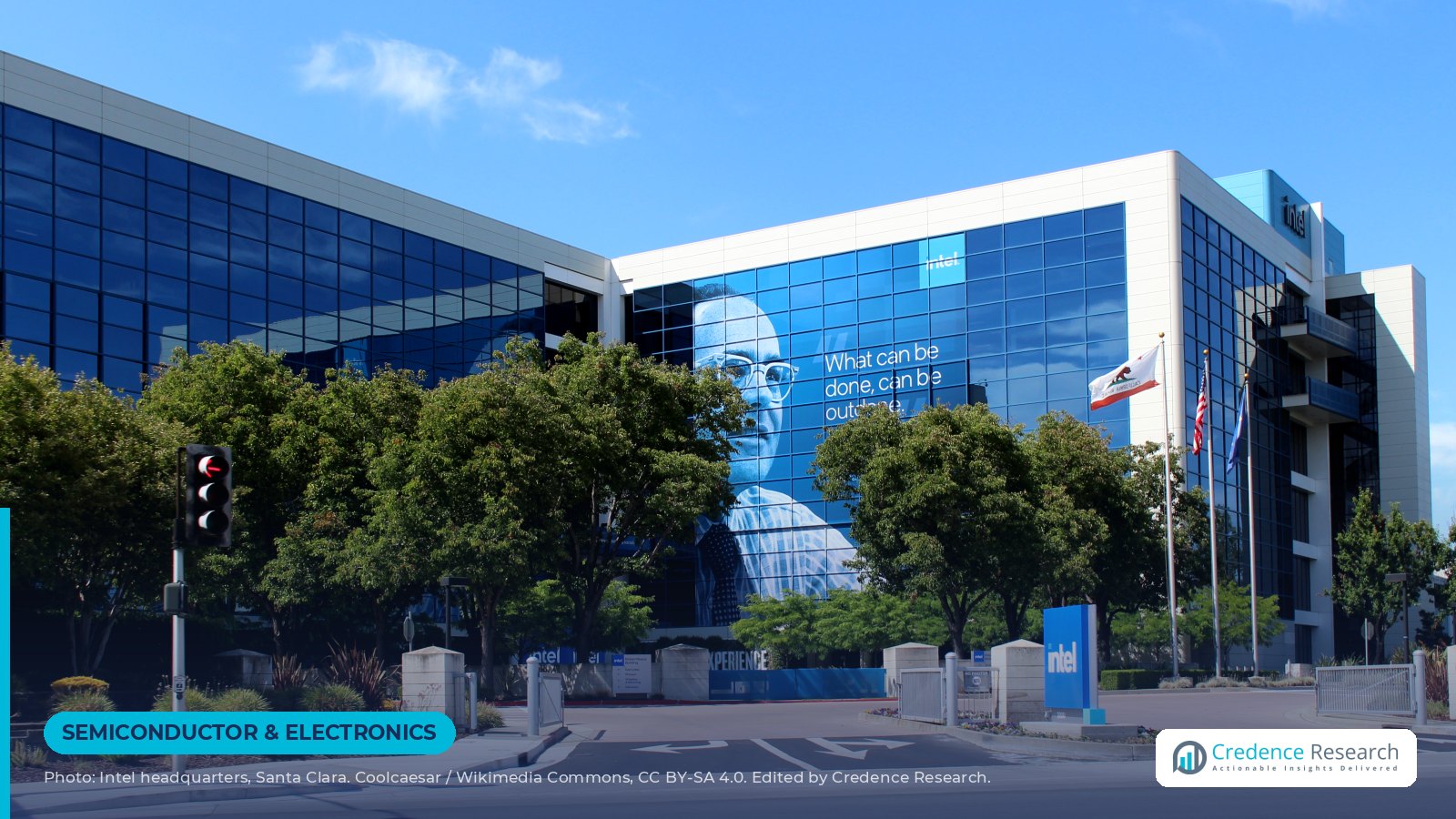
Intel Corp. has signed a definitive agreement to acquire Classiq, a Tel Aviv-based developer of quantum computing software, in a move the chipmaker says will turn its Quantum Computing Group into a full-stack quantum business. The companies announced the deal on Oct. 26 from Santa Clara, California, and Tel Aviv, Israel. Intel did not disclose the purchase price and expects the transaction to close in the first half of 2027, subject to regulatory approvals and customary closing conditions.
Key developments
- Intel will acquire Classiq under a definitive agreement announced Oct. 26, 2026. Terms were not disclosed in the company release.
- Israeli business daily Globes reported the price at about $2.2 billion net of Classiq's cash, against a headline figure of about $2.3 billion. Neither company has confirmed those numbers.
- Closing is expected in the first half of 2027. Until then, the two companies will operate as separate, independent businesses.
- Intel plans to keep supporting Classiq's existing integrations with other hardware platforms and to maintain software that does not depend on a single qubit type.
- Intel says the deal would let it add quantum processing units to a portfolio that already spans CPUs, GPUs and ASICs.
How the technology fits together
Quantum computers use qubits, which can represent combinations of states, to attack certain classes of problems in chemistry, materials science, optimization and finance that are hard for classical machines. Building a useful system requires several layers: qubit chips, cryogenic control electronics, error handling, and software that translates a problem into circuits a specific machine can run.
Intel has worked on the hardware side since 2015. Its approach relies on silicon spin qubits, which are built with the same kind of semiconductor equipment and processes used for conventional chips. In its release, Intel said it is the only company able to produce qubit chips and complex cryogenic control electronics at scale using conventional silicon manufacturing.
Classiq works one layer up. Its platform combines AI agents, a high-level quantum modeling language and design automation tools, and it supports hardware benchmarking, cost and performance optimization, and execution across different quantum machines. Intel compared the approach to the electronic design automation software that changed how classical chips are designed. According to SiliconANGLE, BMW, HSBC and Intesa Sanpaolo are among the organizations that have used the platform, and Classiq has raised just over $200 million since its founding in 2020.
Industry implications
The deal shows a hardware maker moving to own the software layer that developers touch first. Quantum hardware vendors have mostly relied on open toolkits or third-party software to attract users. By buying a vendor-neutral platform, Intel gains a direct relationship with enterprise teams that are already writing quantum applications, regardless of which machine they run on today.
Intel CEO Lip-Bu Tan said the company's semiconductor, manufacturing and systems engineering work has advanced its spin-qubit development, and that adding Classiq transforms the Quantum Computing Group into a full-stack business. Classiq co-founder and CEO Nir Minerbi said the combined company could help accelerate adoption of quantum computing sooner than either could alone.
The commitment to stay hardware agnostic is significant. If Intel keeps Classiq open to trapped-ion, superconducting, photonic and other systems, as the release indicates, it can collect insight into how customers write and optimize quantum workloads across the industry. That knowledge could shape the design of its own spin-qubit processors.
Competitive and supply chain implications
IBM is the most direct comparison. It builds superconducting quantum processors and maintains Qiskit, a widely used software development kit that also supports hardware-agnostic development. Google, IonQ and other hardware developers are pursuing their own stacks. Globes described the Classiq deal as the largest acquisition yet in quantum computing, ahead of IonQ's purchase of Oxford Ionics.
For Classiq's partners, the key question is neutrality. Other hardware makers that rely on the platform may weigh whether software owned by a rival will continue to treat their machines equally. Intel's pledge to maintain multi-platform integrations is meant to address that concern, and customer retention is listed among the risks in Intel's forward-looking statements.
On the supply side, Intel's pitch rests on manufacturing. Spin qubits can be produced on existing silicon process lines, which in principle gives Intel a path to scale that does not require specialized fabrication. Pairing that with a software platform already used by enterprises gives the company a story that runs from wafer to application.
Regional implications
Israel gains another anchor for Intel's local operations. Globes reported that Classiq will become Intel's global development center for quantum computing and that the deal ranks as Intel's second-largest Israeli acquisition after Mobileye in 2017. Intel already runs major design and manufacturing operations in the country.
In the United States, the agreement adds a quantum software layer to Intel's domestic chipmaking strategy at a time when governments in the U.S., Europe and Asia are funding national quantum programs. Regulatory review of the transaction will determine timing; Intel has not said which jurisdictions must approve the deal.
Credence Research analysis
The acquisition signals that Intel sees software, not qubit counts alone, as the bottleneck to commercial quantum use. Hardware roadmaps across the industry remain uncertain, and enterprises are reluctant to commit to a single machine. A platform that lets developers write once and target many systems lowers that risk for buyers, and owning it gives Intel early visibility into which applications are maturing. This mirrors how design automation tools became a control point in classical semiconductors.
Execution will decide the outcome. Globes noted that several of Intel's past Israeli acquisitions struggled to integrate into its product lines, and Intel itself flags the risk of losing key Classiq staff and customers. The most important tests will be whether Classiq keeps rival hardware makers on board after closing and whether Intel can show working spin-qubit systems that benefit from the combined stack. Until then, the deal is best read as a strategic option on quantum computing rather than a near-term revenue driver.
What comes next
- Regulatory filings and approvals required to complete the transaction.
- Expected closing in the first half of 2027.
- Details on how Classiq will be organized inside Intel's Quantum Computing Group and who will lead it.
- Updates from Classiq customers and hardware partners on continued multi-platform support.
- New Intel disclosures on its silicon spin-qubit roadmap and any integrated hardware and software offering.
Sources
- Intel: Intel to Acquire Classiq to Create a Full-stack Quantum Computing Platform
- Globes: Intel buys Israeli quantum computing co Classiq
- SiliconANGLE: Intel buys quantum software pioneer Classiq
Image: Intel headquarters in Santa Clara, California, by Coolcaesar via Wikimedia Commons, CC BY-SA 4.0. Cropped and edited by Credence Research.

About the Author

Senior News Editor at Credence Research Inc