
Pentagon, Lockheed Martin Set 10-Year F-35 Framework for 850 U.S. Jets
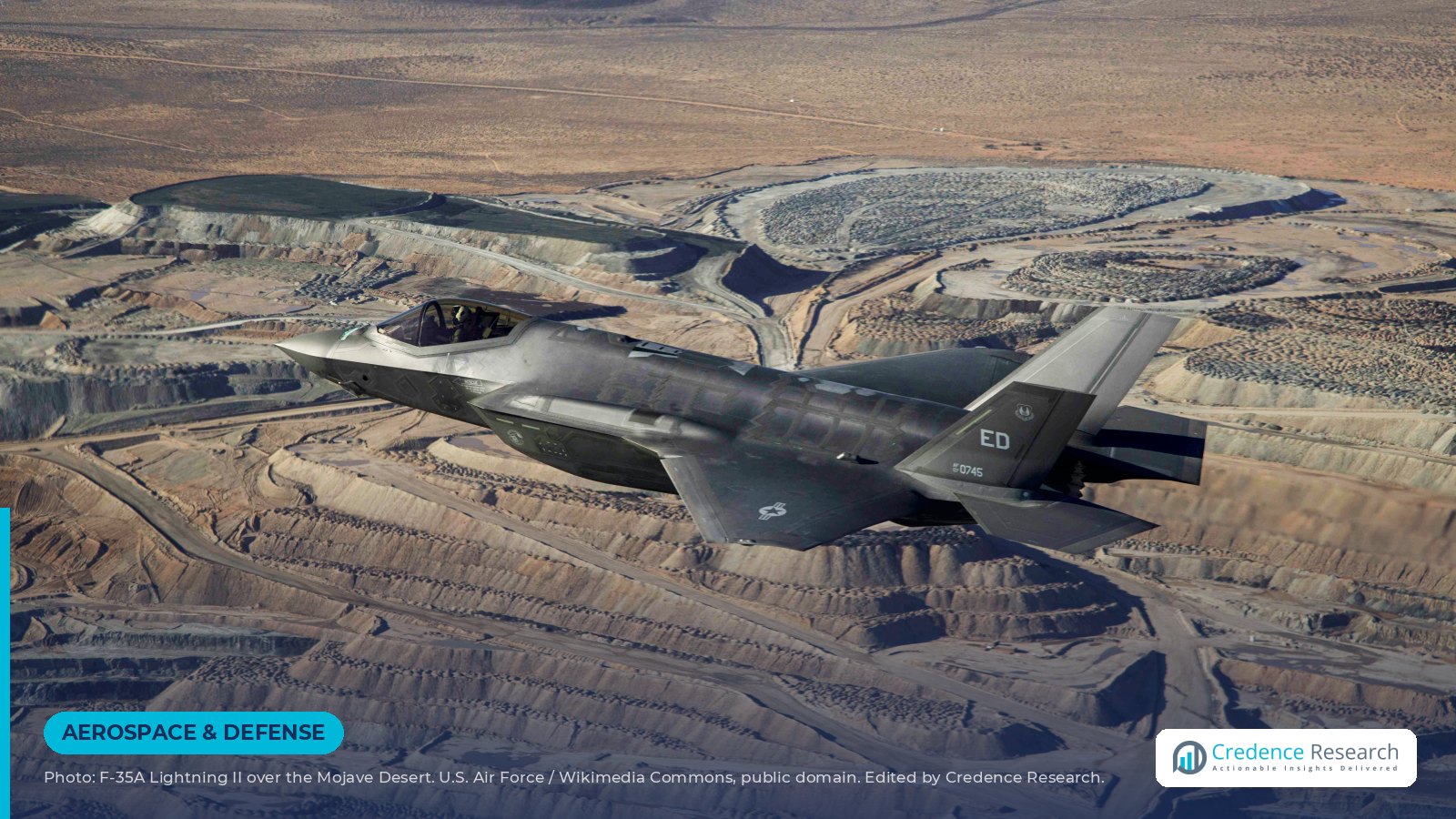
The U.S. Department of War and Lockheed Martin on Oct. 22, 2026, announced a 10-year framework agreement for multiyear production and sustainment of the F-35 Lightning II, setting a floor of 850 U.S. aircraft and a steady build rate of 156 jets a year. The agreement, unveiled in Arlington, Virginia, still depends on Congress granting multiyear procurement authority and the money to go with it before a formal contract can be signed.
Key developments
- The framework covers 850 U.S. F-35s over 10 years, together with initial spares, according to Lockheed Martin.
- It includes 10 years of modification kits and fleet sustainment, plus international customer orders across production Lots 21 through 30.
- Lockheed Martin plans to hold production at 156 aircraft per year for U.S. and allied customers.
- The Department of War said the deal secures $7 billion in private investment; Air & Space Forces Magazine reported that Lockheed will put at least $7 billion of its own money into program initiatives.
- Contract terms, pricing and delivery schedules will be finalized by the F-35 Joint Program Office and Lockheed Martin through a formal award once multiyear authority and appropriations are in place.
Program background
Lockheed Martin says more than 1,375 F-35s are fielded today, the fleet has passed 1 million flight hours, and the jet flies from 42 bases worldwide, including bases in 13 nations operating it on home soil. Final assembly takes place in Fort Worth, Texas, with additional assembly lines in Italy and Japan, and a global supplier network that includes Pratt & Whitney for the F135 engine and Northrop Grumman and BAE Systems for major fuselage sections.
For most of its history, the program has bought aircraft in annual or two-year lots, each negotiated separately. That structure has repeatedly left suppliers waiting on contract awards while long-lead parts were ordered under interim funding arrangements. It also tied price reductions to one lot at a time, limiting how far the government could press for volume discounts.
Sustainment has been the program's other pressure point. Mission-capable rates and spare parts availability have drawn sustained criticism from congressional overseers and government auditors, and the cost of operating the fleet over its service life has become as large a policy question as the cost of buying it. The new framework bundles both production and sustainment into one decade-long plan for the first time.
Industry implications
A 10-year demand signal changes how defense contractors and their suppliers plan capital spending. Lockheed Martin said the multiyear approach would deliver long-term savings for taxpayers through lower pricing and volume discounts, while giving suppliers the stability to plan ahead. Chairman, President and CEO Jim Taiclet described the framework as good for the taxpayer and good for suppliers, and Lockheed Martin Aeronautics President OJ Sanchez said the added stability should lead to higher mission-capable rates.
Lockheed Martin said the program will support 317,000 U.S. jobs and roughly $79 billion in annual economic activity over the next decade. Those figures reflect the company's estimate of the program's existing and planned footprint rather than new hiring tied directly to the agreement.
Air & Space Forces Magazine reported that Lockheed described the pricing approach as fixed-price with an escalator, under which set prices can rise when specified economic conditions change. That structure would shift some inflation risk back toward the government compared with a pure fixed-price deal, a point lawmakers are likely to examine as they weigh multiyear authority.
Competitive and supply chain implications
For suppliers, the most important word in the announcement is predictability. A committed rate of 156 aircraft a year across Lots 21 through 30 gives engine, avionics, composite structure and electronics makers a basis to sign long-term raw material contracts, add tooling and hire ahead of orders. Bulk buys of parts across several lots can also cut the per-unit cost of components that are currently procured in smaller batches.
Lockheed Martin's release ties part of the readiness case to investments it is making in the global spares pool. Better spares availability is directly linked to mission-capable rates, which have been a long-running weakness for the fleet. If the framework moves to contract, sub-tier suppliers of castings, forgings, fasteners and specialty electronics are likely to feel the demand change first.
The agreement also raises the bar for competing fighter programs seeking budget share. Air & Space Forces Magazine reported that Congress is considering multiyear procurement authority for both the F-35 and the Boeing F-15EX in its fiscal 2027 defense policy bill. A decade-long F-35 commitment would lock a large portion of tactical aviation procurement funding into one platform as the services also try to fund sixth-generation programs.
Regional implications
In the United States, the framework is most significant for Fort Worth, Texas, home of the main final assembly line, and for the supplier base spread across most states. Stable annual rates help regional manufacturers plan workforce training and plant investments that are hard to justify on single-lot contracts.
Internationally, the inclusion of foreign orders in Lots 21 through 30 matters for partner and Foreign Military Sales nations in Europe and the Asia-Pacific, where several air forces are still receiving their first jets. Finland celebrated the arrival of its first F-35 earlier this month, according to Lockheed Martin. A predictable production schedule gives those buyers clearer delivery slots and helps industrial partners in countries such as Italy and Japan, which host their own assembly and sustainment work, align capacity with demand.
Credence Research analysis
The framework is best understood as a political and industrial signal rather than a finished contract. Its core numbers, 850 U.S. aircraft and 156 jets a year, give the supply chain a planning baseline, but the agreement cannot be executed without congressional authority and appropriations, and pricing, variant mix and the split among the Air Force, Navy and Marine Corps remain open, according to Air & Space Forces Magazine. The company-funded investment of at least $7 billion is the most concrete near-term commitment, and how that money is directed between spares, production tooling and upgrades will show where Lockheed sees the biggest readiness gaps.
The bigger shift is the decision to bundle production and sustainment over a decade. Readiness, not unit price, has been the F-35's main vulnerability in Washington, and a long-term spares and modification plan addresses that directly. The risk is that a fixed-price-with-escalator structure and a long commitment reduce the government's leverage if upgrades slip or sustainment costs rise. Lawmakers' handling of multiyear authority in the fiscal 2027 defense bill will determine whether the framework becomes the model for other large aircraft programs.
What comes next
- Congressional action on multiyear procurement authority for the F-35 in the fiscal 2027 defense policy bill.
- Passage of fiscal 2027 appropriations to fund the first years of the framework.
- Negotiation of pricing, schedules and variant quantities between the F-35 Joint Program Office and Lockheed Martin, leading to a formal contract award.
- Allocation of Lockheed Martin's company-funded investment across spares, production and upgrade initiatives.
- Updated delivery and supplier capacity plans covering Lots 21 through 30 for U.S. and international customers.
Sources
- Lockheed Martin: New Framework Agreement for Multiyear F-35 Production and Sustainment
- U.S. Department of War: Department of War and Lockheed Martin Finalize Landmark 10-Year F-35 Deal
- Air & Space Forces Magazine: Pentagon, Lockheed Agree on 10-Year Framework for F-35
Image: An F-35A Lightning II flies above the Mojave Desert, by the U.S. Air Force via Wikimedia Commons, public domain. Cropped and edited by Credence Research.

About the Author

Senior News Editor at Credence Research Inc