
The Andersons to Buy Harvestone Low Carbon Partners for $915 Million, Adding Carbon Storage Assets
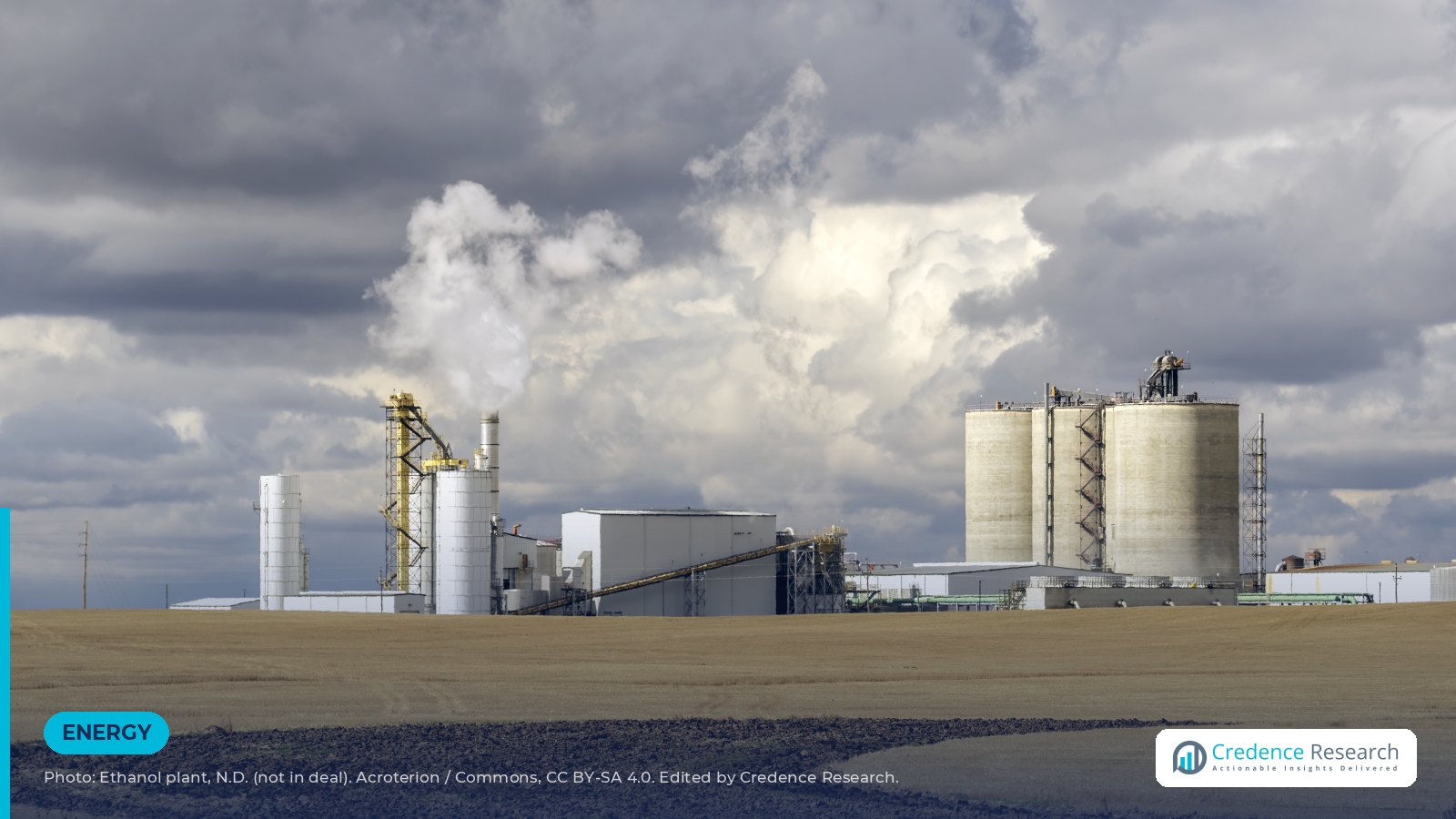
The Andersons Inc. agreed on Nov. 4, 2026, to buy Harvestone Low Carbon Partners from Energy Capital Partners for $915 million, a deal that hands the Maumee, Ohio-based agribusiness three ethanol plants and working carbon sequestration assets in North Dakota. The company said about half of the price reflects expected cash flows from the federal 45Z and 45Q tax credits, making this as much a bet on low-carbon fuel policy as on ethanol volumes.
Key developments
- The Andersons will acquire Harvestone Low Carbon Partners (HLCP) for $915 million, including a normalized level of working capital and subject to customary adjustments. Seller ECP, part of Bridgepoint Group, described the figure as enterprise value.
- HLCP owns the Blue Flint and Dakota Spirit plants in North Dakota and Iroquois Bio-Energy Company in Indiana, with about 215 million gallons of combined annual ethanol capacity.
- The deal lifts The Andersons' ethanol platform to about 730 million gallons a year and expands its Renewables business by more than 40%, according to the company.
- Financing consists of about $300 million drawn on the existing revolving credit facility and $615 million in new long-term debt, with commitments from U.S. Bank National Association and Farm Credit Mid-America.
- Closing is expected in the fourth quarter of 2026 or early in the first quarter of 2027, subject to regulatory approvals and customary conditions.
Carbon capture and tax credit background
Corn ethanol plants emit a relatively pure stream of carbon dioxide from fermentation, which makes them among the more practical industrial sites for capture. The commercial case rests on two federal incentives. Section 45Q rewards permanent sequestration of carbon dioxide, while Section 45Z pays producers of low-emission transportation fuels based on each fuel's lifecycle greenhouse gas score.
According to a Jones Day summary of proposed Treasury rules issued Feb. 3, 2026, the 45Z credit applies to fuel sold from Jan. 1, 2025, through Dec. 31, 2029, and is generally capped at $1 per gallon. The One Big Beautiful Bill Act limited eligibility to fuel made from feedstock grown or produced in North America and removed indirect land use change from the emissions calculation, a shift the firm said would likely lower scores for biofuels.
HLCP moved early on sequestration. The North Dakota Industrial Commission granted Blue Flint, near Underwood, a Class VI injection well permit in May 2023, and capture operations began that October. HLCP said the plant was expected to capture more than 200,000 metric tons of carbon dioxide a year. It closed a $205 million tax equity financing for the project with Bank of America in September 2024, with the bank participating in the 45Q credits. ECP, which invested in HLCP in December 2022, said in its Nov. 4 release that all three plants are positioned to capture and permanently store the carbon dioxide they produce.
Industry implications
The price allocation is the most telling detail in the announcement. By attributing roughly half the value to tax credit cash flows, The Andersons is telling investors that carbon intensity, not only crush margins, now drives the worth of an ethanol plant. A low score can also support premium pricing for the fuel itself, the company said.
The transaction also shows sequestration becoming an asset a strategic buyer will pay for. ECP Principal Ben Condon said HLCP has shown that carbon capture at ethanol plants works at commercial scale. Blue Flint's roughly three-year operating record gives the buyer performance data rather than a development plan.
The rollout across the portfolio is still uneven. On the company's earnings call, according to a transcript published by Investing.com, management said Dakota Spirit is expected to begin sequestering carbon in early 2027. The Indiana plant has filed a Class VI permit application with the U.S. Environmental Protection Agency, which is in technical review, with sequestration targeted for late 2028.
Competitive and supply chain implications
The Andersons said the purchase places it among a very limited number of U.S. ethanol producers with demonstrated Class VI injection capabilities. On-site storage is a meaningful advantage because producers without it depend on third-party transport and storage routes. Management said Blue Flint and Dakota Spirit would be among a limited number of plants able to sequester on-site in 2027, according to the transcript.
The company also cited synergies in grain origination, merchandising, logistics and co-products, including distillers dried grains and distillers corn oil, along with its Regenerative Ag programs.
Further capacity may follow without new plants. Management said a debottlenecking project at Clymers, Indiana, is targeted to add 30 million gallons by the third quarter of 2027, taking the platform to about 760 million gallons. It also said low-cost debottlenecking could push the HLCP plants past 250 million gallons combined within 24 to 36 months, according to the transcript.
Regional implications
The North Dakota plants extend The Andersons' presence in the Western Corn Belt, while the Indiana facility complements its Eastern Corn Belt operations, the company said. ECP lists Dakota Spirit in Jamestown and Iroquois Bio-Energy in Rensselaer.
North Dakota's regulatory position is central to the deal's value. The state became the first to receive Class VI primacy from the EPA in 2018, according to the Industrial Commission, which allows state regulators to permit injection wells. The commission approved its first such well in October 2021 for Red Trail Energy's ethanol plant near Richardton, which is not part of this transaction. Both that project and Blue Flint inject into the Broom Creek Formation.
Indiana presents a different path, with the Iroquois application pending at the federal level, which shows how permitting geography can separate otherwise similar Corn Belt plants. For local corn growers, the North American feedstock requirement in 45Z keeps demand tied to the continent, although the release did not detail any change in grain sourcing.
Credence Research analysis
This deal puts a clear price on a capability that had been hard to value: permitted, operating carbon storage attached to an ethanol plant. The Andersons is paying for plants, but the structure suggests the scarce asset is the permit and the injection record. Other producers evaluating capture will likely read the roughly 50% allocation as a benchmark for how a strategic buyer underwrites these credits.
The risk sits in the same place as the opportunity. The 45Z credit runs only through 2029 under current law, so the window for harvesting it is short relative to the life of an ethanol plant, and Treasury's February proposal leaves room for change before any final rules. An all-debt financing raises the stakes on timely execution at Dakota Spirit and Iroquois. The company said pro forma long-term debt to EBITDA should stay below its target of less than 2.5 times, a target that will be tested if credit values or permitting schedules slip.
What comes next
- Regulatory review and closing, expected in the fourth quarter of 2026 or early in the first quarter of 2027.
- Start of carbon sequestration at Dakota Spirit, which management expects in early 2027.
- Completion of the Clymers debottlenecking project, targeted for the third quarter of 2027.
- An EPA decision on the Iroquois Class VI application, with sequestration targeted for late 2028.
- Further Treasury action on 45Z rules, along with any congressional move on the credit's 2029 end date.
Sources
- The Andersons: Agreement to acquire Harvestone Low Carbon Partners
- Energy Capital Partners: Agreement to sell Harvestone
- Investing.com: The Andersons Q3 2026 earnings call transcript
- Harvestone and Bank of America: Carbon capture tax equity financing
Image: Red Trail Energy ethanol plant with carbon dioxide capture in Richardton, North Dakota, which is not part of this transaction, by Acroterion via Wikimedia Commons, CC BY-SA 4.0. Cropped and edited by Credence Research.

About the Author

Senior News Editor at Credence Research Inc