
BP Closes $6 Billion Sale of 65% Castrol Stake to Stonepeak, Making Lubricants Maker Standalone
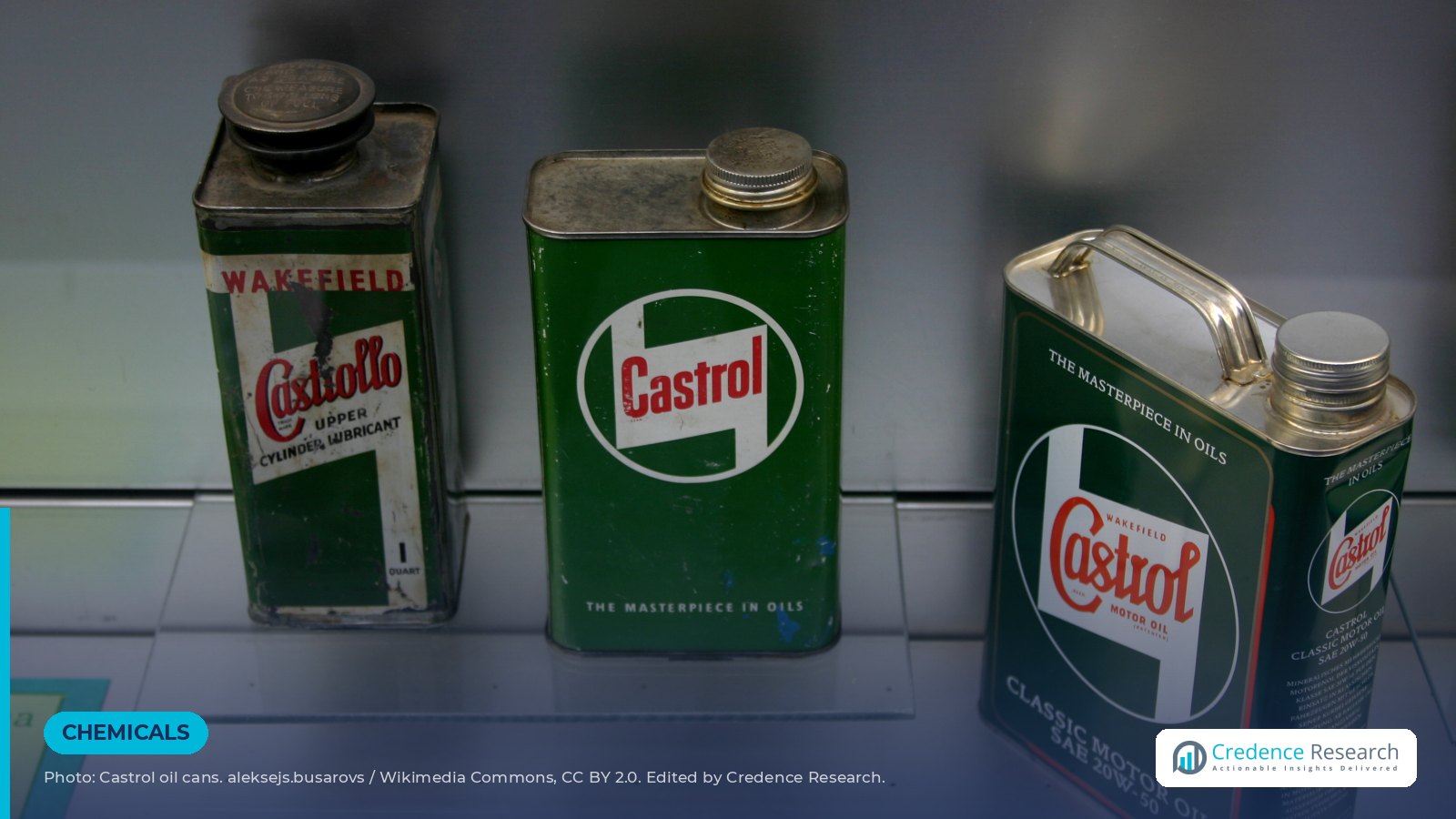
BP completed the sale of a 65% stake in Castrol to Stonepeak on Nov. 2, the company said in London, handing control of the 127-year-old lubricants brand to the New York-based infrastructure investor and bringing the British energy group $6 billion in after-tax proceeds. BP keeps the remaining 35% of a business that will now run as a standalone company with its own management, governance and strategic priorities.
Key developments
- BP's $6 billion in after-tax proceeds includes about $0.8 billion paid in advance for future dividend income on the retained stake.
- BP will treat its 35% holding as an equity-accounted investment and does not expect to book earnings or receive a dividend from it in the short to medium term, because Stonepeak holds a preference on distributions.
- After a two-year lock-up, BP has the option to sell its remaining stake.
- Former Shell CEO Ben van Beurden chairs the new Castrol board, which includes independent directors along with Stonepeak, BP and CPP Investments representatives, according to a report on the closing carried by Euronext.
- Michelle Jou remains Castrol's CEO.
Industry background
Castrol makes engine oils, industrial fluids and greases for consumer automotive, commercial and industrial customers, with more than 6,000 employees and sales in about 150 countries. When the deal was announced on Dec. 24, 2025, Stonepeak said the company ran about 20 blending plants and used more than 100 third-party facilities and warehouses. The transaction valued Castrol at about $10.1 billion in enterprise value.
Lubricants sit in an unusual position within the energy business. Base oil comes from refining, but the value in a finished product rests on additive chemistry, blending, packaging, brand and distribution. Stonepeak, which reports about $98 billion in assets under management, described lubricants as a mission-critical product for nearly every vehicle, machine and industrial process when it agreed to the purchase.
Canada Pension Plan Investment Board is taking an indirect, non-controlling position alongside Stonepeak. It committed up to $1.05 billion in December and said it expected Castrol to play a growing role in emerging applications, including electric vehicles and data centers.
Industry implications
The closing moves one of the best-known names in automotive and industrial fluids out of an integrated oil major and into the hands of an infrastructure-focused investor. For BP, the transaction is mainly a balance sheet event. The company said it will use the money to further reduce financial obligations, the priority CEO Meg O'Neill has set as she works to build what she called "a simpler, stronger, more valuable bp."
BP reported on Oct. 30 that net debt fell to $13.9 billion at the end of the third quarter, already below the $14 billion to $18 billion range it had targeted for the end of 2027. The company also said it remains too leveraged once hybrids, leases and Gulf of America settlement liabilities are counted, which explains why the Castrol cash is going to debt-like obligations and not to new spending.
Giving up control also changes BP's reported earnings. Its fourth-quarter guidance for the customers segment already reflects lower Castrol earnings, and the retained stake will not add to profit in the near term under the distribution preference.
Competitive and supply chain implications
Castrol now competes as an independent specialist against lubricants units inside integrated energy companies such as Shell, ExxonMobil, TotalEnergies and Chevron, as well as independents such as Germany's Fuchs. Separation raises a practical question that customers and suppliers will watch: how Castrol sources base oils and other inputs once it is no longer controlled by a refining group. BP's two board seats and 35% stake keep the companies tied, and any new supply arrangements will be an early point of interest for customers.
Standalone status also gives Castrol more freedom to set its own capital priorities. Its blending network depends on a mix of owned plants and third-party sites, so decisions on footprint, packaging and logistics now sit with a board chaired by a former oil major CEO and shaped by an infrastructure investor focused on hard assets and operational improvement.
The product mix is the longer-term issue. Engine oil remains tied to the combustion fleet, while electric vehicles need different thermal and driveline fluids. Castrol already markets single-phase dielectric immersion coolants for data centers under its Castrol ON brand, according to its website, which places it in a newer supply chain alongside chemical and thermal management suppliers.
Regional implications
Castrol's international structure includes listed or partnered operations with minority holders, including 49% in India, 35% in Vietnam, 50% in Saudi Arabia and 40% in Thailand, according to BP. Those interests accounted for about $100 million a year on average of net income from 2019 to 2025.
India is the most immediate follow-on. Stonepeak said in December that a mandatory tender offer for public shareholders of Castrol India Limited would proceed only after the main transaction closed. Outlook Business reported at the time that the offer covered up to 26% of the company at 194.04 rupees a share. The final timetable and terms will be set out in Indian regulatory filings.
In the United Kingdom, Castrol remains headquartered in the country, now under a U.S. majority owner with Canadian pension capital behind it. Stonepeak has said its near-term focus is operational improvement and sustainable growth, working with Castrol's leadership team and employees.
Credence Research analysis
The structure of this deal says as much as its price. BP received cash up front, including a prepayment for dividends it will not collect, and accepted a junior position in return for a possible second exit after two years. That is a trade of future income for present balance sheet strength, and it fits a company that says it has met its net debt goal but still carries too many obligations. The next test comes at BP's strategy update on Dec. 15, when investors can see how much of this flexibility is spent on debt and how much is available for its portfolio.
For the lubricants industry, the more interesting signal is the buyer. Stonepeak is treating a blended chemical product with a consumer brand as an infrastructure-like asset, valuing steady demand from vehicles and machinery. The risk in that view is the gradual shift in vehicle fleets, and the opportunity is that new fluid needs in electric vehicles and data centers can be sold through the same technical and distribution channels. Castrol's early capital decisions will show which of those two themes its new owners weight more heavily. Its independence from a refining parent will be most visible in how it manages base oil purchasing.
What comes next
- Launch and terms of the mandatory tender offer for Castrol India public shareholders.
- BP's strategy and outlook update on Dec. 15, 2026.
- BP's fourth-quarter results, the first to show Castrol as an equity-accounted investment.
- Early decisions by the van Beurden-led board on capital spending, blending footprint and growth priorities.
- The end of the two-year lock-up, after which BP may choose to sell its 35% stake.
Sources
- BP: BP completes Castrol transaction
- BP: Agreement to sell a 65% shareholding in Castrol to Stonepeak
- Stonepeak via Business Wire: Stonepeak to acquire majority controlling interest in Castrol from BP
- Euronext: Ex-Shell CEO van Beurden to chair Castrol as Stonepeak closes deal with BP
Image: Castrol oil cans, by aleksejs.busarovs via Wikimedia Commons, CC BY 2.0. Cropped and edited by Credence Research.

About the Author

Senior News Editor at Credence Research Inc