
Kimberly-Clark Closes Kenvue Acquisition, Starts $3.1 Billion Integration Program
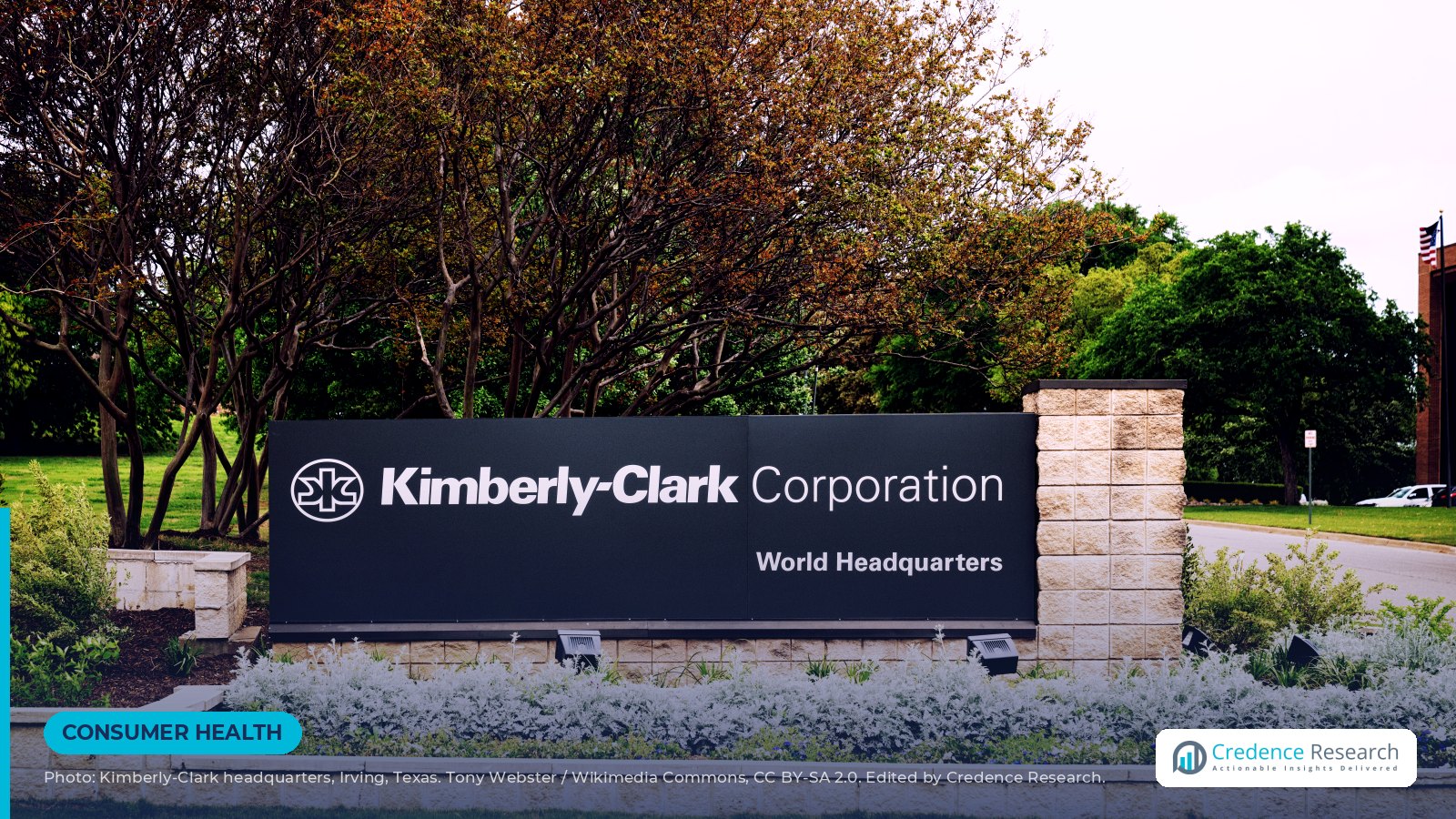
Kimberly-Clark completed its acquisition of Kenvue on Nov. 2, closing a deal first announced a year ago and bringing Tylenol, Listerine, Neutrogena and Johnson's Baby under the same owner as Huggies and Kleenex. The company, based in Irving, Texas, said Kenvue shares stopped trading on the New York Stock Exchange at the market open Monday, and a regulatory filing the same day disclosed a $3.1 billion integration program that will run through the end of 2029.
Key developments
- Kenvue shareholders receive $3.50 in cash and 0.14625 of a Kimberly-Clark share for each Kenvue share. Kimberly-Clark said it delivered or is obligated to deliver about 281.1 million shares in the transaction.
- The board approved a Kenvue Integration Program on Oct. 30, with expected pretax charges of about $3.1 billion, of which $2.5 billion is cash and $0.6 billion is non-cash.
- The company expects about $1.4 billion of capital spending tied to the program through Dec. 31, 2029.
- Kimberly-Clark reaffirmed run-rate synergies of about $2.1 billion, net of reinvestment.
- Three Kenvue directors joined a 13-member board led by Chairman and CEO Mike Hsu, with Sherilyn S. McCoy as lead independent director.
Deal background
The two companies announced the transaction on Nov. 3, 2025, at an enterprise value of about $48.7 billion, based on Kimberly-Clark's closing share price on Oct. 31, 2025. They said at the time that Kimberly-Clark shareholders would own about 54% of the combined company and Kenvue shareholders about 46%, on a fully diluted basis. Stockholders of both companies backed the deal at meetings in January, with preliminary tallies showing about 96% support among Kimberly-Clark shares present and about 99% of the votes cast at Kenvue's meeting.
Kenvue is the former consumer health arm of Johnson & Johnson, which separated it as an independent public company in 2023. Its portfolio spans over-the-counter medicine, skin care, wound care and oral care, including Aveeno and Band-Aid. Kimberly-Clark built its business around absorbent personal care and tissue products such as Huggies, Depend, Kotex, Cottonelle and Scott.
Kimberly-Clark said the combined portfolio includes 10 billion-dollar brands: Huggies, Listerine, Cottonelle, Neutrogena, Depend, Tylenol, Kleenex, Johnson's Baby, Kotex and Scott. It described its focus as baby care, women's health and active aging.
Industry implications
The closing moves what Kenvue described as the world's largest pure-play consumer health company by revenue into a group whose history lies in paper and absorbent goods. That changes the operating profile of the buyer. Over-the-counter medicines bring drug manufacturing rules, pharmacovigilance duties and regulatory interactions that differ from those governing diapers and tissue, so Kimberly-Clark now has to run both disciplines at scale inside one organization.
The deal also tests a broader idea in consumer products: that scale across adjacent household needs can create more value than the focused, pure-play structures many companies pursued in recent years. Kenvue itself was created through that kind of separation. Three years after its listing, it has been absorbed into a broader group. Hsu called the closing a defining moment in the company's 154-year history and said the group intends to "lead the future of consumer health."
Competitive and supply chain implications
The combination gives Kimberly-Clark a wider set of categories to take to large retailers and pharmacy chains, where it will meet rivals such as Procter & Gamble, Haleon, Reckitt and Essity across different aisles. The company said it will apply its Powering Care growth model to the Kenvue brands to speed product development and improve commercial execution. How much leverage a broader portfolio delivers in retailer negotiations will be one of the first practical tests of the deal.
The integration filing shows where the operational work sits. Of the $2.5 billion in expected cash charges, about $0.8 billion goes to supply chain network optimization, $0.6 billion to enterprise resource planning and technology integration, $0.4 billion to workforce optimization, $0.4 billion to advisory services and $0.3 billion to program management and other costs. The supply chain line is the largest single item, which suggests changes in plants, warehousing and distribution that could reach contract manufacturers, packaging suppliers and logistics partners, though the filing does not name sites or job numbers.
Kimberly-Clark also said in 2025 that part of the cash consideration would come from selling a 51% interest in its International Family Care and Professional business, the tissue unit it agreed to place in a joint venture with Brazil's Suzano, keeping 49%. That move narrows its international tissue exposure as Kenvue's health and beauty lines come in.
Regional implications
Kimberly-Clark is reorganizing around four segments, with sales figures recast from 2025 combined net sales. North America accounts for about $18.0 billion. Europe, the Middle East and Africa accounts for about $5.0 billion. Asia Pacific Focus Markets, which cover Greater China, Australia and New Zealand, South Korea and Indonesia, account for about $4.3 billion. Enterprise Markets, which cover Latin America including Brazil, India, Southeast Asia and Japan, also account for about $4.3 billion.
North America therefore remains the center of gravity for the combined business, and it is where the overlap with large U.S. retailers matters most. Separating Asia Pacific Focus Markets from a broader Enterprise Markets group suggests different operating models by geography, with local leadership teams that the company said it built for this purpose. In the 2025 announcement, the companies said the group would keep Kimberly-Clark's Irving headquarters and maintain a significant presence in Kenvue's locations.
Credence Research analysis
The company's numbers set the terms for judging this deal. Kimberly-Clark expects about $1.9 billion in cost synergies within three years of closing and about $500 million in incremental profit from revenue synergies within four years, partly offset by about $300 million in reinvestment. Against that, it plans $2.5 billion in cash charges and about $1.4 billion in capital spending. The cost side is largely within management's control. The revenue side relies on Kimberly-Clark transferring its growth model to brands in categories where it has limited operating history, and it deserves closer scrutiny.
Balance sheet discipline is the second pressure point. The closing release says the company's debt rose substantially after the transaction and lists debt reduction, credit ratings and refinancing among its risks, without giving targets. Integration spending through 2029 will compete with deleveraging and with the brand investment that consumer health products need. The early signal to watch is whether Kimberly-Clark can protect marketing and innovation budgets at Kenvue while it restructures the supply base behind them.
What comes next
- First consolidated financial reporting under the new four-segment structure, for which the closing release gave no date.
- Decisions on supply chain network changes funded by the $0.8 billion allocation, including any plant or distribution moves.
- Nomination of new directors Richard E. Allison Jr., Larry J. Merlo and Kirk L. Perry at the 2027 annual meeting.
- Cost synergy capture within three years of closing and revenue synergy capture within four years.
- Completion of integration program actions by Dec. 31, 2029, with operating profit synergies targeted by 2030.
Sources
- Kimberly-Clark: Completion of Kenvue acquisition (Nov. 2, 2026)
- Kimberly-Clark Form 8-K, signed Nov. 2, 2026
- Kimberly-Clark: Deal announcement (Nov. 3, 2025)
- Joint release on shareholder approval (Jan. 29, 2026)
Image: Kimberly-Clark Corporation headquarters sign in Irving, Texas, by Tony Webster via Wikimedia Commons, CC BY-SA 2.0. Cropped and edited by Credence Research.

About the Author

Senior News Editor at Credence Research Inc