
TotalEnergies to Take 30% Operated Stake in Malaysia's Lang Lebah, B14 Gas Fields to Feed Malaysia LNG
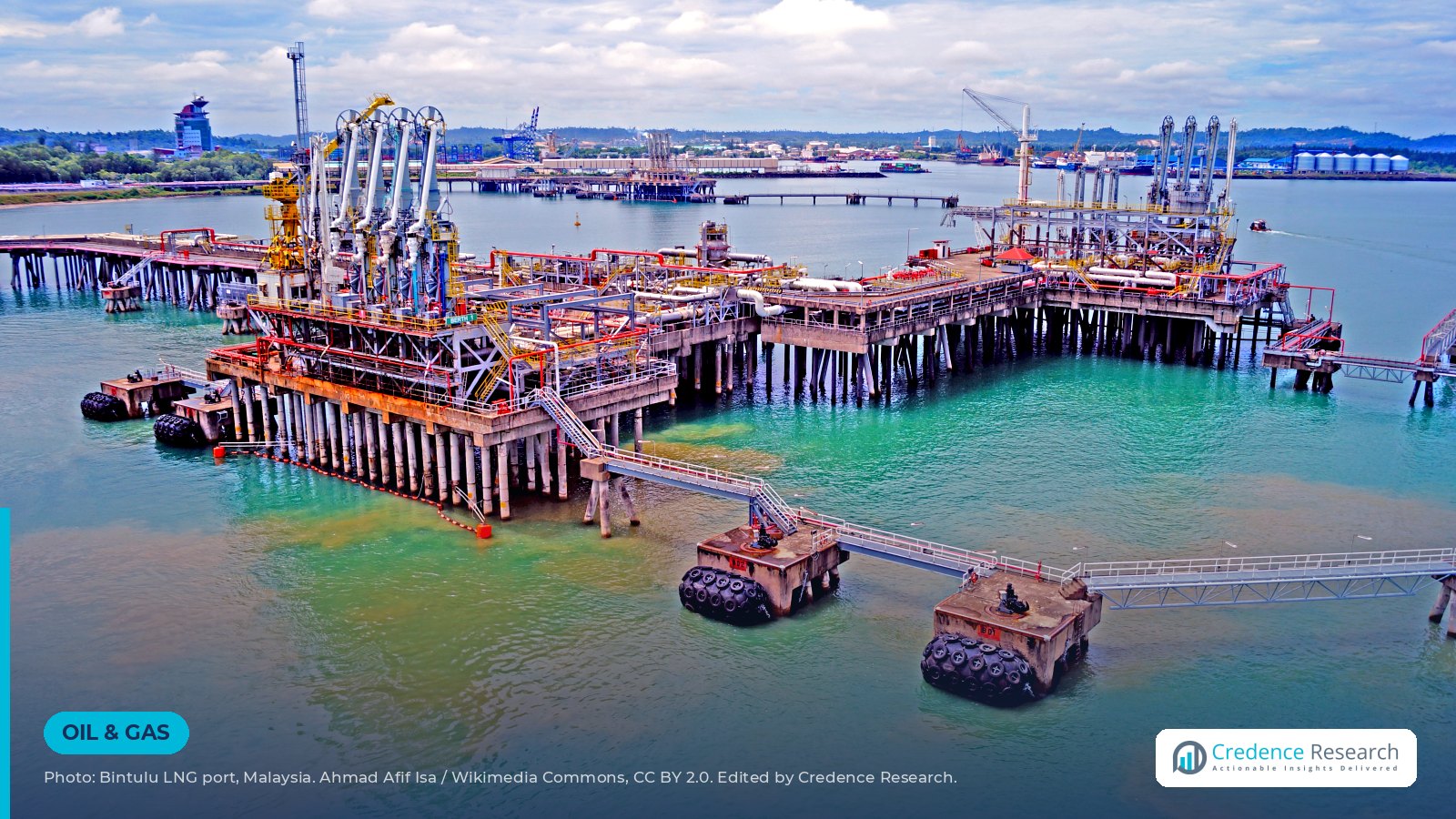
TotalEnergies has agreed to become operator of two major gas fields off Sarawak, Malaysia, taking a 30% interest in the Lang Lebah and B14 fields under agreements with Petronas Carigali, PTTEP and KUFPEC, the French energy company said Monday, Nov. 2, from Paris. The fields would be developed as one integrated project feeding the existing Malaysia LNG liquefaction plant. The company did not disclose a price, and completion still requires regulatory approvals.
Key developments
- TotalEnergies signed agreements with Petronas Carigali Sdn Bhd, PTTEP and KUFPEC to acquire a 30% operated interest in both fields.
- After completion, ownership would be TotalEnergies 30%, PTTEP 25%, KUFPEC 25% and Petronas Carigali 20%.
- The integrated development is expected to unlock more than 6.5 trillion cubic feet of gas, or more than 1 billion barrels of oil equivalent.
- TotalEnergies put the production plateau at about 10 billion cubic meters a year, with gas going to Malaysia LNG.
- The announcement gave no purchase price, closing date, final investment decision date or first gas date.
Field and project background
Lang Lebah sits in Block SK410B in the Central Luconia province, about 90 kilometers off Sarawak, according to The Edge Malaysia. Offshore Technology reports that the production sharing contract dates to July 2016, that the discovery well was drilled in March 2019 and that an appraisal well followed in January 2021. Water depths in the block range from 50 to 100 meters, the publication said.
The project has moved slowly. Offshore Technology's project profile lists a 2023 investment decision and 2027 start-up as earlier expectations. The Edge reported in late 2025 that PTTEP scrapped several contracts and tenders in February 2025 and pushed the investment decision to 2026 while re-engineering the project because of high costs. The same report said KUFPEC might sell its holding and named TotalEnergies as the potential buyer, although neither company confirmed talks at the time.
The earlier design described by Offshore Technology called for wellhead platforms, a central processing platform, a 42-inch trunk line and an onshore gas plant at Bintulu with carbon capture, with the carbon dioxide piped back offshore for reinjection. The target reservoirs contain hydrogen sulfide. TotalEnergies did not say Monday how much of that concept will survive, and it did not detail the B14 field beyond describing it as nearby.
Industry implications
The agreements matter most for what they say about backfill supply. Liquefaction plants need a steady flow of new gas as older fields decline, and a discovery of this size tied to an existing plant avoids the cost of building a new export terminal. Chief Executive Patrick Pouyanné framed the deal in those terms, saying the project would create another large-scale gas hub in Malaysia by leveraging shared infrastructure.
A change of operator is also a meaningful event for a project that has already been redesigned once on cost grounds. Sour gas and carbon handling demand specialized engineering, and contractors will now watch for how TotalEnergies approaches the scope. Reservoir and processing decisions made in the next phase will shape the project's cost base for decades. Until a final investment decision is announced, the 6.5 trillion cubic feet remains a development target and not sanctioned supply.
Competitive and supply chain implications
The transaction reshapes the partner group. The Edge reported PTTEP HK Offshore and KUFPEC at 42.5% each and Petronas Carigali at 15% in Block SK410B, with Offshore Technology listing PTTEP as operator. Monday's figures point to smaller positions for the Thai and Kuwaiti companies and a larger one for the Petronas unit, although TotalEnergies did not explain how interests shift field by field or who sold what.
For TotalEnergies, the deal extends a steady Malaysian buildup. The company has worked in the country since 1985. It bought SapuraOMV Upstream in 2024, which it says made it Malaysia's third-largest gas producer, and it expanded its Petronas partnership in 2025. It also holds a 2023 carbon dioxide storage agreement with Petronas and Mitsui, an arrangement relevant to high-carbon gas in the region.
The supply chain effect will arrive through tendering. Rebid fabrication, pipeline and onshore packages would be the visible first step if the concept changes, and Malaysian yards and engineering firms would be natural bidders. Neighboring gas development may compete for the same offshore capacity: Rigzone reported Monday that Eni and Petronas's Searah venture started the Maha field offshore Indonesia, with further hubs tied to Bontang LNG still to come.
Regional implications
Sarawak is the center of this story in more ways than geology. Energy Intelligence reported in January that Petronas was seeking judicial relief from 120 million ringgit in penalties imposed on five subsidiaries, part of a long-running contest with the state over gas governance, with the Bintulu LNG complex at its center. The Edge also noted unconfirmed speculation that the dispute contributed to Lang Lebah's delay. TotalEnergies' announcement did not address the issue, and it did not name the regulators whose approval is required.
For Thailand and Kuwait, the deal keeps PTTEP and KUFPEC in a sizable Malaysian gas asset, at smaller stakes than The Edge reported for Block SK410B, though terms remain private. For Malaysia, a new international operator on a large undeveloped resource supports the case that Sarawak gas can still attract outside capital despite the governance questions.
Credence Research analysis
The most useful reading of this deal is as a transfer of execution risk. A project that lost its earlier schedule to cost pressure now has an operator with a large LNG business, a local production base and an existing relationship with Petronas. That combination improves the odds of a sanctioned project, but the announcement stops short of promising one. The absence of any date for an investment decision or first gas is the most important omission in the release, and it should temper any assumption that volumes are close.
Two questions now matter more than the headline stake. The first is whether the redesign can bring costs down while handling hydrogen sulfide and carbon dioxide to acceptable standards, since carbon storage may decide the project's economics and its acceptability to buyers. The second is whether federal and state authorities give a clear path on approvals and gas supply terms. TotalEnergies' 30% position is modest for an operator, which suggests the company values control of execution and access to the hub concept as much as barrels on its books. Those are the signals worth tracking over the next year.
What comes next
- Regulatory approvals for the transactions, which TotalEnergies said remain outstanding without giving a timetable.
- Completion of the transfer and handover of operatorship.
- Any revised development concept for the integrated Lang Lebah and B14 project, along with new engineering and construction tenders.
- A final investment decision and a first gas date, neither of which has been announced.
- Developments in the Petronas and Sarawak gas governance dispute that could affect supply arrangements for Bintulu.
Sources
- TotalEnergies: Malaysia: TotalEnergies signs agreements to acquire operated interest in two major offshore gas fields
- The Edge Malaysia: Lang Lebah ownership and development report
- Offshore Technology: Lang Lebah field development, SK410B
- Energy Intelligence: Petronas-Sarawak dispute tightens around Bintulu LNG
Image: Bintulu LNG port in Sarawak, Malaysia, by Ahmad Afif Isa via Wikimedia Commons, CC BY 2.0. Cropped and edited by Credence Research.

About the Author

Senior News Editor at Credence Research Inc