
Samsung SDI to Supply 16 GWh of U.S.-Made LFP Storage Batteries to Jupiter Power
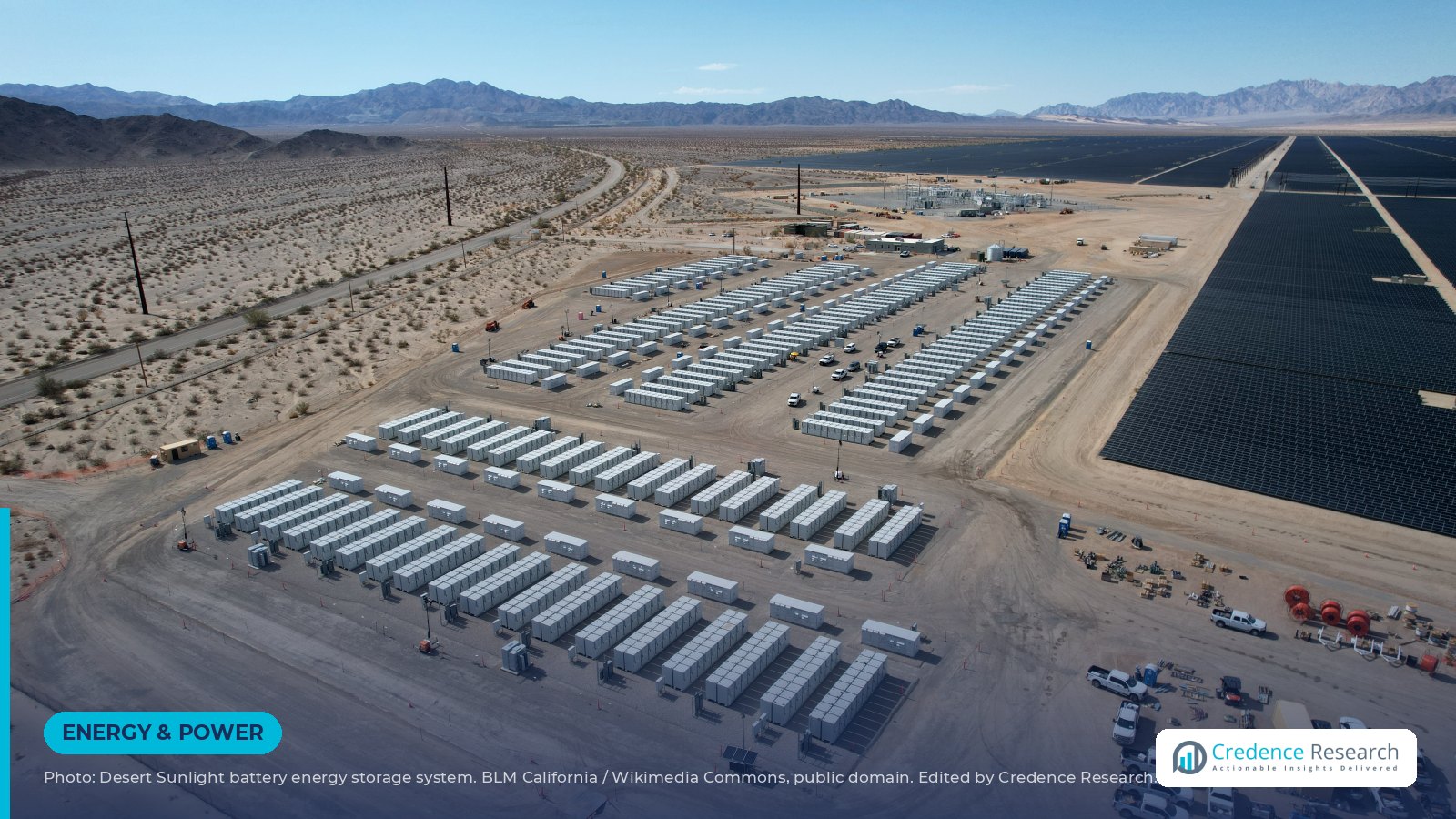
Samsung SDI has secured one of the largest U.S. orders yet for American-made grid storage cells. The South Korean battery maker said Nov. 16, 2026, that its U.S. subsidiary, Samsung SDI America, signed a three-year agreement to supply 16 gigawatt-hours of lithium iron phosphate (LFP) batteries to Jupiter Power, a Texas-based developer and operator of utility-scale energy storage. Deliveries start in 2029, and the batteries will be built at StarPlus Energy, the company's joint venture plant with Stellantis in Indiana.
Key developments
- Samsung SDI America will supply 16 GWh of LFP batteries for Jupiter Power's U.S. energy storage system (ESS) projects over three years beginning in 2029, according to Samsung SDI's newsroom.
- Samsung SDI did not disclose the contract value; its release describes the order as worth several trillion won.
- Production is assigned to the StarPlus Energy plant in Indiana, where Samsung SDI recently started LFP mass production on lines converted from electric vehicle batteries, according to Korean media reports.
- Including earlier agreements, the two companies' contracted volume now totals about 27 GWh, Yonhap reported via the Korea JoongAng Daily.
- The deal lands one day before Samsung SDI exhibits its LFP container system, Samsung Battery Box 2.0, at the RE+ 2026 trade show in Las Vegas, which runs Nov. 17-19.
Industry background
Utility-scale battery storage has become one of the fastest-moving parts of the U.S. power system. Developers use large container systems to absorb solar and wind output, shift it into evening peaks and provide fast grid services, and LFP chemistry has become the default choice for these projects because it is cheaper, more thermally stable and longer-lived than the nickel-rich chemistries used in many electric vehicles. For years nearly all of that LFP supply came from China.
Samsung SDI has spent the past year rebuilding its U.S. footprint around that shift. In December 2025 it announced a deal worth well over 2 trillion won to supply LFP storage batteries to an unnamed U.S. customer for three years starting in 2027, and said it was converting some EV production lines to ESS output. In March 2026 it disclosed a 1.5 trillion won prismatic ESS order from another U.S. energy company, starting with nickel-cobalt-aluminum cells at StarPlus Energy and moving later to LFP. That same month it signed a mid- to long-term LFP cathode supply deal with Korea's L&F, and in October it added a 1 GWh agreement with Alpha Omega Power.
Jupiter Power, which Yonhap describes as owned by BlackRock, has been building out projects in Texas and other markets. The company has announced $1.4 billion in project financing for 10 utility-scale battery projects, with closings between April and July 2026, and a $500 million upsized corporate credit facility in January 2026.
Industry implications
The order matters most as a signal about how U.S. storage developers are buying. A developer committing to 16 GWh of cells three years ahead of delivery is locking in both price and origin, and Jupiter Power's chief executive, Andy Bowman, framed the choice around reliable domestically manufactured equipment and project risk management, according to Samsung SDI's statement as reported by Korean media. That reflects tighter federal tax credit rules: under the One Big Beautiful Bill Act, projects must limit content tied to Chinese entities to claim credits, AJU Press reported.
For Samsung SDI, the deal turns a defensive pivot into a growth line. Slower electric vehicle demand left North American battery capacity underused, and the conversion of StarPlus lines to storage cells gives the company a way to fill that capacity with customers whose projects are tied to data center load growth and grid reliability. Fabrice Hudry, who leads Samsung SDI America's ESS team, said the order reflects the competitiveness and supply capacity of U.S.-made prismatic LFP batteries.
Competitive and supply chain implications
Samsung SDI says it is the only non-Chinese maker of prismatic storage batteries in North America, a claim that sets it apart from pouch and cylindrical formats used by some rivals. LG Energy Solution has also moved to produce LFP storage cells in the United States, and Korean producers are now competing directly for the same developer contracts that Chinese suppliers once dominated. Large multi-year orders such as this one tend to anchor plant utilization and give suppliers leverage when negotiating materials.
Upstream, Samsung SDI sources LFP cathode material from L&F and POSCO Future M, according to Korean media, building a supply chain that avoids Chinese cathode producers. Lithium, phosphate and graphite inputs remain the harder links to localize, and the 2029 start date leaves time for the company and its suppliers to qualify additional sources. For Stellantis, the shift means the Indiana joint venture plant is earning revenue from grid customers while its own EV programs ramp more slowly than first planned.
Regional implications
Indiana stands to benefit most directly. StarPlus Energy's plant was conceived as an EV battery site, and storage orders now give it a second customer base that can protect jobs and keep lines running through uneven car demand. The deal also strengthens the Midwest's role as a battery hub alongside Michigan, Ohio and Tennessee.
Texas is the likely destination for much of the output, given Jupiter Power's home market in the ERCOT grid, where storage has become a key tool for managing evening peaks. In South Korea, the order supports Samsung SDI at a time when Korean battery makers are reporting pressure from weaker EV sales and are looking to energy storage to steady their order books.
Credence Research analysis
The contract shows that U.S. storage procurement is shifting from spot purchases of imported cells toward long-dated offtake from domestic plants. A 2029 start gives Jupiter Power supply visibility through the early 2030s and gives Samsung SDI a firm base to justify further line conversions in Indiana. The undisclosed price is the key unknown; domestically made LFP cells have historically cost more than Chinese imports, and the tax credit benefit of compliant content is what closes that gap for developers.
The bigger test is execution. Samsung SDI is stacking several U.S. storage contracts onto a plant that only recently began LFP mass production, and on-time delivery, yields and fire safety performance will decide whether more developers follow. We see the deal as evidence that Korean cell makers can use storage to absorb surplus EV capacity, but the advantage depends on federal content rules remaining stable through the end of the decade.
What comes next
- Samsung SDI presents Samsung Battery Box 2.0 and its data center battery lineup at RE+ 2026 in Las Vegas, Nov. 17-19.
- Deliveries under the earlier Samsung SDI LFP storage contracts begin in 2027, ahead of the Jupiter Power supply.
- Further conversions of StarPlus Energy lines from EV to ESS production remain possible as orders build.
- Jupiter Power is expected to assign the cells to specific U.S. projects ahead of first deliveries in 2029.
- Any change to federal rules on foreign-entity content for storage tax credits would affect the economics of domestic supply.
Sources
- Samsung SDI Newsroom (Korean): 16 GWh LFP supply agreement with Jupiter Power
- Samsung SDI: Over KRW 2 trillion ESS LFP battery supply deal in the U.S. (Dec. 10, 2025)
- Samsung SDI: KRW 1.5 trillion ESS prismatic battery supply deal (March 16, 2026)
- The Korea Herald: Samsung SDI to supply LFP ESS batteries to Jupiter Power
Image: Desert Sunlight battery energy storage system, by BLM California via Wikimedia Commons, public domain. Cropped and edited by Credence Research.

About the Author

Senior News Editor at Credence Research Inc