
Eight Features to Look for in Online Faxing
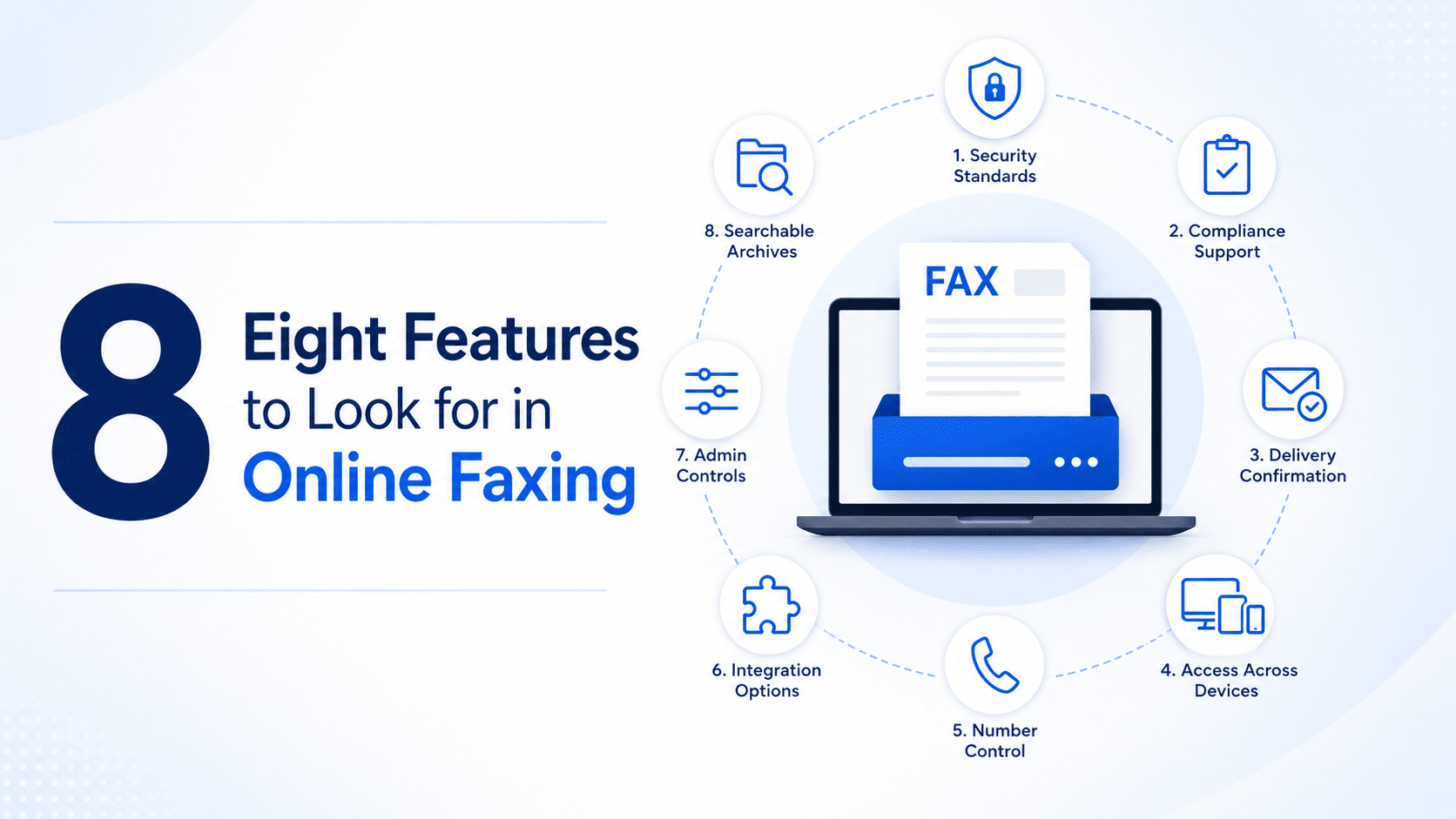
Faxing still carries legal weight in healthcare, finance, law, and human resources. Many offices no longer want toner, jammed trays, or idle floor machines, so web-based delivery has become the practical replacement. Choice still matters because one platform may offer tight privacy controls while another leaves gaps in storage, routing, or access to records. A careful review of core functions helps organizations protect sensitive files, steady document flow, and avoid costly process problems later.
Security Standards
Security belongs at the top of any buying review. Medical charts, payroll forms, contracts, and claim records can expose private details with a single mistake. Many buyers assess an eFax online fax service. They check for encrypted transmission, secured storage, login safeguards, and traceable activity history. Those controls help staff confirm who sent a file, who opened it, and when a transfer occurred. Clear records also support internal investigations after an incident.
Compliance Support
Convenience means little if a service cannot support record duties. Hospitals may need strict privacy measures, while schools, lenders, and law firms face separate retention demands. Strong platforms offer audit logs, access histories, document retention settings, and policy controls that match regulated work. Buyers should also look for clear statements about supported standards, as vague language can create risks during reviews, inspections, or contract checks.
Delivery Confirmation
Sending a file is only half the task. Teams also need proof that a document reached the right destination at the right time. Reliable services show timestamps, receipt records, failed attempts, and retry notices on a single dashboard. That visibility reduces follow-up calls and helps staff fix wrong numbers quickly. It also provides administrators with useful evidence if a client, patient, or vendor questions whether a record was received.
Access Across Devices
Work rarely stays tied to one desk all day. Reliable online faxing should function well on phones, tablets, laptops, browsers, and shared office systems without awkward setup. Staff can then send signed forms after appointments, review incoming pages during travel, and retrieve records from home. Broad device support keeps urgent paperwork moving when schedules shift, buildings close early, or teams split time between remote and on-site work.
Number Control
A growing company may need several fax numbers for different departments, offices, or service lines. A capable platform should support local, toll-free, and international options, with simple assignment for each user group. Centralized number management helps administrators add lines, remove inactive ones, and route traffic by team or case type. That structure reduces confusion as volume rises and gives clients a clearer path when sending time-sensitive material.
Integration Options
Faxing creates fewer delays when it fits existing workflows. Email-based sending, contact syncing, cloud storage links, and software connections can reduce extra steps for front-office staff and back-office teams. Fewer handoffs also lower the chance of typing errors in names, numbers, or case details. Before signing a contract, buyers should verify which tools connect directly and which tasks still require manual handling during busy intake periods.
Admin Controls
Shared communication systems need close oversight. Administrators should be able to assign roles, limit outbound rights, manage sign-ins, reset access, and review account activity from one central dashboard. Those settings protect sensitive information while keeping daily work orderly. They also make staffing changes easier, because they can quickly update permissions without touching every workstation. Strong reporting gives managers a clearer view of unusual behavior and internal accountability.
Searchable Archives
Old faxes often matter long after transmission ends. A practical service stores records in an organized archive with filters for date, sender, recipient, status, or user. Quick search saves time during audits, disputes, patient follow-ups, and client requests. Retention settings should also be simple to adjust, so organizations keep the required material without burying staff under outdated files. Quick retrieval improves response time and supports more consistent service quality.
Final Thoughts
Online faxing should reduce friction without creating fresh exposure. The strongest services combine privacy controls, compliance support, dependable delivery records, broad device access, flexible number management, useful integrations, firm administration, and searchable archives in one clear system. Organizations that compare those areas carefully can avoid expensive workarounds, weaker oversight, and preventable delays later. A thoughtful choice supports steadier document handling, stronger record protection, and better visibility across daily operations.
Online Fax Market Forecast: Significant Growth Ahead
According to a comprehensive industry report by Credence Research, Inc., the global online fax market is experiencing a powerful digital transformation. The market size was valued at USD 4,177.5 million in 2024 and is anticipated to reach an impressive USD 11,027.27 million by 2032. This robust expansion represents a compound annual growth rate (CAGR) of 12.9% during the forecast period.
This projected surge highlights the enduring relevance of faxing, reimagined for the cloud era. Organizations across highly regulated sectors, such as healthcare, legal, and finance, continue to rely heavily on fax protocols to securely transmit sensitive documents and maintain strict compliance standards. However, traditional, legacy fax machines are rapidly being replaced by cloud-based alternatives.
The market's upward trajectory is primarily driven by the corporate shift toward remote work, a widespread desire to cut paper and hardware maintenance costs, and the seamless integration of digital fax workflows into modern enterprise software. By blending the legal validity of traditional faxing with the speed, mobility, and security of modern email, online faxing has firmly established itself as an essential tool for contemporary business communication.