Germany Platelet Rich Plasma Market Size, Share and Forecast 2032

Germany Platelet Rich Plasma (PRP) market size was valued at USD 65.13 million in 2024 and is projected to reach USD 171.28 million by 2032.

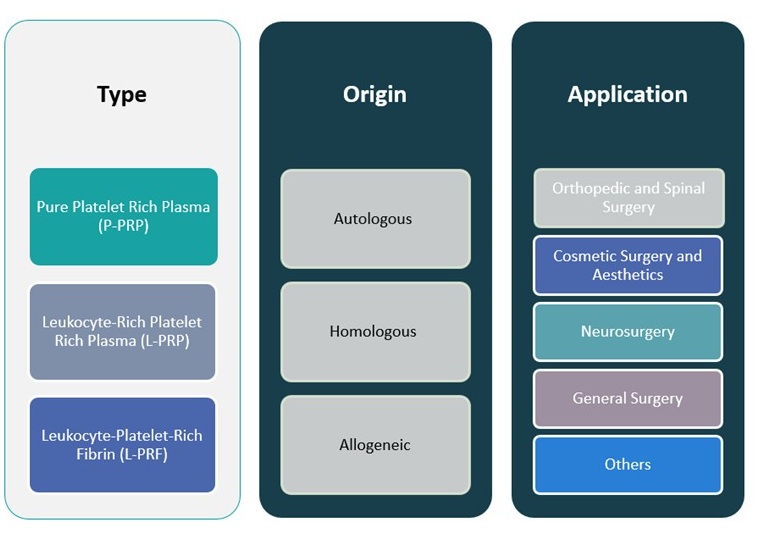
Germany Platelet Rich Plasma (PRP) Market By Type (Pure Platelet Rich Plasma (P-PRP), Leukocyte-Rich Platelet Rich Plasma (L-PRP), Leukocyte-Platelet-Rich Fibrin (L-PRF)); By Origin (Autologous, Homologous, Allogeneic); By Application (Orthopedic and Spinal Surgery, Cosmetic Surgery and Aesthetics, Neurosurgery, General Surgery, Others) – Growth, Share, Opportunities & Competitive Analysis, 2024 – 2032

SKU: CR13485Report Pages: 250Category: HealthcareReport Format: PDF, ExcelLast Updated: May 21Author: Shweta BishtPreferred on

Market Report Metrics

Revenue, 2024 -
USD 65.13 million
Forecast Year -
2032
CAGR (2024–2032)
12.85%
Report Coverage
Country
REPORT ATTRIBUTE DETAILS
Historical Period 2020-2023
Base Year 2024
Forecast Period 2025-2032
Germany Platelet Rich Plasma (PRP) Market Size 2024 USD 65.13 million
Germany Platelet Rich Plasma (PRP) Market, CAGR 12.85%
Germany Platelet Rich Plasma (PRP) Market Size 2032 USD 171.28 million

Market Overview:

The Germany Platelet Rich Plasma (PRP) Market is projected to grow from USD 65.13 million in 2024 to an estimated USD 171.28 million by 2032, with a compound annual growth rate (CAGR) of 12.85% from 2024 to 2032.

Several factors contribute to the rapid growth of the PRP market in Germany. The increasing prevalence of musculoskeletal disorders, sports injuries, and chronic conditions has heightened the demand for effective regenerative treatments. PRP therapy, known for its potential to accelerate healing and tissue regeneration, offers a promising alternative to traditional surgical interventions. Moreover, the rising popularity of aesthetic procedures, such as hair restoration and skin rejuvenation, has expanded the application of PRP in cosmetic dermatology. Technological advancements in PRP preparation techniques and the growing body of clinical evidence supporting its efficacy further drive market growth. These developments have also led to higher patient acceptance, as non-invasive treatments become increasingly preferred over traditional options. The growing focus on personalized medicine, where treatments are tailored to individual patients, is another significant factor driving the expansion of PRP therapies.

Germany stands as a leader in the European PRP market, accounting for a significant share of the regional revenue. The country's well-established healthcare system, coupled with a high level of medical expertise, facilitates the widespread adoption of PRP therapies. Urban centers like Berlin, Munich, and Hamburg serve as hubs for advanced medical treatments, attracting patients seeking innovative solutions. Additionally, Germany's commitment to medical research and development fosters an environment conducive to the advancement of PRP technologies. The growing aging population and increasing participation in sports activities further augment the demand for PRP treatments, positioning Germany as a key player in the European PRP market. Furthermore, Germany's healthcare policies and reimbursement structures support the adoption of cutting-edge therapies like PRP, which further strengthens its position as a leader in the market.

Market Insights:

  • The Germany Platelet Rich Plasma (PRP) Market is projected to grow from USD 65.13 million in 2024 to USD 171.28 million by 2032, with a compound annual growth rate (CAGR) of 12.85% from 2024 to 2032.
  • The global Platelet Rich Plasma (PRP) market is projected to grow from USD 729.75 million in 2024 to USD 1,895.64 million by 2032, at a CAGR of 12.67% during the forecast period.
  • Increasing prevalence of musculoskeletal disorders, sports injuries, and chronic conditions is significantly driving demand for effective PRP treatments.
  • Rising popularity of aesthetic procedures such as hair restoration and skin rejuvenation is expanding the application of PRP in cosmetic dermatology.
  • Technological advancements in PRP preparation techniques have enhanced treatment effectiveness, leading to greater patient satisfaction and increasing adoption rates.
  • The growing focus on personalized medicine, where treatments are tailored to individual patients, further drives PRP market growth.
  • Germany’s well-established healthcare infrastructure, regulatory frameworks, and high medical expertise foster widespread adoption of PRP therapies.
  • Regulatory and standardization challenges, as well as high treatment costs and limited insurance coverage, remain barriers to broader adoption and market growth.

Report scope

This report segments the Germany Platelet Rich Plasma (PRP) Market  as follow

Germany Platelet Rich Plasma (PRP) Market

Market Drivers:

Rising Demand for Minimally Invasive Treatments

The demand for minimally invasive medical procedures is one of the key drivers of the Germany Platelet Rich Plasma (PRP) Market. Patients increasingly prefer non-surgical options due to shorter recovery times and reduced risk of complications. PRP therapy offers a less invasive alternative to traditional surgeries, especially in orthopedic and musculoskeletal treatments. The growing acceptance of non-invasive procedures across various medical fields, including dermatology and aesthetics, boosts its adoption. This trend is driven by the increasing awareness of the benefits of PRP, such as faster recovery and fewer side effects compared to surgical treatments. As the healthcare sector continues to shift toward these advanced therapies, PRP has gained popularity, especially in Germany, known for its high-quality medical care.

Advancements in Medical Technology and Techniques

Technological advancements play a crucial role in driving the growth of the Germany Platelet Rich Plasma (PRP) Market. Innovations in PRP preparation and administration techniques have made treatments more efficient and effective. The development of advanced centrifugation technologies and improved platelet concentration methods has increased the precision of PRP treatments. These advancements have led to higher success rates and greater patient satisfaction, contributing to the growing adoption of PRP in clinical practices. In Germany, where medical technology is at the forefront, these innovations have allowed PRP therapies to expand beyond orthopedic applications into other fields such as cosmetic dermatology and regenerative medicine.

  • For instance, ANOVA Institute for Regenerative Medicine in Germany offers combinational therapy with PRP and stem cells, utilizing advanced preparation techniques to enhance treatment efficacy for conditions like osteoarthritis and sports injuries.

Increased Awareness of Regenerative Medicine

The increasing awareness of regenerative medicine is another major driver for the Germany Platelet Rich Plasma (PRP) Market. Regenerative treatments, including PRP, are gaining recognition for their ability to promote tissue healing and regeneration without the need for invasive surgery. Patients with chronic conditions, musculoskeletal injuries, and age-related disorders are increasingly seeking these solutions, particularly in aging populations. As patients become more knowledgeable about the potential of PRP therapy, demand for these treatments continues to grow. In Germany, the growing acceptance of regenerative medicine contributes to the market’s expansion, especially with an increasing number of healthcare providers offering PRP therapy as part of their treatment options.

Supportive Healthcare Infrastructure and Regulations

Germany's well-established healthcare infrastructure and favorable regulatory environment support the growth of the PRP market. The country’s strong healthcare system ensures that cutting-edge treatments like PRP are accessible to patients across the nation. Healthcare providers benefit from robust regulatory frameworks that ensure the safety and efficacy of treatments. The German government’s focus on enhancing healthcare delivery, along with stringent medical device regulations, guarantees high standards of care. These factors make Germany an attractive market for PRP therapies, fostering trust among patients and clinicians. The supportive healthcare environment is pivotal in driving the increasing adoption of PRP in the country.

  • For instance, in Germany, PRP treatments are regulated under specific guidelines that allow licensed medical professionals, including dermatologists and orthopedic specialists, to administer these therapies, ensuring standardized practices and patient safety.

Market Trends:

Expansion of PRP Applications Across Multiple Medical Fields

The Germany Platelet Rich Plasma (PRP) Market is witnessing a growing trend in the expansion of PRP applications beyond orthopedics. Originally used for musculoskeletal and sports-related injuries, PRP is increasingly being adopted in dermatology and aesthetics for hair restoration and facial rejuvenation. The ability of PRP to stimulate tissue repair and regeneration makes it highly sought after for cosmetic treatments. PRP therapy has proven effective for hair regrowth in patients suffering from alopecia and is used in skin treatments to reduce wrinkles and promote collagen production. This diversification of applications is a key trend driving the growth of the PRP market in Germany, as demand for non-invasive cosmetic treatments rises.

  • For instance, a systematic review of seven randomized controlled trials indicated that autologous platelet-rich plasma therapy was associated with a significant increase in hair density compared to placebo, demonstrating its efficacy in treating pattern hair loss.

Technological Advancements Enhancing PRP Efficacy

Technological advancements are a significant trend shaping the Germany Platelet Rich Plasma (PRP) Market. The continuous development of more precise and efficient techniques for PRP preparation and administration has increased its effectiveness. Improvements in centrifugation methods and platelet concentration processes have resulted in higher-quality PRP with enhanced healing potential. These innovations have led to better patient outcomes, contributing to increased demand for PRP treatments. Germany’s strong focus on medical technology ensures that healthcare providers can utilize the most advanced equipment, further driving the adoption of PRP therapy in the country.

Integration of PRP with Other Therapies

An emerging trend in the Germany Platelet Rich Plasma (PRP) Market is the integration of PRP therapy with other treatments to improve overall results. The synergy between PRP and other treatments allows healthcare providers to offer more comprehensive and personalized care to patients, particularly in orthopedic, dermatology, and aesthetic treatments. As the integration of PRP with complementary therapies becomes more common, it further accelerates the market's growth.

  • For instance, PRP is increasingly used in combination with stem cell therapy, hyaluronic acid injections, and other regenerative medicine techniques. This combined approach enhances the regenerative capabilities of each therapy, leading to more successful patient outcomes

Growing Popularity of PRP in Anti-Aging Treatments

The demand for PRP in anti-aging treatments is another notable trend in the Germany Platelet Rich Plasma (PRP) Market. With the increasing desire for minimally invasive alternatives to traditional cosmetic procedures, PRP has gained significant popularity in the field of anti-aging. PRP therapy’s ability to rejuvenate the skin, promote collagen production, and reduce fine lines makes it an attractive option for aging individuals. In Germany, where there is a high level of awareness about aesthetic treatments, the popularity of PRP for anti-aging purposes continues to rise. This growing trend reflects the broader shift towards more natural, non-invasive cosmetic procedures.

Market Challenges Analysis:

Regulatory and Standardization Challenges

One of the key challenges in the Germany Platelet Rich Plasma (PRP) Market is the lack of standardized protocols for PRP preparation and administration. The absence of uniform guidelines on the preparation methods, platelet concentration, and volume of PRP used can lead to variations in treatment outcomes. While PRP is widely recognized for its therapeutic benefits, the inconsistency in procedures raises concerns about its efficacy and safety. This lack of standardization can also pose challenges for healthcare providers in ensuring consistent results for patients. Regulatory bodies in Germany continue to review and refine the standards for PRP treatments, but the process remains slow. Such regulatory uncertainties can hinder the market's growth, as healthcare providers may hesitate to adopt PRP therapy without clear, standardized protocols.

High Treatment Costs and Limited Insurance Coverage

Another challenge facing the Germany Platelet Rich Plasma (PRP) Market is the high cost of PRP treatments, which may limit its accessibility to a broader patient base. The cost of the procedure, which includes the preparation of PRP and specialized equipment, can be prohibitive for many individuals. While PRP therapy has proven effective, it remains a largely out-of-pocket expense for most patients, as insurance companies often do not cover the treatment. This financial barrier can discourage potential patients from opting for PRP, particularly in economically sensitive populations. Despite its benefits, the lack of widespread insurance coverage continues to pose a challenge, limiting the potential growth of the PRP market in Germany.

  • For instance, in Germany, PRP treatments are typically not covered by statutory health insurance, as they are often classified as aesthetic or alternative treatments. Consequently, patients must bear the full cost, with prices ranging from €200 to €600 per session depending on the treatment area and clinic.

Market Opportunities:

The growing demand for non-invasive aesthetic treatments presents significant opportunities for the Germany Platelet Rich Plasma (PRP) Market. With an increasing number of individuals seeking alternatives to traditional cosmetic surgery, PRP’s ability to rejuvenate skin and reduce signs of aging has made it an attractive option. The rising awareness of minimally invasive treatments that offer faster recovery and fewer risks positions PRP therapy as a key player in the anti-aging sector. As more consumers look for natural solutions to maintain youthful appearances, PRP’s popularity in dermatology and aesthetic procedures is expected to continue expanding. This trend creates a substantial growth opportunity for providers of PRP treatments across the country.

Expanding the application of PRP in new medical fields presents another growth opportunity for the Germany Platelet Rich Plasma (PRP) Market. Beyond orthopedics and dermatology, PRP’s potential in regenerative medicine, including applications in dentistry and wound healing, offers new avenues for market growth. As research into the regenerative properties of PRP continues to evolve, additional medical uses are likely to emerge. Healthcare providers in Germany can capitalize on these opportunities by incorporating PRP therapies into a broader range of treatment options, thus increasing its adoption across various sectors. This expansion into new applications promises to enhance the market's growth prospects.

Market Segmentation Analysis:

The Germany Platelet Rich Plasma (PRP) Market is segmented based on type, origin, and application, each contributing to its growth.

By Type: The market includes various forms of PRP, with Pure Platelet Rich Plasma (P-PRP) leading the demand. P-PRP is highly concentrated in platelets, making it effective for tissue regeneration and healing. Leukocyte-Rich Platelet Rich Plasma (L-PRP) is gaining traction due to its ability to stimulate inflammation and promote healing, especially in orthopedic treatments. Leukocyte-Platelet-Rich Fibrin (L-PRF), known for its fibrin matrix, is used primarily for dental and surgical applications.

By Origin: Autologous PRP, derived from the patient's own blood, dominates the market due to its safety profile and reduced risk of complications. Homologous and Allogeneic PRP are less common, with homologous PRP used in cases where patients cannot provide a sufficient sample. Allogeneic PRP is being explored for broader therapeutic uses but remains limited due to regulatory constraints.

By Application: Orthopedic and spinal surgery account for the largest share in the market, with PRP widely used for tendon injuries, osteoarthritis, and ligament repair. Cosmetic surgery and aesthetics also contribute significantly, with PRP gaining popularity for skin rejuvenation and hair restoration. Other applications, including neurosurgery and general surgery, are growing but remain smaller in comparison to orthopedic uses.

Segmentation:

By Type:

  • Pure Platelet Rich Plasma (P-PRP)
  • Leukocyte-Rich Platelet Rich Plasma (L-PRP)
  • Leukocyte-Platelet-Rich Fibrin (L-PRF)

By Origin:

  • Autologous
  • Homologous
  • Allogeneic

By Application:

  • Orthopedic and Spinal Surgery
  • Cosmetic Surgery and Aesthetics
  • Neurosurgery
  • General Surgery
  • Others

Regional Analysis:

The Germany Platelet Rich Plasma (PRP) Market is predominantly driven by the strong healthcare infrastructure and medical advancements within the country. Germany holds the largest share of the European PRP market, accounting for over 30% of the regional market. The country’s high-quality medical facilities, coupled with a robust healthcare system, enable the widespread adoption of advanced treatments such as PRP. The growing demand for non-invasive medical procedures, particularly in orthopedics and aesthetic surgery, is a key factor contributing to this market dominance. Urban centers like Berlin, Munich, and Hamburg serve as primary hubs for PRP treatments, attracting both local and international patients.

Western Europe, including Germany, is witnessing significant market growth driven by an aging population and a rising preference for regenerative therapies. The PRP market in this region holds a substantial share, estimated at 40% of the European market. The expanding applications of PRP in various medical sectors, including orthopedic surgery, aesthetics, and dental treatments, fuel growth across Germany. Germany’s emphasis on innovation and medical research, along with its position as a leader in medical tourism, strengthens its position as the primary market for PRP in Europe.

While Germany dominates the European market, other regions within Europe are also seeing gradual growth in the PRP sector. Countries such as France, Italy, and the UK contribute to the broader regional market but lag behind Germany in adoption rates and market share. The availability of specialized treatments in Germany, along with the ease of access to cutting-edge technologies, ensures its market leadership. With the rising acceptance of PRP in regenerative medicine, other European nations are expected to follow Germany’s example, though it will remain the leading market in the foreseeable future.

Key Player Analysis:

  • Regenokine
  • Medira Ltd.
  • Arthrex GmbH
  • Zimmer Biomet
  • Johnson & Johnson Ltd.

Competitive Analysis:

The Germany Platelet Rich Plasma (PRP) Market is highly competitive, with numerous players offering advanced PRP technologies and treatment solutions. Leading global and regional companies such as Regen Lab, Dr. PRP, and EmCyte Corporation dominate the market. These companies focus on developing innovative PRP systems that improve platelet concentration, preparation efficiency, and overall treatment effectiveness. Competition is driven by advancements in PRP technology, with manufacturers striving to enhance the precision of PRP preparation and reduce treatment costs. Many companies also invest in research and clinical trials to expand the application of PRP in various medical fields, including orthopedics, dermatology, and dentistry. Strong distribution networks and collaborations with hospitals and clinics further strengthen their positions in the market. While larger players maintain a competitive edge, smaller and emerging companies also offer specialized PRP solutions, contributing to the market’s dynamic nature.

Recent Developments:

  • In April 2025, Arthrex, Inc. launched the ACP Max™ Platelet-Rich Plasma System, which builds on previous PRP devices by enabling a larger blood draw and higher platelet concentration through its unique double-syringe, double-spin design. This system is designed to efficiently concentrate platelets and growth factors for point-of-care use, marking a significant advancement in Arthrex’s PRP product offerings.
  • In January 2024, Arthrex showcased the use of its ACP Max system, which is designed for creating highly concentrated platelet-rich plasma (PRP) with low neutrophil content. This demonstration highlighted Arthrex’s commitment to advancing PRP technology for improved patient outcomes in regenerative medicine and orthopedic applications
  • In October 2024, Terumo Blood and Cell Technologies (Terumo BCT) entered a 10-year partnership with the Sanquin Blood Supply Foundation in the Netherlands to automate the country’s blood processing facilities using the Reveos™ Automated Blood Processing System. This agreement aims to enhance efficiency and increase the production of essential blood products, including platelets and plasma, by reducing manual steps and streamlining operations.

Market Concentration & Characteristics:

The Germany Platelet Rich Plasma (PRP) Market is moderately concentrated, with a few key players holding a significant share of the market. Leading companies dominate the industry through technological innovations and well-established distribution networks, providing a competitive edge in the advanced PRP systems. However, the market also includes a growing number of smaller, specialized firms offering customized PRP solutions. These companies often focus on niche segments, such as specific medical applications or regional markets, allowing them to carve out unique positions. The market is characterized by high technological advancements, with continuous efforts to enhance PRP preparation techniques and improve treatment outcomes. Strong competition exists among manufacturers to offer the most effective and efficient PRP systems. Regulatory frameworks in Germany ensure that only high-quality, safe products are available, reinforcing the market's focus on innovation and patient safety.

Report Coverage:

The research report offers an in-depth analysis based on type, origin, and application. It details leading market players, providing an overview of their business, product offerings, investments, revenue streams, and key applications. Additionally, the report includes insights into the competitive environment, SWOT analysis, current market trends, as well as the primary drivers and constraints. Furthermore, it discusses various factors that have driven market expansion in recent years. The report also explores market dynamics, regulatory scenarios, and technological advancements that are shaping the industry. It assesses the impact of external factors and global economic changes on market growth. Lastly, it provides strategic recommendations for new entrants and established companies to navigate the complexities of the market.

Future Outlook:

  • The Germany Platelet Rich Plasma (PRP) Market is expected to continue its strong growth driven by increasing demand for non-invasive treatments in orthopedics and aesthetics.
  • Advances in PRP preparation technologies will lead to more efficient treatments and higher success rates.
  • The expanding applications of PRP in regenerative medicine will drive market diversification, including uses in dental and neurosurgery.
  • Growing awareness of PRP benefits among patients will further increase adoption rates across various medical sectors.
  • The demand for PRP in cosmetic and anti-aging treatments will see significant growth, particularly in hair restoration and skin rejuvenation.
  • Germany’s robust healthcare infrastructure will continue to support the widespread adoption of PRP therapies.
  • Increasing competition among key market players will lead to innovations, lowering costs, and improving patient accessibility.
  • Regulatory frameworks in Germany will ensure high safety and quality standards, encouraging greater market trust.
  • Partnerships and collaborations with healthcare providers will expand PRP treatment availability across more clinics and hospitals.
  • The aging population in Germany will further fuel demand for regenerative treatments, making PRP a preferred solution for age-related musculoskeletal conditions.
Germany Platelet Rich Plasma Market Size, Share and Forecast 2032
Report Attribute Details
Details
Historical Period
-
Base Year
2024
Forecast Period
2024–2032
Germany Platelet Rich Plasma (PRP) Size 2024
USD 65.13 million
Germany Platelet Rich Plasma (PRP) CAGR
12.85%
Germany Platelet Rich Plasma (PRP) Size 2032
USD 171.28 million

Request a Free Sample

Fill in your details and we'll send you a free sample report.

  • Sample data tables & charts
  • Research methodology

Need a Custom Version of This Report?

Tailor the scope, geography, or segments to your exact requirements.

  • Custom geography or segment scope
  • Direct access to our analyst team

Frequently Asked Questions

What is the current size of the Germany Platelet Rich Plasma (PRP) Market?
The Germany Platelet Rich Plasma (PRP) Market is projected to grow from USD 65.13 million in 2024 to an estimated USD 171.28 million by 2032, with a compound annual growth rate (CAGR) of 12.85% from 2024 to 2032 reflecting increasing adoption of non-invasive treatments in various medical sectors.
What factors are driving the growth of the Germany Platelet Rich Plasma (PRP) Market?
The growth is driven by the rising prevalence of musculoskeletal injuries, increasing demand for non-invasive treatments, advancements in PRP technologies, and the growing popularity of aesthetic procedures like facial rejuvenation and hair restoration.
What are some challenges faced by the Germany Platelet Rich Plasma (PRP) Market?
Challenges include high treatment costs, lack of standardized protocols, and limited insurance coverage, which can restrict patient access to PRP therapies and hinder broader adoption.
Who are the major players in the Germany Platelet Rich Plasma (PRP) Market?
Key players include Regen Lab, EmCyte Corporation, and Dr. PRP, who dominate the market by offering advanced PRP systems and therapies across multiple medical fields, including orthopedics and aesthetics.

Table of Content

Chapter 1. Report Introduction

  • 1.1 Report Description & Purpose
    • 1.1.1 Report Title & Market Definition
    • 1.1.2 Unique Selling Propositions (USP) & Key Differentiators
    • 1.1.3 Value Proposition for Stakeholders
  • 1.2 Research Objectives
    • 1.2.1 Market Sizing Objectives (Volume & Revenue)
    • 1.2.2 Segmentation Objectives
    • 1.2.3 Competitive Intelligence Objectives
    • 1.2.4 Forecast & Scenario Objectives
  • 1.3 Report Scope
    • 1.3.1 Germany Platelet Rich Plasma (PRP) Scope – Types & Subtypes Covered
    • 1.3.2 Geographic Scope – Regions & Countries Covered
    • 1.3.3 Historical Period, Base Year & Forecast Period (2024; forecast to 2032)
    • 1.3.4 Inclusions & Exclusions
  • 1.4 HS Code & Classification Framework
  • 1.5 Currency, Units & Pricing Basis
  • 1.6 Target Stakeholders
  • 1.7 Limitations & Assumptions

Chapter 2. Executive Summary

  • 2.1 Global Germany Platelet Rich Plasma (PRP) Market Snapshot
    • 2.1.1 Market Size – Historical (2024) & Forecast (2024-2032) (2024: USD 65.13 million → 2032: USD 171.28 million)
    • 2.1.2 Volume & Revenue – Global Totals
    • 2.1.3 Key Market Highlights – Top Five Facts
  • 2.2 Germany Platelet Rich Plasma (PRP) Market Segmentation Snapshot
    • 2.2.1 Market Split by Region – 2024 vs. 2032
  • 2.3 Competitive Snapshot
    • 2.3.1 Top 10 Players by Revenue Share – 2024
    • 2.3.2 Top 10 Players by Volume Share – 2024
    • 2.3.3 Recent Strategic Developments (18-Month Summary)
  • 2.4 Key Investment Highlights & Strategic Conclusions

Chapter 3. Germany Platelet Rich Plasma (PRP) Market Dynamics & Industry Analysis

  • 3.1 Market Overview & Context
    • 3.1.1 Germany Platelet Rich Plasma (PRP) Market Position in the Broader Automotive Value Chain
    • 3.1.2 OEM vs. Replacement Market Dynamics
    • 3.1.3 Market Maturity & Development Stage by Region
  • 3.2 Germany Platelet Rich Plasma (PRP) Market Drivers
  • 3.3 Germany Platelet Rich Plasma (PRP) Market Restraints & Challenges
  • 3.4 Germany Platelet Rich Plasma (PRP) Market Opportunities
  • 3.5 Porter's Five Forces Analysis
    • 3.5.1 Threat of New Entrants
    • 3.5.2 Bargaining Power of Suppliers
    • 3.5.3 Bargaining Power of Buyers
    • 3.5.4 Threat of Substitutes
    • 3.5.5 Competitive Rivalry – Intensity Assessment
  • 3.6 Germany Platelet Rich Plasma (PRP) Value Chain Analysis
    • 3.6.1 Upstream – Raw Material/Input Suppliers
      • 3.6.1.1 Raw Material/Input 1
      • 3.6.1.2 Raw Material/Input 2
      • 3.6.1.3 Raw Material/Input 3
    • 3.6.2 Midstream – Production/Manufacturing/Service Delivery
      • 3.6.2.1 Production/Process Overview
      • 3.6.2.2 Key Facility Locations & Capacity by Manufacturer
    • 3.6.3 Downstream – Distribution & End Consumer
      • 3.6.3.1 Primary Channel – B2B/OEM
      • 3.6.3.2 Secondary Channels – Dealer, Retail, Online, Direct
    • 3.6.4 Value Chain Profitability Analysis
  • 3.7 PESTEL Analysis
    • 3.7.1 Political Factors
    • 3.7.2 Economic Factors
    • 3.7.3 Social Factors
    • 3.7.4 Technological Factors
    • 3.7.5 Environmental Factors
    • 3.7.6 Legal Factors
  • 3.8 Germany Platelet Rich Plasma (PRP) Supply Chain Analysis
    • 3.8.1 Raw Material/Input Supply Risk Assessment
    • 3.8.2 Manufacturing Concentration Risk (Geographic Exposure)
    • 3.8.3 Trade Disruption Impact Analysis
  • 3.9 Regulatory & Policy Landscape

Note: The regulatory and policy landscape section covers regulations based on their applicability to the market, Germany Platelet Rich Plasma (PRP) category, geography, and scope of the study. Only regulatory frameworks with a material impact on operations, compliance, trade, sustainability, or market access are analyzed in detail.

Chapter 4. Key Investment Pockets & Opportunity Analysis

  • 4.1 Germany Platelet Rich Plasma (PRP) Market Attractiveness Analysis
    • 4.1.1 By Region – Investment Attractiveness Matrix (Volume × CAGR)
  • 4.2 Absolute Revenue Growth Opportunity
    • 4.2.1 By Region – Absolute USD Growth Through 2032
  • 4.3 Incremental Volume Opportunity
    • 4.3.1 By Region – Incremental Volume Through 2032
    • 4.3.2 Segment – Incremental Volume
  • 4.4 Emerging Submarket Opportunity Deep Dive (Subject to Applicability)
  • 4.5 Emerging Market Opportunity Scorecards
    • 4.5.1 United States
    • 4.5.2 Europe
    • 4.5.3 Asia
    • 4.5.4 Middle East & Africa

Note: Emerging Market Opportunity Scorecards will be included based on relevance and strategic importance. Regions listed are indicative and may vary depending on data availability and market dynamics.

Chapter 5. Germany Platelet Rich Plasma (PRP) Import-Export Analysis & Trade Flows

  • 5.1 Global Trade Overview
    • 5.1.1 Global Export Value by Country (2024)
    • 5.1.2 Global Export Volume by Country (2024)
    • 5.1.3 Global Import Value by Country (2024)
    • 5.1.4 Global Import Volume by Country (2024)
    • 5.1.5 Net Trade Balance by Country (2024)
  • 5.2 Export Analysis – Segment
    • 5.2.1 Type 1 (HS Code)
    • 5.2.2 Type 2 (HS Code)
    • 5.2.3 Type 3 (HS Code)
    • 5.2.4 Type 4 (HS Code)
    • 5.2.5 Type 5 (HS Code)
  • 5.3 Import Analysis – Segment
    • 5.3.1 Type 1 (HS Code)
    • 5.3.2 Type 2 (HS Code)
    • 5.3.3 Type 3 (HS Code)
    • 5.3.4 Type 4 (HS Code)
    • 5.3.5 Type 5 (HS Code)
  • 5.4 Average Unit Trade Prices
    • 5.4.1 Average Export Price – Segment & Country
    • 5.4.2 Average Import Price – Segment & Source Country
    • 5.4.3 Price Trends (2024)
  • 5.5 Key Trade Route Analysis
    • 5.5.1 Trade Route 1
    • 5.5.2 Trade Route 2
    • 5.5.3 Trade Route 3
    • 5.5.4 Trade Route 4
    • 5.5.5 Trade Route 5
  • 5.6 Trade Policy Impact Assessment
    • 5.6.1 US Anti-Dumping & Section 301 Tariffs
    • 5.6.2 EU Customs Union Impact
    • 5.6.3 Major Free Trade Agreements
    • 5.6.4 USMCA Rules of Origin

Note: Trade policy analysis will be included only where relevant to the Germany Platelet Rich Plasma (PRP) market.

Chapter 6. Competitive Landscape & Company Benchmarking

  • 6.1 Germany Platelet Rich Plasma (PRP) Market Concentration & Structure
    • 6.1.1 Herfindahl-Hirschman Index (HHI) – vs. 2024
    • 6.1.2 Tier 1, Tier 2 & Tier 3 Market Structure
    • 6.1.3 Global, Regional & Local Player Dynamics
  • 6.2 Germany Platelet Rich Plasma (PRP) Market Share Analysis – 2024
    • 6.2.1 Global Revenue Share by Company
    • 6.2.2 Global Volume Share by Company
    • 6.2.3 Regional Revenue Share
    • 6.2.4 Market Share Evolution ( vs. 2024)
    • 6.2.5 OEM Segment Share by Company
    • 6.2.6 Replacement Segment Share by Company
  • 6.3 Production/Delivery Capacity & Facility Analysis
    • 6.3.1 Global Installed Capacity
    • 6.3.2 Capacity Utilization Rates
    • 6.3.3 Production/Output Volume
    • 6.3.4 Facility Locations & Capacity Map
    • 6.3.5 Planned Capacity Additions
  • 6.4 Germany Platelet Rich Plasma (PRP) Competitive Benchmarking Matrix
    • 6.4.1 Revenue, Volume, CAGR & Profitability Comparison
    • 6.4.2 Channel Revenue Mix
    • 6.4.3 Geographic Revenue Exposure
    • 6.4.4 R&D Intensity
    • 6.4.5 Sustainability Maturity
  • 6.5 Strategic Developments in Germany Platelet Rich Plasma (PRP) (Last 24 Months)
    • 6.5.1 Mergers, Acquisitions & Divestments
    • 6.5.2 New Germany Platelet Rich Plasma (PRP) Launches
    • 6.5.3 Facility Expansions
    • 6.5.4 Strategic Alliances, Joint Ventures & Partnerships
    • 6.5.5 Distribution Expansion & Market Entry
    • 6.5.6 Sustainability & ESG Initiatives
  • 6.6 Competitive Strategy Mapping
    • 6.6.1 Leader, Challenger, Follower & Niche Classification
    • 6.6.2 Pricing Strategy Comparison
    • 6.6.3 Channel Strategy Matrix

Note: Strategic developments are included based on their materiality and the availability of reliable information.

Chapter 7. Global Germany Platelet Rich Plasma (PRP) Market – By Distribution Channel

  • 7.1 Segment Overview
    • 7.1.1 Volume & Revenue Split by Channel (2024 & 2032)
    • 7.1.2 Channel Mix Evolution (2024-2032)

Chapter 8. Regional Market Analysis – Global Overview

  • 8.1 Global Regional Overview
    • 8.1.1 Regional Volume Share
    • 8.1.2 Regional Revenue Share
    • 8.1.3 Regional Volume by Region
    • 8.1.4 Regional Revenue by Region
    • 8.1.5 Regional Forecast Through 2032
  • 8.2 Cross-Regional Segment Analysis
    • 8.2.1 By Distribution Channel
    • 8.2.2 By Brand/Price Tier

Chapter 9. North America Germany Platelet Rich Plasma (PRP) Market

  • 9.1 United States
  • 9.2 Canada
  • 9.3 Mexico

Chapter 10. Europe Germany Platelet Rich Plasma (PRP) Market

  • 10.1 Germany
  • 10.2 France
  • 10.3 Italy
  • 10.4 United Kingdom
  • 10.5 Spain
  • 10.6 Poland
  • 10.7 Russia
  • 10.8 Netherlands
  • 10.9 Belgium
  • 10.10 Sweden
  • 10.11 Denmark
  • 10.12 Norway
  • 10.13 Rest of Europe

Chapter 11. Asia Pacific Germany Platelet Rich Plasma (PRP) Market

  • 11.1 China
  • 11.2 India
  • 11.3 Japan
  • 11.4 South Korea
  • 11.5 Thailand
  • 11.6 Indonesia
  • 11.7 Vietnam
  • 11.8 Malaysia
  • 11.9 Australia
  • 11.10 Rest of Asia Pacific

Chapter 12. Latin America Germany Platelet Rich Plasma (PRP) Market

  • 12.1 Brazil
  • 12.2 Argentina
  • 12.3 Colombia
  • 12.4 Chile
  • 12.5 Rest of Latin America

Chapter 13. Middle East Germany Platelet Rich Plasma (PRP) Market

  • 13.1 Saudi Arabia
  • 13.2 United Arab Emirates
  • 13.3 Turkey
  • 13.4 Israel
  • 13.5 Iran
  • 13.6 Rest of the Middle East

Chapter 14. Africa Germany Platelet Rich Plasma (PRP) Market

  • 14.1 South Africa
  • 14.2 Egypt
  • 14.3 Nigeria
  • 14.4 Morocco
  • 14.5 Rest of Africa

Chapter 15. Germany Platelet Rich Plasma (PRP) Company Profiles

  • 15.1 [Company 01]
    • 15.1.1 Company Overview
    • 15.1.2 Key Management Personnel
    • 15.1.3 Products & Services Portfolio
    • 15.1.4 Financial Performance
    • 15.1.5 Key Market Focus & Geographic Presence
    • 15.1.6 Recent Developments & Strategic Initiatives

Note: The company profile list is preliminary and may change based on research findings, market developments, data availability, and client requirements.

Chapter 16. Appendices

  • Appendix A – List of Abbreviations & Acronyms
  • Appendix B – Industry Classification Code Reference – Full Series
  • Appendix C – Production & Capacity Data Tables
  • Appendix D – End-Use & Demand Base Tables
  • Appendix E – Consumption & Replacement Rate Assumptions
  • Appendix F – ASP Reference Tables
  • Appendix G – Manufacturing & Facility Database
  • Appendix H – Import-Export Data Tables
  • Appendix I – Regulatory Summary Tables
  • Appendix J – Primary Research Participant List (Anonymized)
  • Appendix K – Primary Research Questionnaire Framework
  • Appendix L – Data Sources & Bibliography
  • Appendix M – Market Size Divergence & Source Comparison

Chapter 17. Research Methodology

  • 17.1 Research Framework & Philosophy
  • 17.2 Secondary Research – Sources, Hierarchy & Data Extraction
  • 17.3 Data Modeling – Bottom-Up & Top-Down Market Sizing
  • 17.4 Primary Research – Stakeholder Framework, LOI & Sample Sizes
  • 17.5 Forecast Methodology – Regression, Scenario & Sensitivity Analysis
  • 17.6 Quality Control – Four-Layer Validation Framework
  • 17.7 Limitations & Standard Assumptions
  • 17.8 Disclaimer

Methodology

Meet the Team

Shweta Bisht
Shweta Bisht

Healthcare & Biotech Analyst

Shweta is a healthcare and biotech researcher with strong analytical skills in chemical and agri domains.

Related Topics

Latin America Wound Care Products Market Size, Share and Forecast 2032

The Latin America Wound Care Products Market size was valued at USD 2,366.52 MN in 2021 and reached USD 2,955.86 MN in 2025. It is anticipated to reach USD 4,488.77 MN by 2032, growing at a CAGR of 5.16% during the forecast period.

Africa Nephrology & Dialysis Devices Market Size and Forecast 2032

The Africa Nephrology & Dialysis Devices Market size was valued at USD 714.40 MN in 2021 and reached USD 826.99 MN in 2025. It is anticipated to reach USD 1,086.32 MN by 2032, growing at a CAGR of 3.33% during the forecast period.

Europe Cardiovascular Devices Market Size, Share and Forecast 2032

The Europe Cardiovascular Devices Market size was valued at USD 11,331.07 MN in 2021 and reached USD 14,497.23 MN in 2025. It is anticipated to reach USD 23,398.08 MN by 2032, growing at a CAGR of 5.97% during the forecast period.

North America Over-the-Counter (OTC) Drugs Market Size and Forecast 2032

The North America Over-the-Counter (OTC) Drugs Market size was valued at USD 72,391.68 MN in 2021 and reached USD 93,061.46 MN in 2025. It is anticipated to reach USD 155,694.86 MN by 2032, growing at a CAGR of 6.49% during the forecast period.

North America Specialty Pharmaceuticals Market Size, Share and Forecast 2032

The North America Specialty Pharmaceuticals Market size was valued at USD 67,838.21 MN in 2021 and reached USD 109,086.83 MN in 2025. It is anticipated to reach USD 260,733.67 MN by 2032, growing at a CAGR of 11.03% during the forecast period.

North America Contract Development & Manufacturing (CDMO) Market

The North America Contract Development & Manufacturing (CDMO) Market size was valued at USD 78,825.77 MN in 2021 and reached USD 103,977.23 MN in 2025. It is anticipated to reach USD 181,244.06 MN by 2032, growing at a CAGR of 7.00% during the forecast period.