| REPORT ATTRIBUTE | DETAILS |
|---|---|
| Historical Period | 2019-2022 |
| Base Year | 2023 |
| Forecast Period | 2024-2032 |
| Chronic Kidney Disease Drugs Market Size 2023 | USD 13,982.37 Million |
| Chronic Kidney Disease Drugs Market, CAGR | 4.50% |
| Chronic Kidney Disease Drugs Market Size 2032 | USD 20,779.13 Million |
Market Overview
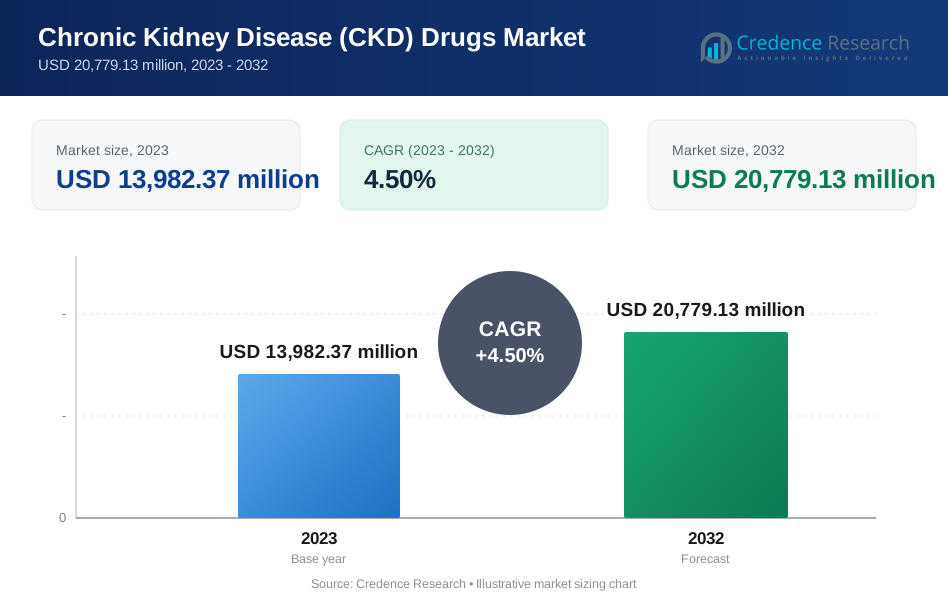
The Chronic Kidney Disease Drugs Market is projected to grow from USD 13,982.37 million in 2023 to USD 20,779.13 million by 2032, reflecting a compound annual growth rate (CAGR) of 4.50%.
The Global Chronic Kidney Disease Drugs Market is driven by the increasing prevalence of chronic kidney disease (CKD), rising awareness of early diagnosis and treatment, and the growing elderly population, which is more susceptible to CKD. Additionally, advancements in drug development, particularly in targeted therapies and combination treatments, are enhancing patient outcomes and driving market growth. The market is also influenced by the expansion of healthcare infrastructure in emerging economies and increased government initiatives to manage CKD more effectively, further boosting the demand for innovative and effective treatment options.
The Global Chronic Kidney Disease (CKD) Drugs Market is predominantly driven by North America, holding the largest market share due to the region's advanced healthcare infrastructure, high prevalence of CKD, and strong presence of key pharmaceutical companies. Europe follows closely, with significant growth supported by increased healthcare spending and rising awareness about CKD management. Asia-Pacific is emerging as a rapidly growing market, fueled by the increasing incidence of CKD and improving healthcare access. Key players like AbbVie, Amgen, and AstraZeneca dominate the market, leveraging extensive R&D capabilities and comprehensive product portfolios to address the growing demand for CKD treatments.
Market Drivers
Rising Prevalence of CKD
The Global Chronic Kidney Disease (CKD) Drugs Market is significantly influenced by the rising prevalence of CKD, driven largely by an aging population that is more susceptible to chronic conditions. For instance, in the United States, chronic kidney disease affects an estimated 37 million people, or more than 1 in 7 adults. As life expectancy increases globally, the elderly population, prone to diseases such as diabetes and hypertension, is expanding, leading to a higher incidence of CKD. Additionally, lifestyle factors like obesity, poor diet, and lack of physical activity are contributing to the growth in CKD cases. Environmental factors, such as exposure to toxins and pollutants, further exacerbate kidney damage, underscoring the need for effective treatments and interventions in managing CKD.
Technological Advancements and Drug Development
Technological advancements are revolutionizing the CKD drugs market by enhancing early detection and treatment. Improved diagnostic tools are enabling healthcare providers to identify CKD at earlier stages, allowing for timely interventions that can prevent the disease from advancing. For instance, the development of drugs like SKB264 and A166 demonstrates the industry's focus on creating more effective treatment options for CKD patients. Furthermore, ongoing research and development in the pharmaceutical industry are leading to the introduction of new and targeted therapies that offer better efficacy and fewer side effects. These innovations are expanding the treatment landscape, providing patients with more effective options to manage their condition and improve their quality of life.
Increased Awareness About CKD
Growing awareness about chronic kidney disease is another crucial driver of the market. Public health campaigns and initiatives aimed at educating the population about the symptoms, risks, and preventive measures for CKD are leading to earlier diagnosis and treatment, which is vital for slowing disease progression. The National Kidney Foundation (NKF) is joining forces with the U.S. Department of Health and Human Services (HHS), the American Society of Nephrology (ASN), and actor, activist and entrepreneur Wilmer Valderrama to reach the 1 in 3 American adults at risk for kidney disease. Patient advocacy organizations are also playing a pivotal role in raising awareness, supporting patients, and driving demand for improved treatment options. This heightened awareness is contributing to a more proactive approach to CKD management, increasing the demand for drugs that can effectively manage the disease.
Growing Geriatric Population and Rising Healthcare Expenditure
The growing geriatric population is a significant contributor to the demand for CKD drugs, as older individuals are more prone to developing chronic diseases, including CKD. This demographic is also associated with higher healthcare expenditures, which drives demand for comprehensive treatments that address the complex needs of aging patients. Alongside this, rising healthcare expenditure across the globe is improving access to CKD medications and therapies. Governments and healthcare providers are increasingly prioritizing chronic disease management, including CKD, leading to enhanced focus and investment in this area. The combination of these factors is driving market growth and encouraging the development and availability of more advanced CKD treatments.
Market Trends
Personalized Medicine and Rising Prevalence in Emerging Markets
Personalized medicine is another significant trend in the CKD drugs market, where genomic analysis is being used to understand the genetic predisposition to CKD. For instance, the Centers for Disease Control and Prevention in 2017 estimated that the number of cases of kidney failure will increase disproportionately in developing countries, such as China and India, where the number of elderly people is increasing. This approach allows for the development of patient-specific treatment plans that optimize outcomes by considering individual patient characteristics. The growing middle class in emerging markets is contributing to the rising prevalence of CKD, driven by increased disposable incomes and a shift towards more urbanized, westernized lifestyles. These lifestyle changes, including the adoption of diets high in processed foods and sedentary behaviors, are exacerbating the risk factors for CKD in these regions. The market is also seeing an increased focus on cost-effectiveness and access, with the penetration of generic drugs helping to reduce treatment costs. Governments are playing a crucial role by implementing policies that improve access to CKD care, particularly in underserved populations. Strategies are being developed to enhance patient adherence to medication regimens, which is essential for reducing overall healthcare costs. Additionally, the integration of digital health tools, such as remote patient monitoring and telemedicine, is expanding access to specialized CKD care, particularly in remote areas, further driving market growth. Finally, the market is witnessing consolidation through mergers and acquisitions, as pharmaceutical companies seek to enhance their market position and R&D capabilities, ensuring they remain competitive in this evolving landscape.
Focus on Early Detection, Prevention, and Advancements in Drug Development
The Global Chronic Kidney Disease (CKD) Drugs Market is experiencing a strong focus on early detection and prevention, driven by increased awareness of the importance of lifestyle modifications such as diet, exercise, and blood pressure control in preventing the progression of CKD. The healthcare industry is placing significant emphasis on the development of predictive biomarkers that can identify early markers of CKD, enabling timely interventions and potentially preventing the disease from advancing to more severe stages. Alongside these preventive measures, advancements in drug development are shaping the market. The industry is increasingly shifting towards targeted therapies that address the underlying causes of CKD rather than merely managing its symptoms. This approach is aimed at slowing disease progression and improving patient outcomes. Moreover, there is a growing interest in combination therapies that bring together different drug classes to enhance treatment efficacy. Biologics and biosimilars are also gaining traction due to their potential to offer novel treatment options and cost-effective alternatives, making them a key area of focus for pharmaceutical companies.
Market Challenges Analysis
High Drug Costs, Limited Access, and Disease Progression Challenges
The Global Chronic Kidney Disease (CKD) Drugs Market faces significant challenges related to high drug costs and limited patient access. Rising prices for novel therapies can restrict affordability, particularly for those without comprehensive insurance coverage. For instance, the cost of adding dapagliflozin to standard care for CKD management would increase lifetime costs by $60,000 per quality-adjusted life years (QALY), which is considered a reasonable additional price to pay for living longer and decreases in the need for kidney transplant and dialysis treatment. This is compounded by complex reimbursement processes, where cost-effectiveness assessments can delay or prevent the inclusion of new drugs in insurance plans, further limiting market penetration. Additionally, the chronic nature of CKD requires long-term treatment adherence, which poses a challenge for many patients. Managing CKD involves consistent medication intake, regular monitoring, and lifestyle modifications, all of which demand a high level of commitment from patients. Unfortunately, despite advancements in treatment options, there is still no cure for CKD, and the disease often progresses despite intervention, limiting the overall potential of the market. The chronic and progressive nature of CKD, coupled with the lack of curative therapies, underscores the complexity of managing this condition and the need for ongoing innovation in treatment strategies.
Patient Adherence, Late-Stage Diagnosis, and Drug Development Challenges
Another critical challenge in the CKD drugs market is patient adherence and compliance with treatment regimens. Patients often struggle with the complexity of medication schedules, which can involve multiple drugs with different dosing requirements. Additionally, integrating necessary lifestyle modifications, such as dietary changes and increased physical activity, into daily routines can be difficult for many individuals. This challenge is further exacerbated by the fact that CKD is often a silent disease, with symptoms not appearing until the disease has progressed to an advanced stage. This late-stage diagnosis limits opportunities for early intervention, making it harder to manage the disease effectively. Early detection is hampered by the lack of specific symptoms and the complexity of diagnostic processes. In terms of drug development, the pathophysiology of CKD is highly complex, making it challenging to develop effective treatments. High attrition rates in clinical trials reflect the difficulty in creating drugs that are both safe and effective for CKD patients. Furthermore, regulatory hurdles add another layer of complexity, as obtaining drug approvals requires navigating stringent and time-consuming requirements. Post-market surveillance to ensure ongoing drug safety and efficacy further adds to the costs and challenges faced by pharmaceutical companies in this market. Competition from generic drugs and market saturation also pose significant threats, as the entry of lower-cost alternatives can erode the profitability of branded products, while the difficulty of developing new, innovative drugs with a clear competitive advantage increases the pressure on established players to continuously innovate.
Market Segmentation Analysis:
By Drug Class:
The Global Chronic Kidney Disease (CKD) Drugs Market is segmented by drug class into ACE Inhibitors, Angiotensin-II Receptor Blockers, Calcium Channel Blockers, Beta Blockers, Erythropoiesis-stimulating Agents (ESAs), Diuretics, and Others. Among these, ACE Inhibitors and Angiotensin-II Receptor Blockers dominate the market due to their efficacy in controlling blood pressure, a critical factor in managing CKD progression. Erythropoiesis-stimulating Agents (ESAs) also hold a significant share, particularly in treating anemia associated with CKD. The demand for Diuretics and Calcium Channel Blockers is driven by their role in managing fluid balance and blood pressure in CKD patients. The "Others" category, which includes emerging therapies and combination drugs, is witnessing growth due to ongoing research and the development of new treatment options aimed at addressing the complex pathophysiology of CKD.
By Route of Administration:
The market is also categorized based on the route of administration into Oral, Subcutaneous, and Intravenous segments. Oral administration is the most prevalent route, offering convenience and ease of use for patients, particularly for chronic management. Medications like ACE Inhibitors and Angiotensin-II Receptor Blockers are commonly administered orally. The Subcutaneous route, primarily used for Erythropoiesis-stimulating Agents (ESAs), is critical for managing anemia in CKD patients. Intravenous administration is primarily used in acute settings or for patients requiring immediate drug efficacy, such as in the administration of certain ESAs or during dialysis sessions. The choice of administration route is crucial in optimizing patient compliance and therapeutic outcomes, which are essential in the long-term management of CKD.
Segments:
Based on Drug Class:
- ACE Inhibitors
- Angiotensin-II Receptor Blockers
- Calcium Channel Blockers
- Beta Blockers
- Erythropoiesis-stimulating Agents (ESAs)
- Diuretics
- Others
Based on Route of Administration:
- Oral
- Subcutaneous
- Intravenous
Based on Distribution Channel:
- Hospital Pharmacies
- Retail Pharmacies
- Online Pharmacies
- Others
Based on the Geography:
- North America
- US
- Canada
- Mexico
- Europe
- Germany
- France
- UK
- Italy
- Spain
- Rest of Europe
- Asia Pacific
- China
- Japan
- India
- South Korea
- South-east Asia
- Rest of Asia Pacific
- Latin America
- Brazil
- Argentina
- Rest of Latin America
- Middle East & Africa
- GCC Countries
- South Africa
- Rest of Middle East and Africa
Regional Analysis
North America
North America, which accounts for approximately 35% of the global market share, is the largest regional market. The region's dominance is driven by a well-established healthcare system, increased awareness about CKD, and the availability of advanced treatment options. For instance, according to the National Institute of Diabetes and Digestive and Kidney Diseases (NIDDK), 37 million people in the U.S. have kidney disease. The high prevalence of risk factors such as diabetes and hypertension, coupled with an aging population, contributes to the growing demand for CKD drugs in the region. Additionally, favorable reimbursement policies and the presence of major pharmaceutical companies further bolster the market's growth in North America.
Europe
Europe follows closely, holding around 30% of the market share, driven by the rising incidence of CKD and robust healthcare infrastructure. Countries like Germany, the United Kingdom, and France are at the forefront of adopting new CKD therapies, supported by strong government initiatives and public health campaigns aimed at early detection and management of the disease. The European market is also characterized by significant investment in research and development, leading to the introduction of novel drugs and treatment protocols. Furthermore, the growing geriatric population in Europe, which is more susceptible to chronic diseases, including CKD, is a key factor driving the demand for CKD drugs. Both regions are expected to continue leading the global market, supported by ongoing advancements in drug development and increasing healthcare expenditure focused on managing chronic diseases like CKD.
Key Player Analysis
- AbbVie, Inc
- Allergan Plc.
- Amgen Inc.
- AstraZeneca Plc.
- Hoffman-La Roche Ltd
- Fibro Gen
- Glaxo Smith Kline Plc.
- Johnson & Johnson
- Keryx Biopharmaceuticals, Inc
- Kissei Pharmaceutical Co. Ltd
- Pfizer, Inc.
- Sanofi S.A.
- Teva Pharmaceutical Co. Ltd
Competitive Analysis
The Global Chronic Kidney Disease (CKD) Drugs Market is highly competitive, with major players such as AbbVie, Amgen, and AstraZeneca leading the market. These companies dominate through their extensive R&D efforts, focusing on developing innovative therapies that address the underlying causes of CKD rather than just managing symptoms. They have strong portfolios of established drugs and are continuously expanding their offerings with new product launches. Additionally, these players benefit from robust distribution networks, enabling them to maintain a significant presence across key regions. Competition is further intensified by the entry of biosimilars and generics, which challenge branded drugs, leading companies to invest in lifecycle management strategies. Strategic collaborations, mergers, and acquisitions are common as these players seek to enhance their market positions and drive growth in an increasingly competitive landscape. The emphasis on personalized medicine and targeted therapies is also shaping the competitive dynamics within the CKD drugs market.
Recent Developments
- In April 2024, AstraZeneca announced the results of a new modelling analysis, IMPACT CKD, forecasting up to 16.5% of the population across eight countries will suffer from chronic kidney disease (CKD) by 2032.
- In June 2024, AstraZeneca announced that the FDA approved a new indication for Farxiga (dapagliflozin) to reduce the risk of end-stage kidney disease (ESKD), worsening of kidney function, cardiovascular (CV) death, and hospitalization for heart failure in adults with type 2 diabetes and diabetic kidney disease (DKD) with a certain amount of protein in the urine.
- In July 2024, Roche announced positive Phase I results of its oral GLP-1 receptor agonist CT-996 for the treatment of people with obesity.
- In May 2024, AbbVie, the European Medicines Agency’s (EMA’s) Committee for Medicinal Products for Human Use (CHMP) adopted a positive opinion recommending the approval of risankizumab (SKYRIZI ®) for the treatment of adults with moderately to severely active UC who have had an inadequate response, lost response, or were intolerant to either conventional or biologic therapy.
Market Concentration & Characteristics
The Global Chronic Kidney Disease (CKD) Drugs Market exhibits a moderate to high level of market concentration, with a few dominant pharmaceutical companies holding significant market shares. Key players such as AbbVie, Amgen, and AstraZeneca leverage their extensive research and development capabilities, established product portfolios, and strong global distribution networks to maintain a competitive edge. The market is characterized by the presence of both branded drugs and generics, with increasing competition from biosimilars challenging the market positions of leading brands. Despite this competition, the market remains concentrated around companies with the resources to invest in the development of innovative therapies and navigate complex regulatory landscapes. The focus on personalized medicine and the development of targeted therapies further accentuates the market's concentration, as only a few players possess the necessary expertise and financial strength to lead in these advanced areas of treatment. This concentration underscores the importance of continuous innovation and strategic partnerships in sustaining market leadership.
Report Coverage
The research report offers an in-depth analysis based on Drug Class, Route of Administration, Distribution Channel and Geography. It details leading market players, providing an overview of their business, product offerings, investments, revenue streams, and key applications. Additionally, the report includes insights into the competitive environment, SWOT analysis, current market trends, as well as the primary drivers and constraints. Furthermore, it discusses various factors that have driven market expansion in recent years. The report also explores market dynamics, regulatory scenarios, and technological advancements that are shaping the industry. It assesses the impact of external factors and global economic changes on market growth. Lastly, it provides strategic recommendations for new entrants and established companies to navigate the complexities of the market.
Future Outlook
- The demand for chronic kidney disease drugs will continue to rise due to the increasing global prevalence of CKD.
- Advancements in personalized medicine will lead to more targeted and effective treatment options for CKD patients.
- Biosimilars will gain market share, providing more affordable treatment alternatives.
- Emerging markets will experience significant growth in CKD drug adoption due to rising healthcare access.
- Ongoing R&D efforts will focus on developing drugs that can slow or halt CKD progression.
- Regulatory frameworks will evolve to support the approval and integration of innovative CKD therapies.
- Combination therapies will become more common, offering improved patient outcomes.
- Digital health technologies will play a growing role in managing CKD and supporting drug adherence.
- Partnerships and collaborations among pharmaceutical companies will drive innovation and market expansion.
- Cost pressures and reimbursement challenges will influence the pricing strategies of CKD drugs.
Request a Free Sample
Fill in your details and we'll send you a free sample report.
- Sample data tables & charts
- Research methodology
Market Dynamics
Rising Prevalence of CKD
The increasing incidence of chronic kidney disease, driven by aging populations and higher rates of diabetes and hypertension, is expanding the patient pool and fueling demand for CKD drugs globally.
Technological Advancements and Drug Development
Innovations in drug development, including targeted therapies and combination treatments, are improving patient outcomes and expanding the range of effective CKD treatment options, thus driving market growth.
Increased Awareness and Early Diagnosis
Public health campaigns and advocacy initiatives are raising awareness about CKD, leading to earlier diagnosis and intervention, which increases the uptake of CKD drugs and supports market expansion.
Growing Geriatric Population and Healthcare Expenditure
The expanding elderly demographic, which is more susceptible to CKD, combined with rising global healthcare spending, is boosting access to and demand for advanced CKD therapies.
Expansion in Emerging Markets
Improved healthcare infrastructure and rising disposable incomes in emerging economies are increasing access to CKD treatments, contributing to significant market growth in these regions.
Need a Custom Version of This Report?
Tailor the scope, geography, or segments to your exact requirements.
- Custom geography or segment scope
- Direct access to our analyst team
Frequently Asked Questions
What is the current size of the Chronic Kidney Disease Drugs Market?
What factors are driving the growth of the Global Chronic Kidney Disease Drugs Market?
What are the key segments within the Global Chronic Kidney Disease Drugs Market?
What are some challenges faced by the Global Chronic Kidney Disease Drugs Market?
Who are the major players in the Global Chronic Kidney Disease Drugs Market?
Table of Content
Chapter 1 Market Segmentation
- 1.1 Segmentation Framework
- 1.1.1 Product and Service Classification
- 1.1.2 Application and End-Use Classification
- 1.1.3 Technology and Solution Classification
- 1.1.4 Customer and Distribution Channel Classification
- 1.1.5 Geographic Segmentation
- 1.1.6 Market Segment Definitions and Boundaries
- 1.2 By Drug Class
- 1.2.1 ACE Inhibitors
- 1.2.2 Angiotensin-II Receptor Blockers
- 1.2.3 Calcium Channel Blockers
- 1.2.4 Beta Blockers
- 1.2.5 Erythropoiesis-stimulating Agents (ESAs)
- 1.2.6 Diuretics
- 1.2.7 Others
- 1.3 By Route of Administration
- 1.3.1 Oral
- 1.3.2 Subcutaneous
- 1.3.3 Intravenous
Chapter 2 Introduction
- 2.1 Report Objectives and Scope
- 2.2 Product Definition and Industry Terminology
- 2.3 Market Inclusions and Exclusions
- 2.4 Research Process
- 2.4.1 Primary Research and Expert Interviews
- 2.4.2 Secondary Research and Source Review
- 2.4.3 Top-Down and Bottom-Up Estimation
- 2.4.4 Data Triangulation and Verification
- 2.5 Market Size Measurement Basis
- 2.5.1 2023: USD 13,982.37 million → 2032: USD 20,779.13 million
- 2.6 Historical and Forecast Reference Periods
- 2.6.1 Base Year: 2023
- 2.6.2 Forecast Period: 2023-2032
- 2.7 Research Assumptions and Limitations
Chapter 3 Executive Summary
- 3.1 Market Snapshot and Key Findings
- 3.2 Base-Year Market Size, 2023
- 3.3 Forecast Market Size, 2032
- 3.4 Revenue and Volume Growth Outlook
- 3.5 Key Demand and Supply Indicators
- 3.6 Leading Market Segments
- 3.7 Fastest-Growing Market Opportunities
- 3.8 Regional Performance Highlights
- 3.9 Technology and Industry Transformation
- 3.10 Competitive Landscape Summary
- 3.11 Analyst View and Strategic Implications
Chapter 4 Global Chronic Kidney Disease (CKD) Drugs Market Trends and Developments
- 4.1 Historical Industry Development
- 4.2 Recent Market Trends and Developments
- 4.3 Demand and Customer Behavior Trends
- 4.4 Technology and Product Innovation
- 4.5 Artificial Intelligence, Automation and Digitalization
- 4.6 Local Manufacturing and Supply Chain Realignment
- 4.7 Industry Partnerships, Mergers and Acquisitions
- 4.8 Sustainability and Circular Economy Developments
- 4.9 Government and Private Sector Investment Trends
- 4.10 Emerging Business Models and Commercialization
- 4.11 Industry Developments and Announcements
Chapter 5 Global Chronic Kidney Disease (CKD) Drugs Market Production, Supply and Demand Analysis
- 5.1 Demand Trend and Consumption Analysis
- 5.2 Demand Forecast, 2023-2032
- 5.3 Production and Output Trend
- 5.4 Production and Output Forecast, 2023-2032
- 5.5 Installed Capacity and Capacity Utilization
- 5.6 Company-Wise Production Plants and Statistics
- 5.6.1 Installed Production Capacity
- 5.6.2 Actual Production
- 5.6.3 Planned Capacity and Expansion Targets
- 5.7 Supply Chain Structure and Procurement Trends
- 5.8 Supply-Demand Gap and Bottlenecks
- 5.9 Import Dependence and Sourcing Structure
- 5.10 Contract Manufacturing and Outsourcing
- 5.11 Regional Supply and Demand Concentration
Chapter 6 Global Chronic Kidney Disease (CKD) Drugs Market Pricing Analysis
- 6.1 Pricing Structure and Measurement
- 6.2 Historical Pricing Trends
- 6.3 Pricing Outlook, 2023-2032
- 6.4 Average Selling Price and Unit Economics
- 6.5 Pricing by Product and Market Segment
- 6.6 Geographic Pricing Differences
- 6.7 Key Input, Energy, Labor and Logistics Costs
- 6.8 Contract Pricing and Purchasing Models
- 6.9 Pricing Sensitivity and Competitive Positioning
- 6.10 Price, Margin and Profitability Implications
Chapter 7 Global Chronic Kidney Disease (CKD) Drugs Market Dynamics
- 7.1 Market Growth Drivers
- 7.1.1 Demand-Side Drivers
- 7.1.2 Technology and Innovation Drivers
- 7.1.3 Infrastructure and Investment Drivers
- 7.1.4 Regulatory and Policy Drivers
- 7.2 Market Restraints
- 7.2.1 Cost and Affordability Constraints
- 7.2.2 Technology and Adoption Barriers
- 7.2.3 Supply Chain and Operational Constraints
- 7.3 Market Challenges
- 7.3.1 Competitive Pressure and Margin Erosion
- 7.3.2 Skills, Infrastructure and Implementation Gaps
- 7.4 Emerging Market Opportunities
- 7.5 Market Dynamics Impact and Time-Horizon Assessment
Chapter 8 Global Chronic Kidney Disease (CKD) Drugs Value Chain Analysis
- 8.1 Industry Value Chain Overview
- 8.2 Upstream Suppliers and Critical Inputs
- 8.3 Technology and Component Providers
- 8.4 Manufacturing or Service Delivery
- 8.5 Distribution, Channel Partners and Integrators
- 8.6 Downstream Applications and End Users
- 8.7 Value Addition and Profit Pools
- 8.8 Vertical Integration and Outsourcing
- 8.9 Supplier Concentration and Risk
- 8.10 Supply Chain Localization and Resilience
Chapter 9 Global Chronic Kidney Disease (CKD) Drugs Market Regulations and Policies
- 9.1 Relevant Laws, Standards and Compliance Frameworks
- 9.2 Product, Service, Safety and Quality Requirements
- 9.3 Government Policies, Incentives and Subsidies
- 9.4 Imports, Exports and Trade Barriers
- 9.5 Public Procurement and Local Content Requirements
- 9.6 Environmental and Sustainability Compliance
- 9.7 Upcoming Policy Changes and Market Implications
Chapter 10 Global Chronic Kidney Disease (CKD) Drugs Market Hotspots and Opportunities
- 10.1 Market Opportunity Mapping and Growth Hotspots
- 10.2 High-Growth Applications and Customer Groups
- 10.3 Underserved Markets and White-Space Opportunities
- 10.4 Emerging Technology and Product Opportunities
- 10.5 New Capacity and Investment Hotspots
- 10.6 Market Entry and Expansion Opportunities
- 10.7 Distribution and Partnership Opportunities
- 10.8 Near-Term and Long-Term Commercial Potential
- 10.9 Opportunity Attractiveness and Execution Risks
Chapter 11 Global Chronic Kidney Disease (CKD) Drugs Market Outlook, 2023-2032
- 11.1 Market Size and Analysis
- 11.1.1 Revenue (Market Measurement: 2023: USD 13,982.37 million → 2032: USD 20,779.13 million)
- 11.1.2 Market Volume and Quantity Sold
- 11.1.3 Historical Market Size
- 11.1.4 Base-Year Market Size, 2023
- 11.2 Market Forecast, 2023-2032
- 11.2.1 Revenue Forecast to 2032
- 11.2.2 Volume Forecast to 2032
- 11.2.3 CAGR and Year-on-Year Growth
- 11.2.4 Incremental Revenue Opportunity
- 11.3 Forecast Assumptions and Scenario Analysis
- 11.3.1 Base-Case Forecast
- 11.3.2 Optimistic and Conservative Scenarios
- 11.3.3 Technology, Pricing and Policy Sensitivities
- 11.4 Market Attractiveness and Growth Outlook
Chapter 12 Global Chronic Kidney Disease (CKD) Drugs Market Segmentation and Outlook
- 12.1 Segmentation Summary and Market Shares, 2023
- 12.2 Largest and Fastest-Growing Segments
- 12.3 By Drug Class - Market Size and Forecast, 2023-2032
- 12.3.1 Segment Definition and Scope
- 12.3.2 Historical Market Size
- 12.3.3 Revenue Forecast, 2023-2032
- 12.3.4 Volume Forecast, 2023-2032
- 12.3.5 Base-Year Market Share, 2023
- 12.3.6 Segment CAGR and Growth Drivers
- 12.3.7 Subsegment Market Size and Forecast
- 12.3.7.1 ACE Inhibitors
- 12.3.7.2 Angiotensin-II Receptor Blockers
- 12.3.7.3 Calcium Channel Blockers
- 12.3.7.4 Beta Blockers
- 12.3.7.5 Erythropoiesis-stimulating Agents (ESAs)
- 12.3.7.6 Diuretics
- 12.3.7.7 Others
- 12.3.8 Subsegment Pricing and Adoption Trends
- 12.3.9 Leading Suppliers and Competition
- 12.3.10 Regional Demand and Opportunities
- 12.4 By Route of Administration - Market Size and Forecast, 2023-2032
- 12.4.1 Segment Definition and Scope
- 12.4.2 Historical Market Size
- 12.4.3 Revenue Forecast, 2023-2032
- 12.4.4 Volume Forecast, 2023-2032
- 12.4.5 Base-Year Market Share, 2023
- 12.4.6 Segment CAGR and Growth Drivers
- 12.4.7 Subsegment Market Size and Forecast
- 12.4.7.1 Oral
- 12.4.7.2 Subcutaneous
- 12.4.7.3 Intravenous
- 12.4.8 Subsegment Pricing and Adoption Trends
- 12.4.9 Leading Suppliers and Competition
- 12.4.10 Regional Demand and Opportunities
- 12.5 Segment Growth Comparison
- 12.6 Segment Attractiveness and Priority Matrix
Chapter 13 Global Chronic Kidney Disease (CKD) Drugs Geographic Market Outlook, 2023-2032
- 13.1 Regional Market Size and Share, 2023
- 13.2 Regional Market Forecast, 2023-2032
- 13.3 Regional Pricing, Production and Demand Differences
- 13.4 North America
- 13.4.1 United States
- 13.4.2 Canada
- 13.4.3 Mexico
- 13.5 Europe
- 13.5.1 Germany
- 13.5.2 France
- 13.5.3 Italy
- 13.5.4 United Kingdom
- 13.5.5 Spain
- 13.5.6 Poland
- 13.5.7 Russia
- 13.5.8 Netherlands
- 13.5.9 Belgium
- 13.5.10 Sweden
- 13.5.11 Denmark
- 13.5.12 Norway
- 13.5.13 Rest of Europe
- 13.6 Asia Pacific
- 13.6.1 China
- 13.6.2 India
- 13.6.3 Japan
- 13.6.4 South Korea
- 13.6.5 Thailand
- 13.6.6 Indonesia
- 13.6.7 Vietnam
- 13.6.8 Malaysia
- 13.6.9 Australia
- 13.6.10 Rest of Asia Pacific
- 13.7 Latin America
- 13.7.1 Brazil
- 13.7.2 Argentina
- 13.7.3 Colombia
- 13.7.4 Chile
- 13.7.5 Rest of Latin America
- 13.8 Middle East
- 13.8.1 Saudi Arabia
- 13.8.2 United Arab Emirates
- 13.8.3 Turkey
- 13.8.4 Israel
- 13.8.5 Iran
- 13.8.6 Rest of the Middle East
- 13.9 Africa
- 13.9.1 South Africa
- 13.9.2 Egypt
- 13.9.3 Nigeria
- 13.9.4 Morocco
- 13.9.5 Rest of Africa
- 13.10 Regional Investment, Policy and Supply Chain Differences
- 13.11 Regional Competitive Landscape
- 13.12 Geographic Growth Hotspots
Chapter 14 Global Chronic Kidney Disease (CKD) Drugs Technology, Innovation and Sustainability Outlook
- 14.1 Technology Landscape and Maturity
- 14.2 Product, Process and Service Innovation
- 14.3 AI, Automation and Digital Tools in the Industry
- 14.4 Technology Adoption and Performance Benchmarking
- 14.5 Innovation Pipeline and R&D Investment
- 14.6 Patent and Intellectual Property Trends
- 14.7 Energy Efficiency and Resource Management
- 14.8 Sustainability, Recycling and Circularity
- 14.9 Technology Roadmap, 2023-2032
- 14.10 Risks of Obsolescence and Technology Substitution
Chapter 15 Global Chronic Kidney Disease (CKD) Drugs Market Key Strategic Imperatives
- 15.1 Growth and Market Entry Priorities
- 15.2 High-Return Products and Segments
- 15.3 Pricing, Profitability and Cost Optimization
- 15.4 Technology Investment and Product Differentiation
- 15.5 Supply Chain Localization and Resilience
- 15.6 Distribution and Customer Acquisition
- 15.7 Partnership, Acquisition and Capacity Strategy
- 15.8 Regional Expansion Priorities
- 15.9 Short-, Medium- and Long-Term Actions
Chapter 16 Competition Outlook
- 16.1 Industry Competition Characteristics
- 16.2 Market Structure and Concentration
- 16.3 Market Share and Competitive Positioning, 2023
- 16.4 Company-Wise Revenue and Product Benchmarking
- 16.5 Production and Service Capacity Benchmarking
- 16.6 Technology, Pricing and Differentiation
- 16.7 Regional Footprint and Distribution Strength
- 16.8 Mergers, Acquisitions and Strategic Alliances
- 16.9 New Entrants and Competitive Threats
- 16.10 Porter's Five Forces and Industry Attractiveness
- 16.11 Competitive Outlook, 2023-2032
Chapter 17 Company Profiles
- 17.1 Company Coverage and Selection Criteria
- 17.2 AbbVie, Inc
- 17.2.1 Business Description
- 17.2.2 Company Ownership and Geographic Presence
- 17.2.3 Product and Service Portfolio
- 17.2.4 Manufacturing and Operating Footprint
- 17.2.5 Production Capacity and Expansion Plans
- 17.2.6 Financial Performance and Investment
- 17.2.7 Market Share and Competitive Position
- 17.2.8 Technology and Innovation Capabilities
- 17.2.9 Strategic Alliances or Partnerships
- 17.2.10 Recent Developments
- 17.2.11 Growth Strategy and Outlook
- 17.3 Amgen Inc.
- 17.4 AstraZeneca Plc.
- 17.5 Hoffman-La Roche Ltd
- 17.6 GlaxoSmithKline Plc.
- 17.7 Pfizer, Inc.
- 17.8 Johnson & Johnson
- 17.9 Sanofi S.A.
- 17.10 Teva Pharmaceutical Co. Ltd
- 17.11 Keryx Biopharmaceuticals, Inc
- 17.12 Other Relevant Market Participants
Note: Every listed company is profiled on the structure shown under the first company. The company list is preliminary and may change based on research findings, market developments, data availability and client requirements.
Chapter 18 Disclaimer
- 18.1 Research and Forecast Disclaimer
- 18.2 Data Source and Estimation Limitations
Note: The depth of individual sections depends on data availability for this market. Volume, capacity, trade and other unit-based metrics are included where applicable.