
Merck KGaA to Acquire Silence Therapeutics for $1.3 Billion, Adding Rare Blood Cancer siRNA Drug
Merck KGaA, Darmstadt, Germany, agreed on Oct. 19 to acquire London-based Silence Therapeutics plc in an all-cash deal valued at about $1.3 billion in equity, giving the German group a Phase 3-ready RNA interference drug for polycythemia vera, a rare blood cancer. The science and technology company will pay $20 for each Silence American Depositary Share, and both boards have approved the transaction, which the companies expect to close in the first quarter of 2027.
Key developments
- Merck KGaA will pay $20.00 in cash per Silence ADS, equal to about $6.6667 per ordinary share, implying an enterprise value of $1.1 billion and an equity value of about $1.3 billion.
- The price is a 130% premium to Silence's Oct. 16 closing ADS price and an 82% premium to its 30-day volume-weighted average price of $10.99.
- The deal will be carried out as a U.K. scheme of arrangement and needs Silence shareholder approval, sanction by the High Court of Justice of England and Wales and regulatory clearances.
- Holders of about 14% of Silence's voting power have signed agreements to vote in favor, and Merck KGaA said it will fund the purchase with new debt.
- The main asset is divesiran, a quarterly subcutaneous siRNA therapy that holds FDA Fast Track and Orphan Drug designations in polycythemia vera.
Disease and technology background
Polycythemia vera is a chronic myeloproliferative neoplasm in which the bone marrow makes too many red blood cells. The thicker blood raises the risk of clots, so care centers on keeping hematocrit under control. Many patients rely on repeated therapeutic phlebotomy, the scheduled removal of blood, often alongside cytoreductive drugs. Silence said in its announcement that no approved therapy specifically targets red blood cells and hematocrit.
Divesiran takes a different route. The drug silences TMPRSS6, a liver gene that acts as a brake on hepcidin, the hormone that governs iron supply. Raising hepcidin limits the iron that reaches the bone marrow, which in turn curbs excess red cell production. Merck KGaA said the Phase 2 SANRECO study produced an 88% responder rate versus 19% on placebo, and patients on divesiran needed an average of 0.2 phlebotomies over 36 weeks compared with 2.1 on placebo. The company described the drug as well tolerated, with infrequent and self-limiting injection-site reactions.
The drug comes from Silence's mRNAi GOLD platform, which designs short interfering RNA molecules that switch off disease-causing genes in the liver. Silence employs about 80 people across the United Kingdom, the United States and Germany.
Industry implications
The deal is the latest sign that large drugmakers see liver-targeted siRNA as a mature, buyable modality rather than a research bet. RNA interference drugs can be dosed every few months, which suits chronic conditions where patients now face frequent clinic visits. For polycythemia vera, a quarterly injection that cuts phlebotomy burden would change the routine of care more than the underlying disease biology.
For Merck KGaA, the purchase builds on its 2025 acquisition of SpringWorks Therapeutics and gives the healthcare business an entry point into hematology. Danny Bar-Zohar, CEO of the company's healthcare sector, called the transaction a significant step toward becoming a global specialty innovator. Group CEO Kai Beckmann said it would strengthen the company's capabilities in targeted specialty and rare diseases.
The premium also tells smaller biotech boards something. Silence's chairman, Iain Ross, said the agreement followed a competitive sale process and delivers immediate and certain value to shareholders. Clinical-stage companies holding positive Phase 2 data in a rare disease continue to draw strategic buyers willing to fund late-stage trials themselves.
Competitive and supply chain implications
Divesiran will enter a field where the hepcidin pathway is already a target. Protagonist Therapeutics and Takeda have developed rusfertide, an injectable peptide that mimics hepcidin, for the same patient population. Ownership by a larger group with commercial reach in specialty care puts divesiran on a more equal footing with that program. The quarterly dosing schedule is likely to be a central point of comparison with more frequently dosed agents.
On the manufacturing side, siRNA drugs depend on oligonucleotide synthesis and conjugation chemistry that only a limited number of contract manufacturers handle at commercial scale. Merck KGaA operates a large life science business that supplies materials and services to drug developers, giving it in-house familiarity with the inputs that a Phase 3 program and later launch will require. The companies did not disclose manufacturing plans in their announcements.
Rival RNA medicine developers, including Alnylam Pharmaceuticals and Arrowhead Pharmaceuticals, may also see the deal as a benchmark for how acquirers value single late-stage assets built on a delivery platform.
Regional implications
The transaction moves another U.K.-headquartered, Nasdaq-listed biotech into the hands of a continental European buyer. The court-sanctioned scheme of arrangement keeps the process under English law, while U.S. securities rules govern the proxy filing Silence will submit to the Securities and Exchange Commission.
In the United States, divesiran's Fast Track and Orphan Drug designations from the Food and Drug Administration give the program closer agency interaction and potential market exclusivity after approval. In Germany, the deal adds debt to the Darmstadt group's balance sheet and extends its healthcare pipeline into blood disorders. Silence's staff in Germany, the U.K. and the U.S. will join a company with more than 62,000 employees worldwide.
Credence Research analysis
The purchase is a focused bet on one asset rather than a broad platform deal. Merck KGaA is paying for a drug with clear Phase 2 results, a defined Phase 3 path and regulatory designations already in hand. That profile limits early-stage discovery risk but concentrates the value on a single trial readout. The 82% premium to the 30-day average price shows how heavily buyers now weigh validated mechanisms in rare disease.
The deal also signals how Merck KGaA plans to grow its healthcare arm after SpringWorks: buy late-stage specialty assets with small patient populations and high unmet need, then apply its own development and commercial scale. Execution will hinge on Phase 3 design, trial enrollment speed in a rare indication and how divesiran compares with hepcidin mimetics on convenience and long-term safety.
What comes next
- Silence will file a proxy statement with the SEC that includes the scheme's explanatory statement.
- Silence shareholders will vote on the scheme at court and general meetings.
- The High Court of Justice of England and Wales must sanction the scheme.
- Regulatory clearances must be obtained before closing, expected in the first quarter of 2027.
- After closing, Merck KGaA plans to advance divesiran into Phase 3 development in polycythemia vera.
Sources
- Merck KGaA, Darmstadt, Germany: Acquisition of Silence Therapeutics to Strengthen Rare Disease Pipeline
- Silence Therapeutics: Silence Therapeutics Enters into Agreement to be Acquired by Merck KGaA, Darmstadt, Germany
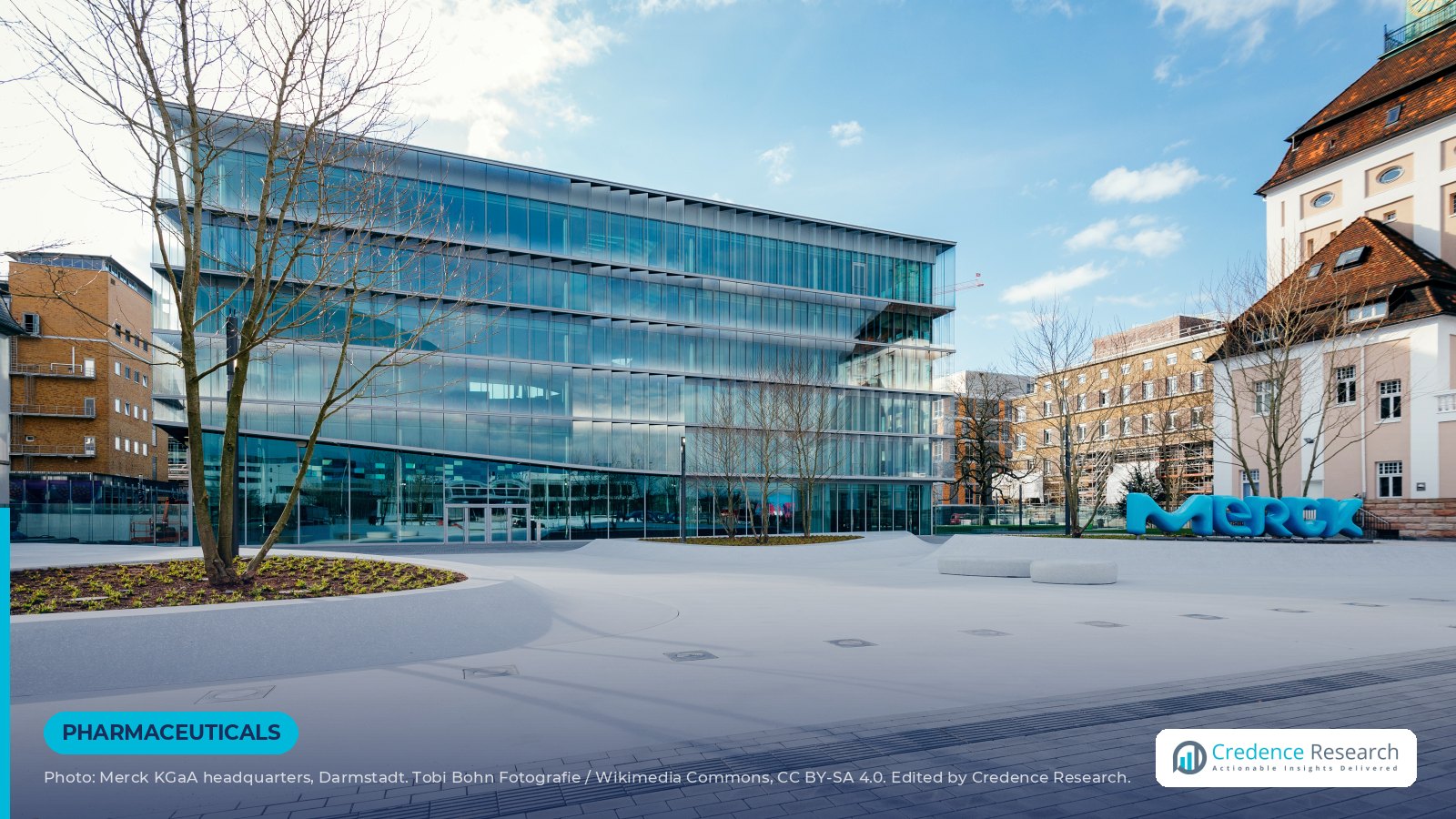
Image: Merck KGaA headquarters in Darmstadt, Germany, by Tobi Bohn Fotografie via Wikimedia Commons, CC BY-SA 4.0. Cropped and edited by Credence Research.

About the Author

Senior News Editor at Credence Research Inc