
NVIDIA RTX Spark laptops go on sale, putting its own CPU inside Windows PCs
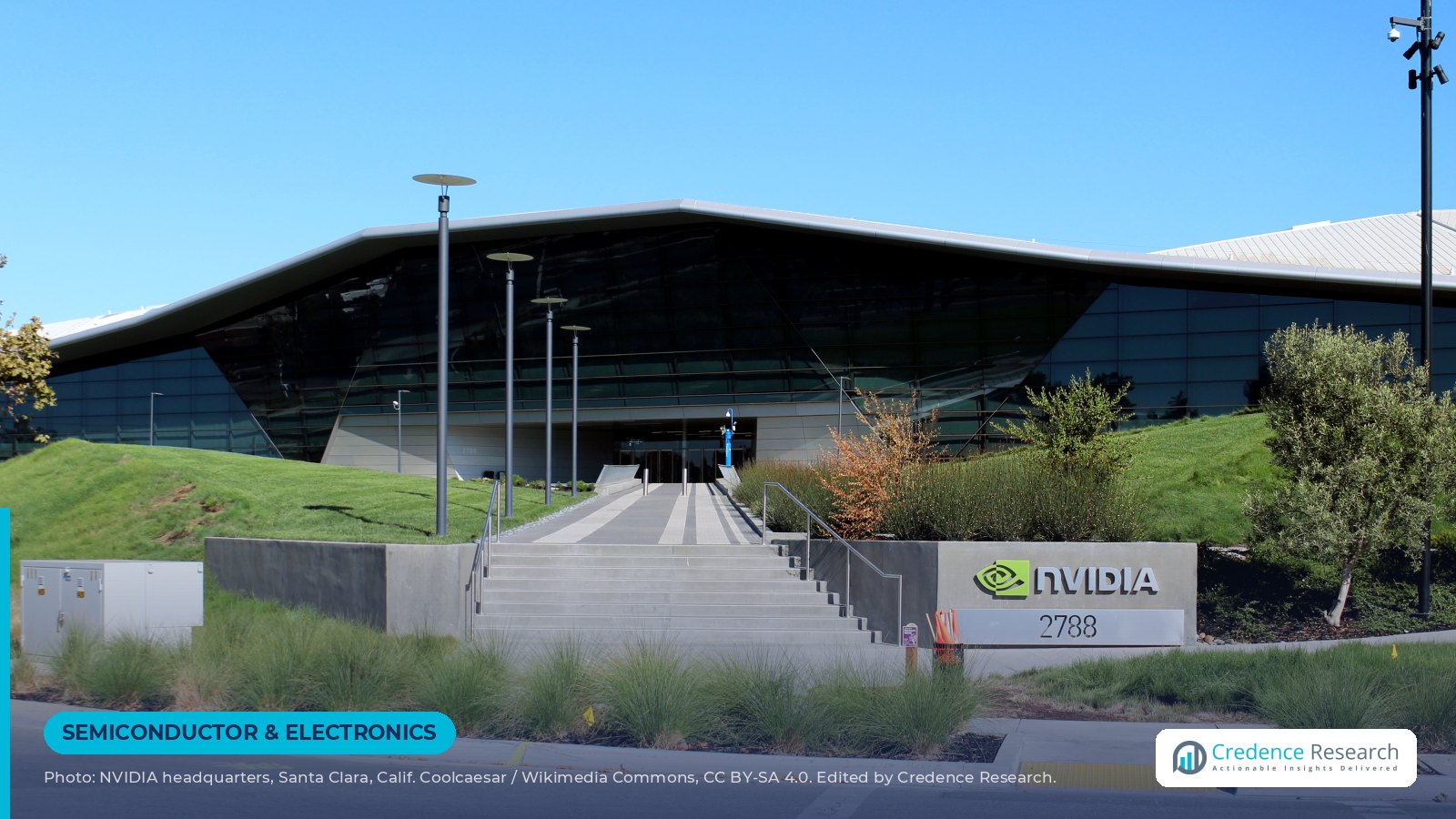
Laptops powered by NVIDIA's RTX Spark superchip, which combines the company's own CPU and GPU in a single package for Windows PCs, went on sale worldwide on Oct. 16, 2026, from six computer makers. The launch puts the Santa Clara, California, chipmaker in direct competition with the companies that supply the central processors inside Windows notebooks, a role NVIDIA has largely left to Intel and AMD in a consumer PC business it built as a graphics supplier.
Key developments
- RTX Spark laptops are now available from ASUS, Dell, HP, Lenovo, Microsoft and MSI through manufacturer websites and major retailers, with more systems to follow, according to NVIDIA.
- Prices start at $2,599, with configurations and pricing varying by region. Launch models include the ASUS ProArt P14 and P16, Dell XPS 16, HP OmniBook Ultra and OmniBook X 14, Lenovo Yoga Pro 9n, Microsoft Surface Laptop Ultra and MSI Prestige N16 and Prestige N16 Flip AI+.
- The superchip pairs a Blackwell RTX GPU with up to 6,144 CUDA cores and a 20-core NVIDIA Grace CPU, designed in collaboration with MediaTek, and supports up to 128GB of unified memory and up to 1 petaflop of FP4 AI performance.
- NVIDIA released a PyTorch-CUDA build for Windows on Arm and says its developer tools support 97% of the top 15,000 Python packages.
- Adobe Photoshop and Premiere offer native RTX Spark support in beta at launch, and NVIDIA says hundreds of games run on day one, including titles with anti-cheat protection.
From GTC Taipei reveal to retail shelves
NVIDIA unveiled RTX Spark at GTC Taipei on May 31, 2026, alongside a joint announcement with Microsoft describing a native Windows platform for on-device AI agents. At the time, the companies said laptops and compact desktops would arrive in the fall from the same six partners, with Acer and GIGABYTE models to follow. The May release described laptops of 14 to 16 inches, as thin as 14mm and as light as three pounds.
The chip borrows its architecture from NVIDIA's data center business. The Grace CPU, based on Arm cores, already sits beside Blackwell GPUs in the company's large AI server systems, and the two halves of RTX Spark are joined by NVIDIA's NVLink-C2C interconnect. Placing the CPU and GPU on one package with a shared memory pool lets large AI models and big creative files sit in memory that both processors can reach, a design NVIDIA says allows laptops to edit 8K video and render 3D scenes of up to 90GB on battery power.
Founder and CEO Jensen Huang said the chip brings NVIDIA AI, RTX graphics and CUDA together with Windows in one PC. Microsoft Executive Vice President Yusuf Mehdi said the systems unlock new local compute for creators and developers.
Industry implications
The launch changes who controls the most valuable silicon in a Windows laptop. For most of its history, NVIDIA's role in Windows notebooks was a discrete graphics chip sitting next to a processor from Intel or AMD. With RTX Spark, NVIDIA supplies the full compute engine, and PC makers design around its platform rather than adding its GPU as an option.
Software is the larger test. Windows on Arm has struggled with app and game compatibility since Microsoft first supported the architecture. NVIDIA is attacking that gap from several angles at once: native builds of developer tools, beta ports of Adobe's flagship apps, work with anti-cheat providers including BattlEye, Easy Anti-Cheat and Vanguard, and a 74-billion-parameter local model, Nemotron 3.5 Bolt, tuned for agent tasks. NVIDIA also said EA Javelin anti-cheat support is slated for early 2027, a sign that some compatibility work remains unfinished at launch.
The emphasis on local AI agents matters for enterprise buyers. NVIDIA's OpenShell runtime and Microsoft Execution Containers are meant to control what agents can access on a machine, an issue that IT departments will weigh before approving agent software on corporate fleets.
Competitive and supply chain implications
RTX Spark enters a Windows Arm segment where Qualcomm's Snapdragon X processors have been the main option, and it competes for premium buyers with x86 laptops from Intel and AMD partners. Apple's Mac line, which moved to its own Arm-based chips in 2020, is the clearest reference point NVIDIA is chasing: a unified memory design with strong performance per watt. NVIDIA's advantage is CUDA, the software layer that most AI developers already use, now available natively on a Windows laptop.
The starting price places the first wave firmly in the premium tier, which limits early volume but targets creators, developers and gamers most likely to value GPU performance. For OEMs, the launch adds a third processor platform to qualify, validate and support, and gives them a differentiated product at a time when premium laptop designs have grown similar.
MediaTek's role in the CPU design deepens a partnership that already produced the chip inside NVIDIA's DGX Spark desktop AI system. The supplier relationship gives MediaTek a foothold in high-end PC silicon, a segment where it has had a limited presence.
Regional implications
The product touches several regional supply chains. Two of the launch OEMs, ASUS and MSI, are based in Taiwan, as is MediaTek, reinforcing the island's central position in PC design and manufacturing. Dell, HP and Microsoft represent the U.S. commercial and consumer channel, while Lenovo adds a global distribution network spanning Asia, Europe and the Americas.
NVIDIA said pricing and configurations vary by region, so availability and value will differ across North America, Europe and Asia. NVIDIA's launch materials also reference games popular in mainland China, such as Delta Force, though the release does not detail regional availability, and sales of advanced NVIDIA hardware in any market remain subject to applicable U.S. export rules.
Credence Research analysis
RTX Spark is NVIDIA's most direct move yet beyond components into owning the PC platform. The company is using the same playbook that built its data center position: tie hardware to CUDA and a software ecosystem, then make it the easiest place for developers to work. If AI developers adopt these laptops as local workstations, NVIDIA gains a pipeline from the desk to its cloud and server products, a link its launch materials make explicit by pointing developers to more than 150 million RTX AI PCs and NVIDIA GPUs for deployment.
The constraints are real. The $2,599 entry price confines the first generation to a narrow buyer group, Windows on Arm compatibility gaps have slowed earlier efforts, and performance and battery claims come from NVIDIA and still require independent testing. The more telling signal will be how fast OEMs expand from flagship models into lower price tiers and desktop designs, and whether Acer and GIGABYTE deliver the follow-on systems announced in May.
What comes next
- Independent reviews of battery life, x86 app compatibility and gaming performance in the weeks after launch.
- Additional RTX Spark systems, including compact desktops and Acer and GIGABYTE models NVIDIA said would follow.
- General releases of Adobe Photoshop and Premiere support, with Substance listed as coming soon.
- DLSS 5 arriving for Hogwarts Legacy on Nov. 5 and EA Javelin anti-cheat support in early 2027.
- Rollout of Microsoft and NVIDIA agent features from the Windows taskbar and broader enterprise security tooling.
Sources
- NVIDIA: NVIDIA RTX Spark PCs Available Today (Oct. 16, 2026)
- NVIDIA: NVIDIA and Microsoft Reinvent Windows PCs for the Age of Personal AI (May 31, 2026)
- NVIDIA GeForce: RTX Spark Launches With Hundreds of Top Games (Oct. 13, 2026)
Image: NVIDIA headquarters in Santa Clara, California, by Coolcaesar via Wikimedia Commons, CC BY-SA 4.0. Cropped and edited by Credence Research.

About the Author

Senior News Editor at Credence Research Inc