
Turkish Airlines signs CFM deal for 300-plus LEAP-1B engines and local engine MRO shop
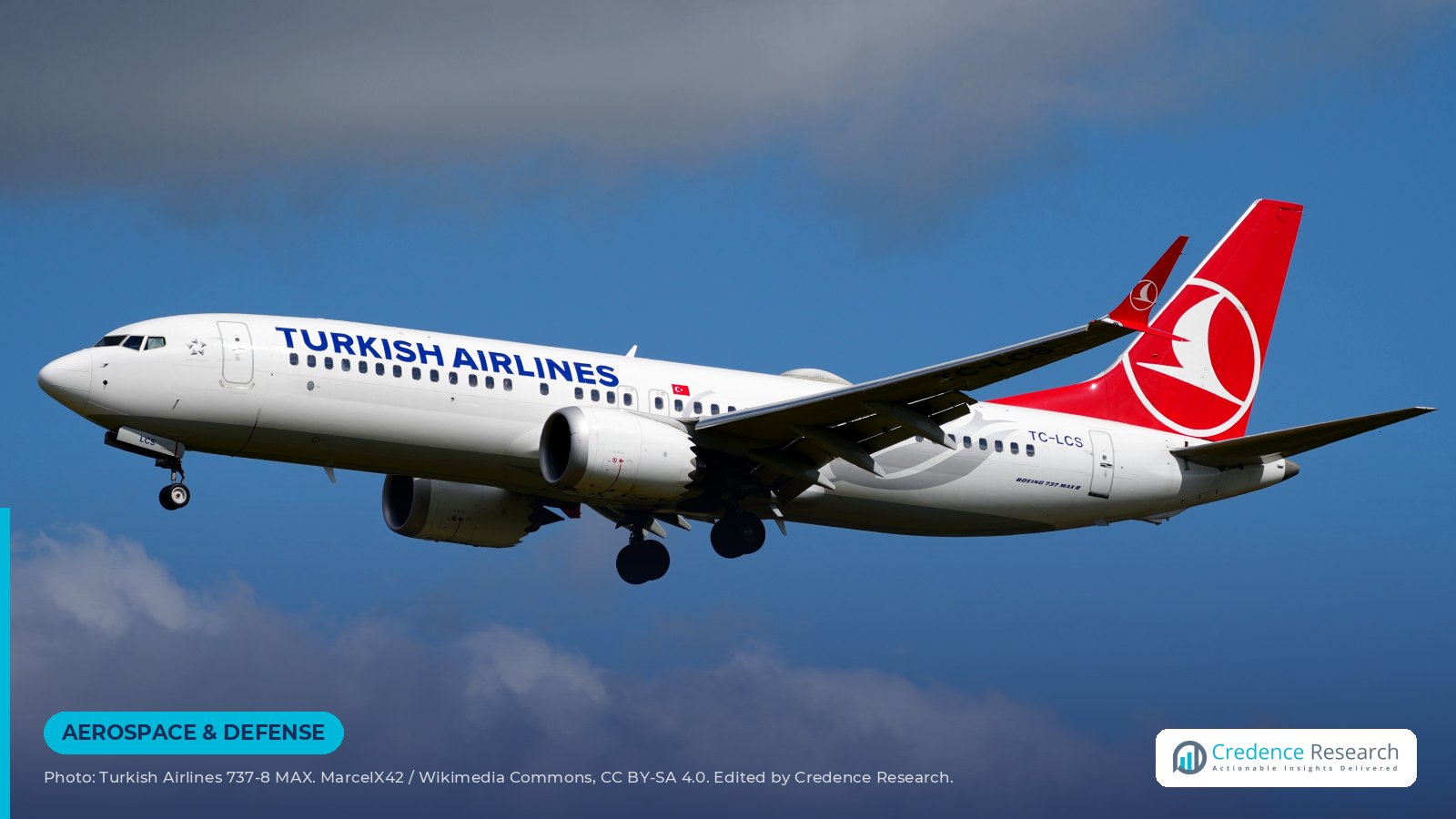
Turkish Airlines on Oct. 16 signed a memorandum of understanding in Istanbul with CFM International to buy more than 300 LEAP-1B engines, including spares, for the 737 MAX jets it ordered from Boeing last month. The same agreement places the airline group's entire LEAP-1B fleet of more than 600 engines under a long-term CFM services contract and backs a plan for Turkish Technic to open an engine maintenance, repair and overhaul facility in Türkiye.
Key developments
- Turkish Airlines intends to buy more than 300 LEAP-1B engines, including spares, to power 100 firm and 50 option Boeing 737 MAX aircraft.
- A long-term services agreement covers more than 600 LEAP-1B engines operated by Turkish Airlines and its low-cost subsidiary AJet, including engines already delivered, spares, engines on leased aircraft and potential options.
- A material services agreement with Turkish Technic supports a planned LEAP engine MRO facility in Türkiye.
- The MoU was signed by Turkish Airlines Chairman Murat Şeker, Turkish Technic CEO Mikail Akbulut and Safran CEO Olivier Andriès. Financial terms were not disclosed.
Industry background
CFM International is a 50-50 joint venture between GE Aerospace and Safran Aircraft Engines, founded in 1974. Its LEAP-1B is the only engine offered on the Boeing 737 MAX family, which means an airline's choice of the aircraft also settles its engine supplier. The negotiation that matters is therefore over price, warranty and long-term maintenance terms rather than over which engine to fit.
Boeing and Turkish Airlines finalized the airframe order on Sept. 23 in New York, in the presence of Turkish President Recep Tayyip Erdoğan. Boeing said the deal covers 100 firm 737-8 aircraft, options for 50 more and rights to substitute the larger 737-10, and that it is the carrier's largest single-aisle order with Boeing. It concluded discussions that began in 2025, when Turkish Airlines also ordered up to 75 787 Dreamliners. Trade publication Air Data News reported that talks with CFM over engine pricing and maintenance terms had held up the 737 MAX order for about a year.
According to CFM, Turkish Airlines today flies 569 passenger and cargo aircraft to 358 destinations in 133 countries. Including AJet, its narrowbody fleet includes 96 737 Next Generation jets powered by CFM56-7B engines and 79 737 MAX aircraft with LEAP-1B engines. CFM says the LEAP family has logged more than 100 million flight hours over 10 years in service, with more than 10,000 engines delivered.
Industry implications
The agreement shows how engine aftermarket terms now shape aircraft purchasing as much as list prices do. By bundling new engine purchases with a services contract for the entire LEAP-1B fleet, Turkish Airlines gains a single framework for shop visits, parts and spare engines across roughly 600 engines, while CFM secures decades of maintenance work tied to a fast-growing operator.
For CFM, the deal adds a large, identified block of demand to a LEAP production system that has faced supply chain constraints in recent years. CFM is rolling out a high-pressure turbine durability kit and a reverse bleed system across the LEAP fleet. Both upgrades are aimed at engine durability, and a services contract covering a fleet of this size will give the two sides a large operating base on which to measure how far those fixes extend time on wing.
Competitive and supply chain implications
The material services agreement is the most strategic piece for Türkiye. Engine MRO is capacity constrained worldwide, and airlines with in-house shops can reduce turnaround times and keep more of the maintenance spend in their own groups. Turkish Technic, which CFM says employs 11,650 people across Istanbul Atatürk, Sabiha Gökçen and Istanbul airports, already provides maintenance services for the group and outside customers. A LEAP-1B line would extend its reach into one of the busiest engine types now in service.
CFM's open MRO approach, which licenses independent and airline-owned shops, gives it a way to expand overhaul capacity without carrying all of the investment itself. For competitors such as Lufthansa Technik, MTU Aero Engines and other independent providers, a new LEAP-capable shop in Türkiye could become a rival for third-party work from airlines in the region, depending on how much capacity Turkish Technic opens to outside customers. No location, timeline or investment figure for the facility was disclosed.
Boeing's statement also said the airframe order includes industrial participation supporting Türkiye's aviation ecosystem, which suggests local content commitments may follow on both the aircraft and engine sides.
Regional implications
Istanbul has become one of the world's busiest connecting hubs, and the 737 MAX is expected to serve high-demand domestic and international routes from it, according to Boeing. Securing engines, spares and local overhaul capacity reduces Turkish Airlines' exposure to the long engine shop visit queues that have kept narrowbody aircraft on the ground at several carriers in recent years.
For Türkiye, the MRO commitment points to more higher-value aviation work staying in the country as the national carrier's fleet grows. For GE Aerospace in the United States and Safran in France, the deal underlines Türkiye's growing weight as a single customer for both companies.
Credence Research analysis
The structure of this agreement matters more than the headline engine count. Turkish Airlines appears to have used the size of its 737 MAX order to secure a services package covering every LEAP-1B it flies, plus a path to domestic overhaul capability. That sequence, firming the airframe order first and then locking in engine support, reflects a buyer that treats lifetime maintenance cost and availability as the binding constraint on fleet economics. Other large carriers negotiating narrowbody orders are likely to push for similar terms.
The open question is execution. The deal is an MoU, so final contracts still need to be signed, and the MRO facility has no disclosed site, schedule or capacity. Delivery timing for the new 737 MAX jets also depends on Boeing's production ramp and on CFM's ability to supply both new engines and spare parts. Until those pieces are fixed, the agreement is best read as a strong commitment on fleet direction rather than a guaranteed increase in near-term capacity.
What comes next
- Conversion of the MoU into firm engine purchase and services contracts between Turkish Airlines and CFM.
- Announcement of the location, investment and opening schedule for the Turkish Technic LEAP-1B MRO facility.
- Delivery schedule details for the 100 firm 737-8 aircraft and any decision to exercise the 50 options or switch some aircraft to the 737-10.
- Rollout of CFM's durability kit and reverse bleed upgrades across the existing Turkish Airlines and AJet LEAP-1B fleet.
- Further industrial participation agreements tied to the Boeing order.
Sources
- CFM International: Turkish Airlines and CFM sign MOU for more than 600 LEAP-1B engines
- Boeing: Boeing and Turkish Airlines Finalize Order for up to 150 737 MAX Jets
- Air Data News: Turkish Airlines finally signs Boeing 737 MAX order
Image: Turkish Airlines Boeing 737-8 MAX TC-LCS at Hamburg Airport, by MarcelX42 via Wikimedia Commons, CC BY-SA 4.0. Cropped and edited by Credence Research.
.jpg)
About the Author

Senior News Editor at Credence Research Inc