| REPORT ATTRIBUTE |
DETAILS |
| Historical Period |
2020-2023 |
| Base Year |
2024 |
| Forecast Period |
2025-2032 |
| Italy Protein Based Sports Supplements Market Size 2024 |
USD 201.60 Million |
| Italy Protein Based Sports Supplements Market, CAGR |
6.16% |
| Italy Protein Based Sports Supplements Market Size 2032 |
USD 325.23 Million |
Market Overview
Italy Protein Based Sports Supplements Market size was valued at USD 201.60 million in 2024 and is anticipated to reach USD 325.23 million by 2032, at a CAGR of 6.16% during the forecast period (2024-2032).
The Italy protein-based sports supplements market is driven by rising health consciousness, increasing participation in fitness activities, and growing demand for functional foods that support muscle development and recovery. The popularity of gym culture and endurance training among younger consumers has significantly boosted the consumption of protein supplements. Moreover, the shift toward personalized nutrition and clean-label products is encouraging manufacturers to innovate with plant-based and allergen-free formulations. E-commerce growth and strong digital marketing strategies, particularly through fitness influencers and social media platforms, are further enhancing product visibility and accessibility. Additionally, the aging population’s interest in maintaining muscle mass and overall wellness is expanding the consumer base beyond traditional athletes. Trends such as the introduction of convenient formats like protein bars and RTD shakes, along with flavor diversification and fortified blends, continue to support market expansion. Collectively, these factors are propelling the growth and diversification of Italy’s protein-based sports supplements market.
The geographical landscape of the Italy protein-based sports supplements market is shaped by the varied consumer preferences and infrastructure across Northern, Central, Southern, and Island regions. Northern Italy, with cities like Milan, Turin, and Venice, leads in adoption due to a strong fitness culture and advanced retail networks. Central regions, including Rome and Florence, also show high engagement, supported by a health-aware urban population and the presence of domestic wellness brands. Southern Italy and the Islands are emerging markets, where increasing health awareness and growing online retail access are driving demand. Key players operating in the Italian market include Volac International Ltd., FrieslandCampina (Vifit Sport), Bulk Powders, Arla Foods Ingredients Group P/S, Nutrend D.S., A.S., Multipower (Atlantic Grupa), Olimp Laboratories, Scitec Nutrition, and Reflex Nutrition. These companies compete through product innovation, strategic branding, and regional distribution to capture the evolving needs of fitness-conscious Italian consumers.
Access crucial information at unmatched prices!
Request your sample report today & start making informed decisions powered by Credence Research Inc.!
Download Sample
Market Insights
- The Italy protein-based sports supplements market was valued at USD 201.60 million in 2024 and is projected to reach USD 325.23 million by 2032, growing at a CAGR of 6.16%.
- The global protein-based sports supplements market was valued at USD 7,372.05 million in 2024 and is projected to reach USD 13,140.51 million by 2032, growing at a CAGR of 7.49%.
- Rising health awareness and fitness culture are driving increased consumption of protein supplements across diverse age groups.
- Consumers are increasingly preferring convenient formats like protein bars and ready-to-drink beverages over traditional powders.
- Leading players such as Volac International Ltd., FrieslandCampina, Arla Foods, and Bulk Powders are focusing on innovation and expanding product lines.
- Regulatory compliance, quality assurance, and price sensitivity remain key challenges limiting faster market penetration.
- Northern Italy dominates in terms of demand, while Central and Southern regions show growing potential due to improving retail access and lifestyle changes.
- Plant-based and allergen-free protein sources are gaining momentum as consumers seek sustainable and inclusive nutrition options.
Report Scope
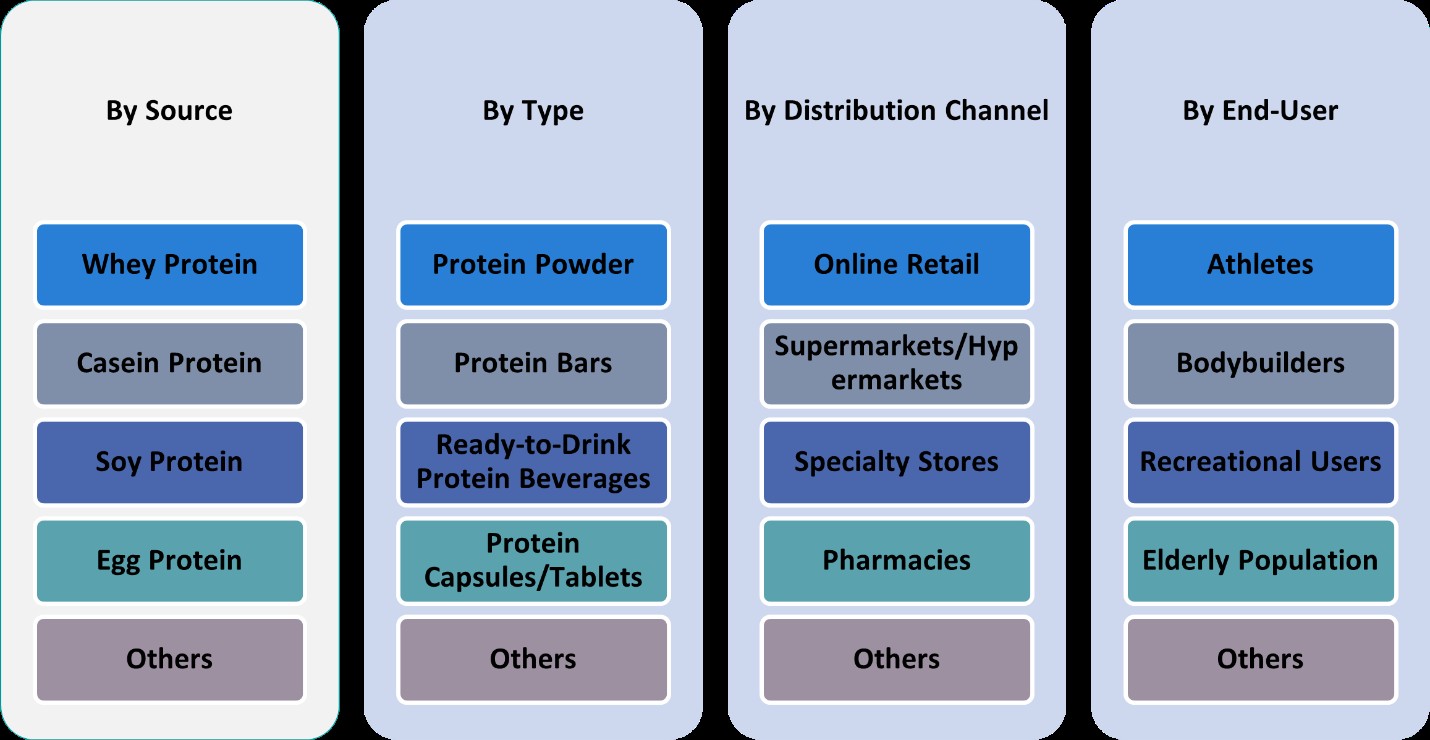
This report segments the Italy Protein Based Sports Supplements Market as follows:
Market Drivers
Rising Health Awareness and Fitness Culture
One of the primary drivers fueling the growth of Italy’s protein-based sports supplements market is the increasing awareness of health and fitness among the general population. The post-pandemic era has witnessed a significant rise in individuals adopting healthier lifestyles and incorporating regular physical activity into their daily routines. Gym memberships, personal training programs, and community-based fitness events are gaining popularity across urban and semi-urban regions. For instance, a report by the Italian National Institute of Statistics highlighted a significant post-pandemic increase in gym memberships and participation in community fitness events across urban and semi-urban regions. This heightened focus on physical well-being has led to an increased demand for dietary supplements, especially protein-based products that aid in muscle repair, strength building, and recovery. Consumers are more inclined to invest in products that support their fitness goals, thereby boosting the market for protein supplements in Italy.
Expanding Consumer Base Beyond Athletes
While professional athletes and bodybuilders have traditionally driven demand for sports nutrition, there is now a notable shift in consumer demographics. The adoption of protein-based supplements is expanding rapidly among recreational gym-goers, working professionals, and older adults who are focused on maintaining a balanced diet and staying active. This shift is supported by greater access to fitness information, increased availability of personalized diet plans, and growing trust in nutritional science. The aging population, in particular, is recognizing the benefits of protein in preserving muscle mass and enhancing mobility, which has opened up new market opportunities for manufacturers targeting senior consumers with tailored protein formulations.
Innovation in Product Formats and Formulations
Manufacturers in Italy are actively responding to consumer demand by introducing innovative and convenient product formats such as protein bars, ready-to-drink (RTD) shakes, and plant-based protein powders. For instance, a report by the Italian Medicines Agency emphasized the growing preference for clean-label, gluten-free, and allergen-free formulations among Italian consumers. These products cater to busy lifestyles and offer on-the-go nutrition, making them appealing to a broader audience. Italian consumers are becoming more ingredient-conscious, favoring products that are natural, sustainable, and free from artificial additives. The rise of veganism and lactose intolerance has further propelled the demand for soy, pea, rice, and hemp-based protein supplements. This innovation-driven approach enhances product appeal and differentiates offerings in a competitive market.
Digital Transformation and E-Commerce Growth
The rapid expansion of e-commerce and digital marketing strategies has significantly contributed to the accessibility and popularity of protein-based sports supplements in Italy. Online platforms provide consumers with easy access to a wide range of products, detailed nutritional information, and customer reviews, enabling more informed purchasing decisions. Social media influencers, fitness bloggers, and wellness coaches play a critical role in promoting protein supplements through personalized endorsements and lifestyle integrations. Additionally, direct-to-consumer (DTC) models are allowing brands to establish closer relationships with consumers, enhance brand loyalty, and gather valuable feedback. The digital ecosystem continues to shape purchasing behavior and serves as a vital channel for both established and emerging supplement brands.
Market Trends
Shift Toward Plant-Based and Clean-Label Products
A notable trend shaping the Italy protein-based sports supplements market is the increasing consumer preference for plant-based and clean-label products. As awareness about sustainability, animal welfare, and dietary sensitivities grows, more consumers are opting for plant-derived protein sources such as pea, rice, soy, and hemp. These alternatives not only cater to vegans and vegetarians but also appeal to lactose-intolerant individuals and those seeking allergen-free options. Clean-label supplements that feature natural ingredients, minimal processing, and transparent labeling are gaining traction, as consumers prioritize health-conscious and environmentally responsible choices. This shift is encouraging brands to reformulate their products and align with evolving consumer expectations.
Growth of Convenient and On-the-Go Supplement Formats
The demand for convenient, time-saving supplement formats continues to rise, driven by the fast-paced lifestyles of modern Italian consumers. For instance, a study by the Federation of Italian Food and Beverage Industries revealed that ready-to-drink (RTD) beverages and protein bars are increasingly popular among fitness enthusiasts and busy professionals due to their portability and ease of consumption. These formats offer portability and ease of consumption, making them ideal for fitness enthusiasts, busy professionals, and students. Additionally, the integration of high-protein content with functional benefits like added vitamins, minerals, and superfoods enhances product value. As convenience becomes a top purchasing factor, manufacturers are investing in packaging innovations and diverse flavor profiles to attract and retain consumers.
Personalized Nutrition and Functional Customization
Personalized nutrition is emerging as a major trend, with consumers seeking products tailored to their unique fitness goals, body types, and dietary needs. For instance, a report by the European Food Safety Authority emphasized the role of AI-powered fitness apps and DNA testing kits in helping consumers make informed decisions about supplement choices. Protein supplements are no longer viewed as one-size-fits-all solutions; instead, consumers are opting for formulas designed to support specific outcomes such as muscle gain, fat loss, endurance, or recovery. In response, brands are launching targeted product lines that include age-specific, gender-specific, and activity-based protein blends. This customization trend is elevating consumer engagement and increasing brand differentiation in the Italian market.
Influencer Marketing and Online Consumer Engagement
Influencer marketing and digital engagement are playing a pivotal role in shaping purchasing decisions in the sports nutrition segment. Fitness influencers, wellness bloggers, and social media personalities in Italy are actively promoting protein supplements through authentic product reviews, workout routines, and nutrition tips. This trend not only boosts brand visibility but also builds consumer trust and loyalty. Additionally, online communities, virtual fitness challenges, and branded content have become powerful tools for consumer education and product promotion. As a result, companies are allocating greater resources to digital campaigns and influencer partnerships to remain competitive in an increasingly social-media-driven marketplace.
Market Challenges Analysis
Stringent Regulatory Landscape and Quality Concerns
One of the major challenges facing the Italy protein-based sports supplements market is navigating the complex and evolving regulatory environment. For instance, a report by the European Specialist Sports Nutrition Alliance (ESSNA) highlighted that compliance with the European Union’s strict guidelines on food safety, labeling, and ingredient claims often requires extensive documentation and testing, which can increase operational costs for manufacturers. Additionally, concerns regarding product authenticity, adulteration, and mislabeling have created trust issues among consumers. Incidents involving substandard or contaminated supplements can significantly damage brand reputation and reduce consumer confidence, making quality assurance and regulatory compliance essential yet challenging aspects of market participation.
High Price Sensitivity and Competitive Pressure
Price sensitivity among Italian consumers presents another significant obstacle for market players. While there is growing interest in health and wellness, many consumers remain cautious about spending on premium protein supplements, especially when cheaper alternatives or generic products are available. This puts pressure on brands to maintain competitive pricing while continuing to invest in product innovation, quality, and marketing. Furthermore, the market is becoming increasingly crowded, with numerous domestic and international brands vying for shelf space and online visibility. This intensifying competition makes it difficult for smaller or newer entrants to establish a foothold without strong differentiation or niche positioning. In this environment, sustained growth requires a balance between affordability, innovation, and brand loyalty.
Market Opportunities
The Italy protein-based sports supplements market presents significant growth opportunities driven by the evolving preferences of health-conscious consumers and advancements in nutritional science. As awareness surrounding the role of protein in overall health, weight management, and muscle maintenance continues to grow, there is a rising demand for specialized formulations catering to different age groups and fitness levels. Brands can capitalize on this by developing targeted products for niche segments such as seniors seeking muscle preservation, women focused on lean body development, or adolescents engaged in active sports. Additionally, the trend toward personalized nutrition offers room for innovation, enabling companies to introduce customizable protein blends aligned with individual dietary needs, lifestyle choices, and fitness objectives.
Moreover, the increasing adoption of digital platforms and e-commerce creates new avenues for market expansion. With the Italian population becoming more digitally engaged, online retail offers a cost-effective and scalable distribution channel for supplement brands. There is also untapped potential in smaller cities and rural areas where traditional retail access may be limited, and online availability can bridge the gap. Collaborations with fitness influencers, sports professionals, and wellness communities can further enhance consumer outreach and brand loyalty. Additionally, the growing popularity of sustainable and ethically sourced ingredients offers opportunities for companies to differentiate themselves through plant-based, organic, or environmentally friendly product lines. As consumer awareness around health, environmental impact, and ethical consumption continues to evolve, brands that align with these values are likely to gain a competitive edge in the Italian market.
Market Segmentation Analysis:
By Type:
In Italy, protein powders continue to lead the market among all product types, driven by their versatility, high protein content, and ease of integration into various dietary routines. Favored by gym-goers and athletes, these powders are commonly consumed post-workout for muscle recovery and growth. Their customizable nature—offering various flavors, protein concentrations, and ingredient blends—enhances their appeal. However, protein bars and ready-to-drink (RTD) beverages are gaining traction rapidly due to shifting consumer preferences toward convenience. These formats suit the on-the-go lifestyles of busy professionals and students, particularly in urban centers. Protein bars are often perceived as healthy meal replacements or snacks, while RTD beverages offer immediate post-exercise nutrition. Protein capsules and tablets, although niche, are used by consumers seeking precise dosage and portability. The ‘Others’ category includes newer formats such as protein cookies and cereals, which reflect the expanding diversification in this market. Overall, product innovation and lifestyle compatibility are reshaping type-wise demand across Italy.
By Source:
Based on source, whey protein holds the largest share of the Italian market, attributed to its high bioavailability, rapid digestion, and well-established reputation among fitness enthusiasts and athletes. It is widely used in powders, shakes, and RTD drinks due to its proven performance benefits. Casein protein, known for its slower digestion rate, is favored by consumers looking for sustained amino acid release, often used before bedtime for muscle recovery. Meanwhile, soy protein and other plant-based proteins such as pea and rice are witnessing a noticeable increase in demand, particularly among vegan, vegetarian, and lactose-intolerant consumers. The trend toward ethical consumption and sustainability is accelerating the adoption of plant-based alternatives. Egg protein, though relatively smaller in market share, is gaining attention for its complete amino acid profile. The ‘Others’ category includes hemp and mixed protein blends tailored for specific health goals. These diverse sources offer consumers flexibility, helping brands cater to a broad range of dietary preferences.
Segments:
Based on Type:
- Protein Powder
- Protein Bars
- Ready-to-Drink Protein Beverages
- Protein Capsules/Tablets
- Others
Based on Source:
- Whey Protein
- Casein Protein
- Soy Protein
- Egg Protein
- Others
Based on End- User:
- Athletes
- Bodybuilders
- Recreational Users
- Elderly Population
- Others
Based on Distribution Channel:
- Online Retail
- Supermarkets/Hypermarkets
- Specialty Stores
- Pharmacies
- Others
Based on the Geography:
- Northern Italy
- Milan
- Turin
- Venice
- Southern Italy
- Naples
- Palermo
- Bari
- Central Italy
- Rome
- Florence
- Bologna
Regional Analysis
Northern Italy
Northern Italy holds the largest share in the protein-based sports supplements market, accounting for approximately 39% of the national revenue in 2024. This dominance is primarily attributed to the region’s strong economic infrastructure, widespread fitness culture, and the presence of major urban centers such as Milan, Turin, and Venice. Milan, in particular, stands out as a wellness hub with a high concentration of gyms, personal training centers, and health-conscious consumers. The region also benefits from better distribution networks, a greater presence of domestic and international supplement brands, and a population that is more likely to invest in premium health products. Moreover, Northern Italy’s higher disposable income levels and urban lifestyles contribute to increased consumption of protein bars, powders, and ready-to-drink formulations among working professionals, athletes, and fitness enthusiasts.
Central Italy
Central Italy contributes approximately 26% to the country’s total protein-based sports supplements market, with Rome, Florence, and Bologna serving as key urban markets. Rome, being the capital city, has a large and diverse consumer base that includes health-focused young adults, professionals, and an expanding older demographic interested in wellness. Florence and Bologna further support market growth with their growing student populations and vibrant sports communities. The central region’s robust healthcare awareness and emphasis on Mediterranean nutrition align well with the rising trend of supplementing diets with functional protein products. Additionally, several domestic supplement manufacturers and health retailers are headquartered in this region, facilitating easier access to new product launches and wellness campaigns.
Southern Italy
Southern Italy, including cities such as Naples, Palermo, and Bari, holds a market share of around 22%. Although traditionally less industrialized than the north, this region is witnessing a growing shift toward healthier lifestyles, especially among the younger population. Increased government and private sector investments in fitness infrastructure, including the opening of gyms and wellness centers, are supporting the adoption of protein-based sports supplements. E-commerce is playing a crucial role in this region by enhancing product accessibility and bridging distribution gaps. As awareness around physical fitness and diet-related health issues grows, Southern Italy presents strong future potential for market expansion, particularly in the affordable and plant-based product segments.
Islands Region (Sardinia and Sicily)
The Islands Region, comprising Sardinia and Sicily, accounts for approximately 14% of the Italian protein-based sports supplements market. Despite representing a smaller share, this region is gaining momentum due to increased urbanization and growing digital penetration. Local consumers are becoming more exposed to global health trends, often influenced by social media and fitness influencers. The rising popularity of home workouts and demand for online nutrition advice have spurred interest in dietary supplements, including protein-based products. Retailers are expanding their footprint through online platforms, allowing for improved reach in remote or less accessible areas. With targeted marketing and tailored formulations, the Islands Region has the potential to grow further as health consciousness continues to spread across Italy.
Key Player Analysis
- Volac International Ltd.
- FrieslandCampina (Vifit Sport)
- Bulk Powders
- Arla Foods Ingredients Group P/S
- Nutrend D.S., A.S.
- Multipower (Atlantic Grupa)
- Olimp Laboratories
- Scitec Nutrition
- Reflex Nutrition
Competitive Analysis
The competitive landscape of the Italy protein-based sports supplements market is marked by innovation, brand differentiation, and strategic expansion by key players. Leading companies such as Volac International Ltd., FrieslandCampina (Vifit Sport), Bulk Powders, Arla Foods Ingredients Group P/S, Nutrend D.S., A.S., Multipower (Atlantic Grupa), Olimp Laboratories, Scitec Nutrition, and Reflex Nutrition are actively competing to capture the evolving demands of health-conscious Italian consumers. These players focus heavily on product innovation, introducing new formulations tailored to specific fitness goals, dietary preferences, and lifestyles. Many brands are also leveraging plant-based and allergen-free protein sources to meet the rising demand for sustainable and inclusive products. Strong distribution networks, partnerships with gyms and fitness centers, and a robust online presence help these companies maintain market relevance. Additionally, strategic branding, influencer marketing, and transparent labeling practices are increasingly used to build trust and customer loyalty. As consumer awareness grows, competition is expected to intensify, driving further innovation and regional penetration.
Recent Developments
- In March 2025, Quest Nutrition introduced Quest Protein Milkshakes, ready-to-drink beverages with a category-leading 45 grams of protein per bottle. Available in chocolate, vanilla, and strawberry flavors, these shakes cater to high-protein diets with minimal sugar and carbs.
- In December 2024, Dymatize launched Performance Protein Shakes and Energyze Pre-Workout Powder. The ready-to-drink shakes contain 30 grams of high-quality proteins along with BCAAs for muscle recovery and growth.
- In November 2024, Myprotein expanded operations in India by manufacturing locally to meet growing demand. The brand introduced localized flavors such as Kesar Badam and Nimbu Pani and launched Clear Whey Isolate as a refreshing alternative to traditional protein shakes.
- In January 2024, Abbott launched Protality, a high-protein weight-loss shake designed for individuals on weight-loss medications. Each serving contains 30 grams of protein and is tailored to preserve muscle mass while supporting weight loss.
Market Concentration & Characteristics
The Italy protein-based sports supplements market exhibits a moderately concentrated structure, with a mix of well-established international brands and emerging domestic players competing for market share. Leading companies dominate through extensive product portfolios, strong brand recognition, and established distribution channels across retail and e-commerce platforms. The market is characterized by high product differentiation, with offerings tailored to various consumer segments, including athletes, fitness enthusiasts, and individuals pursuing wellness lifestyles. Innovation in flavor profiles, formats, and ingredient sourcing especially plant-based and lactose-free options—further shapes market dynamics. Consumer preferences lean towards high-quality, clean-label, and convenient protein supplements, prompting manufacturers to focus on transparency, sustainability, and scientifically backed formulations. The presence of both premium and affordable product ranges reflects a diverse customer base, with urban centers showing higher demand due to greater health awareness and fitness infrastructure. As competition intensifies, companies continue to invest in marketing strategies, research, and regional outreach to strengthen their market position.
Shape Your Report to Specific Countries or Regions & Enjoy 30% Off!
Report Coverage
The research report offers an in-depth analysis based on Type, Source, End-User, Distribution Channel and Geography. It details leading market players, providing an overview of their business, product offerings, investments, revenue streams, and key applications. Additionally, the report includes insights into the competitive environment, SWOT analysis, current market trends, as well as the primary drivers and constraints. Furthermore, it discusses various factors that have driven market expansion in recent years. The report also explores market dynamics, regulatory scenarios, and technological advancements that are shaping the industry. It assesses the impact of external factors and global economic changes on market growth. Lastly, it provides strategic recommendations for new entrants and established companies to navigate the complexities of the market.
Future Outlook
- The demand for protein-based sports supplements in Italy is expected to rise due to increasing health consciousness and fitness trends.
- Growing participation in gym activities and sports is likely to fuel consistent market expansion.
- E-commerce platforms are projected to play a major role in supplement distribution, enhancing product accessibility.
- Consumers are anticipated to shift toward clean-label and natural protein supplements.
- Plant-based protein supplements are expected to gain traction, especially among vegan and vegetarian consumers.
- The aging population in Italy is likely to adopt protein supplements for muscle maintenance and recovery.
- Strategic product innovation and flavor variety will continue to attract a broader consumer base.
- International brands are expected to increase their presence in the Italian market through partnerships and local distribution.
- Regulatory support and labeling transparency will likely improve consumer trust in protein supplements.
- Social media and influencer marketing will continue to drive awareness and demand among younger demographics.



