| REPORT ATTRIBUTE |
DETAILS |
| Historical Period |
2020-2023 |
| Base Year |
2024 |
| Forecast Period |
2025-2032 |
| UAE Human Insulin Market Size 2023 |
USD 47.01 Million |
| UAE Human Insulin Market, CAGR |
2.12% |
| UAE Human Insulin Market Size 2032 |
USD 56.93 Million |
Market Overview
UAE Human Insulin Market size was valued at USD 47.01 million in 2023 and is anticipated to reach USD 56.93 million by 2032, at a CAGR of 2.12% during the forecast period (2023-2032).
The UAE human insulin market is driven by a rising prevalence of diabetes, spurred by lifestyle changes, aging populations, and increasing urbanization. As the demand for diabetes management solutions grows, the adoption of advanced insulin therapies, including rapid-acting, long-acting, and biosimilar insulins, is accelerating. The UAE government’s focus on improving healthcare infrastructure, along with expanding healthcare insurance coverage, is also boosting market growth. Additionally, increasing public awareness about diabetes prevention and treatment options is further contributing to market expansion. Technological advancements in insulin delivery devices, such as insulin pumps and pens, are enhancing patient convenience, thus driving market demand. Furthermore, growing healthcare investments, coupled with the introduction of affordable and high-quality insulin products, are fostering a competitive market environment, encouraging manufacturers to innovate and meet the evolving needs of patients in the UAE.
The UAE human insulin market is driven by key players such as Novo Nordisk, Eli Lilly, and Julphar, who dominate the region with their innovative insulin therapies. Geographically, the market is concentrated in major urban areas like Dubai and Abu Dhabi, where advanced healthcare infrastructure and high diabetes prevalence contribute to the demand for insulin products. These regions are home to numerous healthcare facilities offering a wide range of insulin delivery methods, including pens, syringes, and pumps. Additionally, companies like Biocon, Lupin, and Wockhardt are expanding their presence with affordable biosimilars, catering to a growing middle-income population. The focus on improving healthcare accessibility across all Emirates, including Sharjah, Ras Al Khaimah, and Fujairah, is fostering increased market penetration in these regions. The continuous efforts to enhance diabetes care and management, supported by both local and international players, are key drivers of growth in the UAE insulin market.
Access crucial information at unmatched prices!
Request your sample report today & start making informed decisions powered by Credence Research Inc.!
Download Sample
Market Insights
- The UAE human insulin market was valued at USD 47.01 million in 2023 and is projected to reach USD 56.93 million by 2032, growing at a CAGR of 2.12%.
- The global human insulin market was valued at USD 21,000 million in 2023 and is projected to reach USD 31,208 million by 2032, growing at a CAGR of 4.50% from 2023 to 2032.
- Rising diabetes prevalence in the UAE, driven by lifestyle changes, urbanization, and an aging population, is a major driver for market growth.
- Advances in insulin therapy, such as biosimilars and improved delivery devices like insulin pens and pumps, are expected to boost demand.
- The increasing adoption of digital health solutions and smart insulin devices is a key trend, providing convenience and accuracy for diabetes management.
- The competitive landscape is dominated by major players such as Novo Nordisk, Eli Lilly, and Julphar, with several other companies focusing on biosimilars and affordable insulin options.
- High costs of branded insulin products and limited access to affordable healthcare remain significant market restraints.
- The market is primarily concentrated in urban areas like Abu Dhabi and Dubai, with growing demand in Sharjah, Ras Al Khaimah, and Fujairah due to expanding healthcare access.
Report Scope
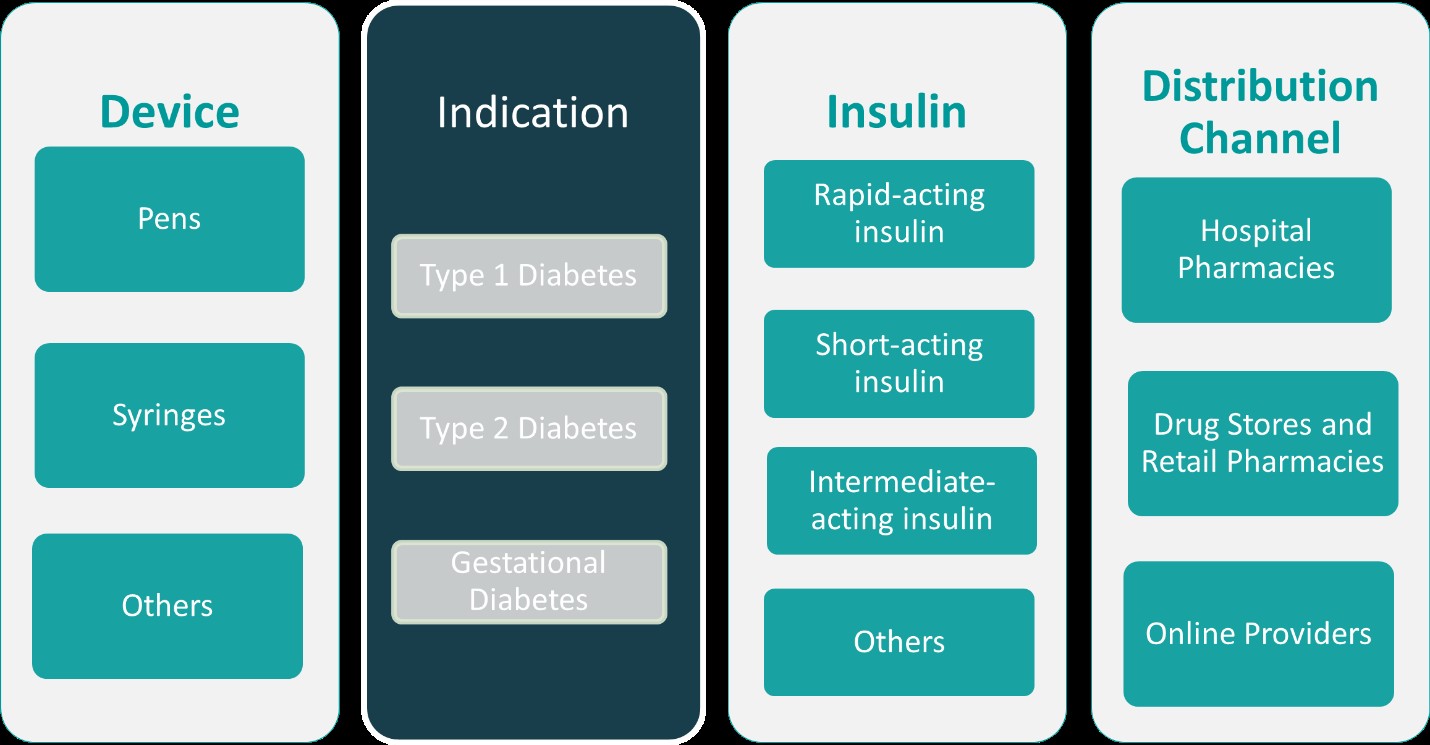
This report segments the UAE Human Insulin Market as follows:
Market Drivers
Rising Prevalence of Diabetes
The growing prevalence of diabetes in the UAE is one of the primary drivers of the human insulin market. According to recent statistics, the UAE has one of the highest diabetes rates globally, with a significant portion of the population affected by Type 1 and Type 2 diabetes. This sharp increase in diabetes cases is largely attributed to the region’s urbanization, sedentary lifestyle, unhealthy dietary habits, and genetic predispositions. As more individuals are diagnosed with diabetes, there is a heightened demand for insulin to manage blood sugar levels. Consequently, the rise in diabetes prevalence is directly driving the need for insulin products and therapies, leading to market expansion.
Rising Public Awareness and Patient Empowerment
Public awareness about diabetes and its management has significantly increased in the UAE, driven by both governmental campaigns and private-sector initiatives. For instance, the Ministry of Health and Prevention Annual Report highlights efforts to improve early detection of diabetes, with over 150,000 screenings conducted in one year. As awareness about the risks of uncontrolled diabetes grows, more people are seeking timely diagnosis and treatment, which directly contributes to the demand for insulin. Educational campaigns and public health efforts are promoting healthier lifestyles, early detection, and the importance of regular monitoring of blood glucose levels. This shift in patient behavior towards more proactive management of diabetes has fostered greater adoption of insulin therapies. Additionally, patient empowerment through access to information, coupled with improvements in patient education on diabetes management, has contributed to the growing acceptance of insulin therapy as an essential part of disease management, further fueling the market for human insulin in the UAE.
Advancements in Insulin Therapy
Technological innovations in insulin therapy are transforming diabetes management, contributing to the market’s growth. Advances in the development of insulin formulations—such as rapid-acting, long-acting, and biosimilar insulins have improved the effectiveness and convenience of treatment. For instance, the EJADA Program outlines key performance indicators for diabetes treatment in the UAE, emphasizing the adoption of newer insulin formulations and delivery systems. Biosimilars, in particular, are gaining popularity due to their cost-effectiveness, offering a more affordable alternative to branded insulin without compromising on quality. Furthermore, developments in insulin delivery systems, including insulin pens, pumps, and continuous glucose monitoring devices, provide greater convenience and accuracy for patients. These advancements in insulin therapies and delivery methods have made it easier for individuals to manage their condition, thus driving the demand for human insulin products in the UAE.
Government Initiatives and Healthcare Infrastructure
The UAE government plays a crucial role in driving the growth of the human insulin market through its commitment to improving healthcare infrastructure and accessibility. With the increasing burden of diabetes on public health, the government has implemented various policies aimed at enhancing healthcare services, expanding insurance coverage, and promoting disease prevention initiatives. The UAE Vision 2021, which emphasizes improving the healthcare system, ensures that diabetes management and treatment options, including insulin, are accessible to a larger segment of the population. In addition, the government’s efforts to enhance health awareness and offer preventive care programs have contributed to better management of diabetes, creating a sustained demand for insulin products.
Market Trends
Growing Adoption of Biosimilar Insulin
A significant market trend in the UAE human insulin market is the growing adoption of biosimilar insulins. As healthcare systems across the world, including in the UAE, face increasing pressure to manage healthcare costs, biosimilars present an affordable alternative to brand-name insulins. These insulin products, which are similar in structure and function to the original insulin drugs but are sold at lower prices, offer a cost-effective solution for patients and healthcare providers. The UAE’s healthcare landscape, which includes both private and public sector players, is witnessing increased uptake of biosimilar insulins due to their affordability and effectiveness, driving the market toward greater inclusivity and access to diabetes treatments.
Expansion of Insulin Delivery Devices
Another key trend is the growing use of advanced insulin delivery devices. Traditional insulin injections have been supplemented by innovations in insulin pens, insulin pumps, and continuous glucose monitoring systems, making diabetes management more convenient and precise. For instance, the GCC and UAE Diabetes Devices Market Report highlights the increasing adoption of smart insulin delivery systems, including wearable insulin pumps and CGM devices. These advanced devices offer greater flexibility, allowing patients to adjust their insulin dosages based on real-time glucose monitoring. As the demand for user-friendly and efficient insulin delivery methods increases, manufacturers are investing heavily in the development of smart insulin devices that integrate with mobile apps for tracking blood sugar levels and insulin usage. This trend toward more sophisticated and efficient insulin delivery systems is enhancing patient compliance and improving overall management of diabetes in the UAE.
Integration of Digital Health Solutions
The integration of digital health technologies is another prominent trend shaping the UAE human insulin market. Mobile applications, telemedicine platforms, and wearable health devices are becoming increasingly popular among diabetic patients for monitoring glucose levels and insulin use. For instance, the UAE Digital Transformation Report discusses the nation’s advancements in digital healthcare, including AI-driven treatment recommendations and telemedicine expansion. These digital health solutions enable real-time data tracking and communication with healthcare providers, improving the accuracy of treatment adjustments. The convenience of remote consultations and personalized care plans helps patients manage their diabetes more effectively, driving the demand for insulin products that complement these technologies. As digital health solutions continue to evolve, the trend toward a more connected and data-driven approach to diabetes management is expected to significantly impact the human insulin market in the UAE.
Emphasis on Preventive Healthcare and Early Diagnosis
The UAE has seen a significant shift toward preventive healthcare, which is increasingly reflected in the approach to managing diabetes. The government and healthcare providers are placing greater emphasis on early diagnosis, regular screening, and lifestyle interventions to prevent the onset of Type 2 diabetes. As part of this trend, public health initiatives are focusing on educating citizens about the risks of diabetes and encouraging healthier lifestyles, including better dietary habits and regular physical activity. Early detection and management of diabetes allow for better control of the condition, reducing the need for more intensive treatments. This proactive approach not only supports the growth of the insulin market but also reduces the long-term burden on healthcare systems by preventing complications related to uncontrolled diabetes.
Market Challenges Analysis
High Cost of Insulin and Treatment Accessibility
One of the key challenges facing the UAE human insulin market is the high cost of insulin and its associated treatments. Despite efforts to improve healthcare accessibility, the price of branded insulin products remains a barrier for many patients, especially those without comprehensive insurance coverage. For instance, a study on diabetes costs in the UAE found that direct costs of diabetes mellitus amounted to USD 4.16 billion, representing 23.25% of the UAE’s total health expenditure. While biosimilars offer a more affordable alternative, the high cost of advanced insulin delivery devices, such as insulin pumps and continuous glucose monitors, can still be prohibitive for a significant portion of the population. Although the UAE government has taken steps to address this issue through subsidized healthcare programs, disparities in access to insulin therapies persist, particularly in lower-income or uninsured populations. This continues to limit the full reach of insulin products and creates a gap in diabetes management.
Limited Awareness and Education on Diabetes Management
Another challenge is the limited awareness and education regarding diabetes management, particularly in rural areas or among underserved communities. While public health campaigns are increasing awareness about diabetes, there is still a need for more widespread education on the importance of proper diabetes management, including insulin usage, lifestyle modifications, and regular monitoring of blood sugar levels. Inadequate knowledge about the effective use of insulin, as well as misconceptions about its side effects, can lead to poor patient adherence to prescribed treatments. This hampers the overall effectiveness of diabetes care and poses a barrier to the successful adoption of insulin therapies. The need for more robust educational initiatives on diabetes management remains a critical challenge in expanding the UAE human insulin market.
Market Opportunities
The UAE human insulin market presents several significant opportunities driven by the growing demand for diabetes management solutions. As the prevalence of diabetes continues to rise in the region, there is a substantial opportunity for both domestic and international insulin manufacturers to expand their product offerings. The increasing adoption of biosimilar insulins, which are more affordable alternatives to branded products, opens avenues for companies to capture market share while making diabetes treatment more accessible. Additionally, with the government’s ongoing focus on healthcare improvements and insurance coverage, manufacturers can tap into a broader consumer base, including those in underserved areas. The government’s investments in healthcare infrastructure also create opportunities for expanding distribution networks and enhancing access to insulin therapies in both urban and rural areas.
Another key opportunity lies in the integration of advanced insulin delivery technologies and digital health solutions. The rising demand for insulin pens, pumps, and continuous glucose monitoring devices offers an opportunity for manufacturers to innovate and meet the evolving needs of diabetic patients. These devices not only improve the convenience and accuracy of insulin administration but also enhance patient compliance and quality of life. Furthermore, the increasing use of mobile health applications and telemedicine platforms for diabetes management provides an opportunity for companies to integrate their insulin products with digital health solutions. By offering bundled solutions that combine insulin therapy with advanced monitoring technologies, manufacturers can cater to a growing segment of tech-savvy patients seeking comprehensive, integrated care. As awareness and patient education improve, the market for human insulin in the UAE is poised for continued growth and innovation.
Market Segmentation Analysis:
By Device:
The UAE human insulin market is segmented based on the type of delivery device, with the primary categories being pens, syringes, and others. Among these, insulin pens have seen a substantial rise in popularity due to their ease of use, precision, and convenience. Insulin pens are preferred by both Type 1 and Type 2 diabetes patients for their portability, accuracy in dosage, and discreet application. This segment is expected to dominate the market as more patients shift toward user-friendly delivery systems. Syringes, though historically the most common method of insulin administration, have seen a decline in preference due to the rise of more advanced delivery devices like pens and insulin pumps. Despite this, syringes continue to be used, especially in rural or low-income segments where more affordable options are needed. Other devices, such as insulin pumps and jet injectors, are gaining traction among Type 1 diabetes patients who require more precise control over their insulin delivery. These devices are anticipated to see further growth due to increasing demand for advanced, continuous delivery systems that improve patient outcomes.
By Indication:
The UAE human insulin market is also segmented based on indication, with the major categories being Type 1 diabetes, Type 2 diabetes, and gestational diabetes. Type 1 diabetes, characterized by the body’s inability to produce insulin, drives the demand for human insulin products as insulin therapy is essential for managing the condition. This segment is expected to maintain a significant market share, with insulin products being a core component of treatment. Type 2 diabetes, which involves insulin resistance, is increasingly prevalent in the UAE due to lifestyle factors such as poor diet and physical inactivity. As this segment grows, there is a rising demand for insulin therapies, especially as the condition progresses and patients require insulin therapy for management. Gestational diabetes, which occurs during pregnancy, is another key segment that contributes to market growth. Although less common, the increasing awareness and diagnosis of gestational diabetes drive demand for insulin products tailored to pregnant women. Together, these segments represent a comprehensive market opportunity for insulin manufacturers in the UAE.
Segments:
Based on Device:
Based on Indication:
- Type 1 Diabetes
- Type 2 Diabetes
- Gestational Diabetes
Based on Insulin:
- Rapid-acting insulin
- Short-acting insulin
- Intermediate-acting insulin
- Others
Based on Distribution Channel:
- Hospital Pharmacies
- Drug Stores and Retail Pharmacies
- Online Providers
Based on the Geography:
- Abu Dhabi
- Dubai
- Sharjah
- Ajman
- Fujairah
- Ras Al Khaimah
- Umm Al Quwain
Regional Analysis
Abu Dhabi
Abu Dhabi holds a significant share of the UAE human insulin market, accounting for approximately 35% of the total market. As the capital and one of the most developed regions in the UAE, Abu Dhabi has a well-established healthcare infrastructure, which facilitates easy access to insulin therapies. The high prevalence of diabetes in the region, combined with the availability of advanced healthcare services and medical professionals, contributes to the growing demand for insulin. Government initiatives, such as expanded health insurance coverage and public health programs aimed at diabetes management, further boost market growth in Abu Dhabi. Additionally, the increasing urbanization and lifestyle changes in the capital have led to a higher incidence of diabetes, driving the demand for insulin products, especially as the population ages and the number of Type 2 diabetes cases rises.
Dubai
Dubai represents another major market for human insulin in the UAE, holding a market share of approximately 40%. As the commercial and tourism hub of the region, Dubai’s population is diverse, with a large expat community and a higher proportion of high-income individuals. This diversity is reflected in the demand for both branded and biosimilar insulin products, with many residents seeking advanced diabetes management solutions. The city’s modern healthcare facilities, including private hospitals and clinics, offer state-of-the-art diabetes treatment and insulin therapies, which contributes to the market’s growth. Moreover, Dubai’s robust healthcare policies and increasing health-consciousness among its residents further fuel the demand for insulin. As more people are diagnosed with Type 2 diabetes due to sedentary lifestyles, the market for insulin delivery devices, such as insulin pens and pumps, is expected to continue growing rapidly in the region.
Sharjah and Ajman
Sharjah and Ajman collectively account for around 15% of the UAE human insulin market. Sharjah, with its significant industrial and residential presence, has a rising population that is increasingly affected by lifestyle diseases like diabetes. Despite having a lower per capita income compared to Abu Dhabi and Dubai, Sharjah’s healthcare system is improving, with public and private health facilities expanding access to insulin products. The demand for affordable insulin options, such as biosimilars and syringes, is growing in Sharjah, particularly in the low- and middle-income population segments. Ajman, with a smaller population but growing healthcare infrastructure, contributes a smaller share of the market but still plays a significant role. Both regions show promise for growth, driven by increasing diabetes awareness and efforts to improve healthcare accessibility.
Fujairah, Ras Al Khaimah, and Umm Al Quwain
The remaining regions, including Fujairah, Ras Al Khaimah, and Umm Al Quwain, account for the final 10% of the UAE human insulin market. These areas have smaller populations and more limited healthcare infrastructure compared to the larger emirates. However, they still exhibit increasing demand for insulin products due to growing awareness of diabetes and its management. Fujairah, with a more rural setting, relies heavily on government healthcare programs to provide insulin to its residents. Ras Al Khaimah and Umm Al Quwain, while having less market penetration, are seeing a gradual rise in diabetes diagnosis and treatment demand. The focus on expanding healthcare access and affordability in these regions is expected to contribute to moderate growth in the market share, particularly with the introduction of more cost-effective insulin delivery options such as syringes and biosimilars.
Key Player Analysis
- Novo Nordisk A/S
- MannKind Corporation
- Pfizer
- Wockhardt
- Biocon
- Lupin
- Tonghua Dongbao Pharmaceutical Co
- Eli Lilly and Company
- Julphar
Competitive Analysis
The UAE human insulin market is highly competitive, with leading players such as Novo Nordisk, Eli Lilly, Julphar, MannKind Corporation, Pfizer, Wockhardt, Biocon, Lupin, and Tonghua Dongbao Pharmaceutical Co. dominating the landscape. Leading manufacturers are continuously investing in research and development to introduce advanced insulin products, including fast-acting, long-acting, and biosimilar variants, to cater to the diverse needs of diabetic patients. There is a strong emphasis on developing user-friendly insulin delivery devices such as pens and pumps, which enhance treatment adherence and patient comfort. Additionally, companies are forming strategic partnerships with healthcare providers and expanding their distribution networks to strengthen their market position. The rising competition is also pushing players to focus on affordability initiatives and patient education programs, aligning with the UAE’s national health goals. The competitive dynamics are further intensified by the entry of biosimilar insulin products, which offer cost-effective solutions, making diabetes management more accessible to a broader segment of the population.
Recent Developments
- In April 2025, Novo Nordisk announced the discontinuation of Human Mixtard, India’s largest-selling human insulin brand, as part of a global strategy to prioritize newer, patented diabetes and weight loss therapies such as Ozempic and Wegovy. While vial forms of Mixtard, Actrapid, and Insulatard will remain available, pen devices (Penfills and FlexPens) are being phased out, which is expected to disrupt patient access and preference in India.
- In April 2025, Pfizer discontinued the development of danuglipron, its once-daily oral GLP-1 receptor agonist for obesity and type 2 diabetes, following a case of drug-induced liver injury and after reviewing clinical and regulatory feedback. This decision halts further clinical development for both obesity and diabetes indications.
- In March 2025, Biocon Biologics entered a strategic collaboration with Civica, Inc. to expand access to Insulin Aspart in the United States. Biocon will supply the drug substance, which Civica will formulate and commercialize after completing development and clinical trials.
- In December 2024, Lupin acquired the Huminsulin® portfolio in India from Eli Lilly and Company. The range includes Insulin Human (Huminsulin R, NPH, 50/50, and 30/70) and is indicated for type 1 and type 2 diabetes. Lupin had previously marketed these products under a distribution agreement, and the acquisition is aimed at strengthening its diabetes portfolio.
- In November 2024, MannKind’s Afrezza® (insulin human) Inhalation Powder received approval from India’s CDSCO. MannKind expects to ship product to its partner Cipla by the end of 2025.
- In October 2024, Wockhardt filed for approval of its fast-acting insulin analog, Aspart injection (ASPARAPID™), with the Drugs Controller General of India (DCGI). The product, developed indigenously, will be offered in cartridges, vials, and prefilled disposable pens. This expands Wockhardt’s diabetes biosimilars portfolio and addresses a market with limited competition.
Market Concentration & Characteristics
The UAE human insulin market exhibits a moderate to high level of market concentration, with a few major players dominating the landscape through strong brand recognition, extensive product portfolios, and established healthcare partnerships. The market is characterized by a focus on innovation, particularly in the development of advanced insulin formulations and delivery systems such as pens and pumps. A growing shift toward biosimilar insulin products is evident, driven by the need for cost-effective treatment options. Healthcare policies promoting early diagnosis and chronic disease management further shape market dynamics, encouraging wider insulin adoption. Urban areas like Dubai and Abu Dhabi lead in terms of demand due to their advanced healthcare infrastructure and higher diabetes prevalence. The market also demonstrates a strong emphasis on quality, regulatory compliance, and patient-centric approaches, with companies striving to meet the UAE’s stringent healthcare standards. As digital health integration advances, the market continues to evolve toward more connected and personalized diabetes care.
Shape Your Report to Specific Countries or Regions & Enjoy 30% Off!
Report Coverage
The research report offers an in-depth analysis based on Device, Indication, Insulin, Distribution Channel and Geography. It details leading market players, providing an overview of their business, product offerings, investments, revenue streams, and key applications. Additionally, the report includes insights into the competitive environment, SWOT analysis, current market trends, as well as the primary drivers and constraints. Furthermore, it discusses various factors that have driven market expansion in recent years. The report also explores market dynamics, regulatory scenarios, and technological advancements that are shaping the industry. It assesses the impact of external factors and global economic changes on market growth. Lastly, it provides strategic recommendations for new entrants and established companies to navigate the complexities of the market.
Future Outlook
- The demand for human insulin in the UAE is expected to grow steadily due to the rising prevalence of diabetes.
- Adoption of biosimilar insulin products will increase, driven by the need for affordable treatment options.
- Innovation in insulin delivery devices, such as smart pens and pumps, will enhance patient adherence and convenience.
- Greater integration of digital health technologies will support personalized diabetes management solutions.
- Healthcare policies promoting early detection and preventive care will boost insulin usage rates.
- Expansion of healthcare infrastructure in smaller emirates will create new growth opportunities for insulin providers.
- Strategic partnerships between pharmaceutical companies and healthcare providers will strengthen market reach.
- Patient education programs on diabetes management and insulin use will become more widespread.
- Focus on localized manufacturing and supply chain improvements will enhance market stability.
- Growing investments in research and development will lead to the introduction of more advanced insulin formulations.



