
Market Overview:
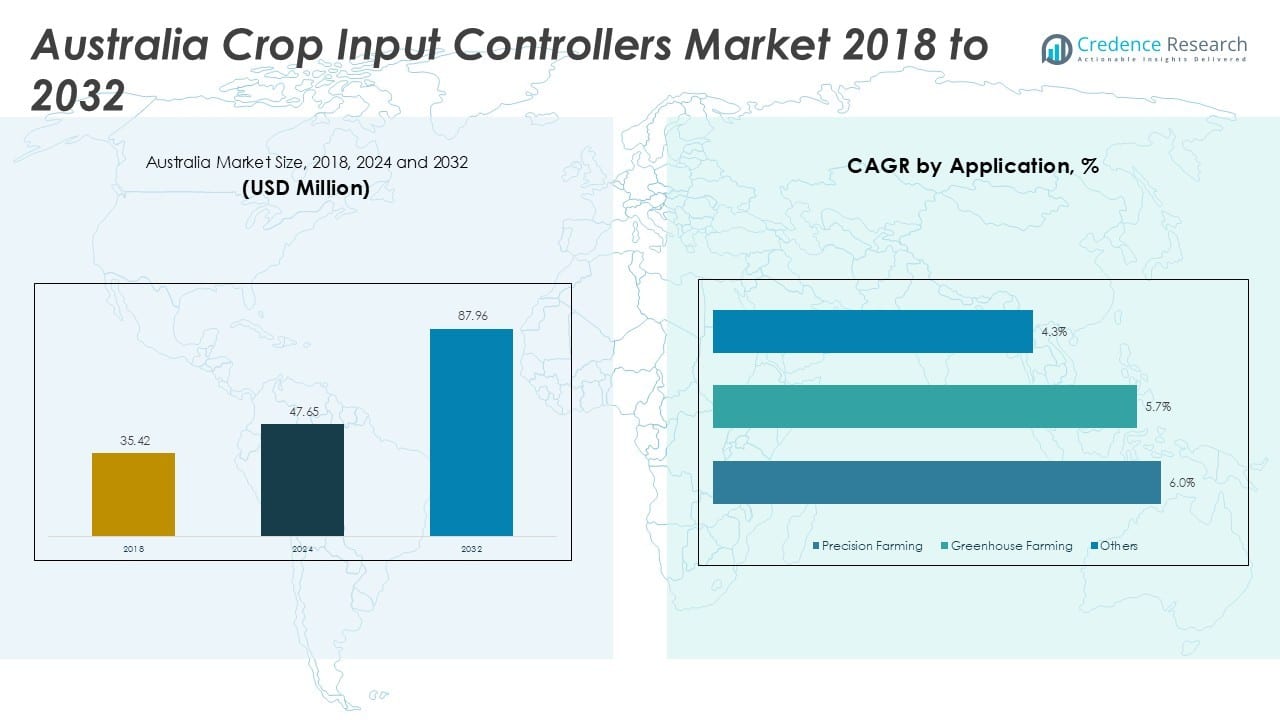
The Australia BOPP Films Market size was valued at USD 389.23 million in 2018 to USD 469.64 million in 2024 and is anticipated to reach USD 739.49 million by 2032, at a CAGR of 5.84% during the forecast period.
| REPORT ATTRIBUTE | DETAILS |
|---|---|
| Historical Period | 2020-2023 |
| Base Year | 2024 |
| Forecast Period | 2025-2032 |
| Australia BOPP Films Market Size 2024 | USD 469.64 Million |
| Australia BOPP Films Market, CAGR | 5.84% |
| Australia BOPP Films Market Size 2032 | USD 739.49 Million |
Key factors driving market growth include growing environmental awareness, government emphasis on recyclable packaging, and the expanding e-commerce and retail sectors. The shift toward sustainable packaging materials and technological innovations in film production-such as improved barrier properties and clarity-are enhancing product performance and expanding usage across industrial and consumer segments. Additionally, the preference for lightweight and customizable packaging solutions continues to fuel demand from both manufacturers and end-users.
Regionally, New South Wales and Victoria dominate the Australian BOPP films market due to their well-established manufacturing bases and concentration of packaging converters. Queensland is also witnessing significant growth, driven by expanding food processing and agricultural exports that require reliable and efficient packaging materials.
Market Insights:
- The Australia BOPP Films Market reached USD 469.64 million in 2024 and is projected to hit USD 739.49 million by 2032, growing at a CAGR of 5.84%.
- Rising focus on sustainability and government policies promoting recyclable packaging are driving market expansion.
- Strong demand from the food and beverage sector boosts usage due to superior moisture resistance and shelf-life benefits.
- Advancements in extrusion and orientation technology enhance film quality, strength, and cost efficiency.
- Volatile polypropylene prices and supply chain constraints continue to challenge production stability.
- New South Wales and Victoria hold 58% of total revenue, followed by Queensland with 23% driven by food exports and packaging growth.
- Western and Southern Australia present new investment prospects supported by recycling and sustainable manufacturing initiatives.
Market Drivers:
Growing Demand for Sustainable and Recyclable Packaging Solutions
The Australia BOPP Films Market is witnessing strong growth driven by increasing consumer and regulatory focus on sustainable packaging. Government initiatives promoting recycling and the use of eco-friendly materials are encouraging manufacturers to adopt recyclable BOPP films. It offers an environmentally responsible alternative to traditional plastics, meeting sustainability goals without compromising performance. The rising awareness of plastic waste management is further accelerating the shift toward BOPP films in food, beverage, and personal care packaging.
- For instance, Taghleef Industries, a prominent manufacturer in Australia, produces BOPP films like their TLA 17µm film with a material density of 15.5 g/m2, contributing to lightweighting and material reduction in packaging.
Expansion of the Food and Beverage Industry Fueling Consumption
The rapidly expanding food and beverage industry across Australia is a major contributor to market growth. BOPP films provide superior moisture resistance, high tensile strength, and extended shelf life, making them ideal for flexible packaging applications. It ensures product freshness and visual appeal, which is essential for competitive retail environments. Increasing demand for ready-to-eat meals, snacks, and packaged beverages continues to boost the consumption of BOPP films across supermarkets and e-commerce platforms.
- For instance, Taghleef Industries produces its TLA BoPP film at a thickness of just 17µm, providing a high-performance, heat-sealable packaging solution for the food industry that offers good moisture barrier properties.
Technological Advancements Enhancing Film Performance and Efficiency
Continuous improvements in film extrusion and orientation technology are enhancing the performance and versatility of BOPP films. It enables the production of thinner, stronger, and high-clarity films that reduce material usage while maintaining durability. The development of high-barrier and specialty grades supports diverse applications in lamination, labeling, and printing. Manufacturers investing in modern production facilities are achieving greater efficiency and improved cost competitiveness within the Australian market.
Growth in E-Commerce and Retail Packaging Applications
The expansion of Australia’s e-commerce and retail sectors is driving significant demand for lightweight and durable packaging materials. It supports product protection during transportation and enhances shelf presentation for online and offline sales. BOPP films provide an optimal balance of flexibility, strength, and printability, making them highly suitable for branded packaging. The increasing preference for attractive, cost-efficient, and sustainable packaging is expected to sustain strong market momentum through 2032.
Market Trends:
Rising Shift Toward Bio-Based and Recyclable BOPP Films
The Australia BOPP Films Market is experiencing a noticeable transition toward bio-based and recyclable film variants driven by environmental regulations and corporate sustainability goals. It aligns with Australia’s national focus on reducing plastic waste and promoting circular economy principles. Manufacturers are investing in bio-polypropylene and advanced recycling technologies to reduce dependency on fossil-based raw materials. The demand for eco-friendly packaging from food, beverage, and personal care industries continues to strengthen this trend. Companies are emphasizing product innovation to meet the growing preference for low-carbon and recyclable packaging formats. Retailers and brand owners are also integrating sustainability commitments into their supply chains, pushing converters to adopt environmentally compliant BOPP films.
- For instance, Innovia Films, a prominent producer in Australia, launched one educational video in June 2024 to highlight the role of polypropylene films in achieving sustainable packaging and to explain the benefits of their ISCC certified bio-based polymers.
Increased Demand for High-Performance and Specialty Films
The growing preference for high-barrier and specialty BOPP films is shaping market innovation and differentiation. It supports applications requiring enhanced protection against moisture, oxygen, and light-key factors in food preservation and shelf-life extension. The integration of advanced coatings and metallization technologies improves print quality, sealing performance, and packaging durability. Converters and manufacturers are focusing on product customization to meet evolving end-user specifications in sectors such as pharmaceuticals and consumer goods. Rising competition among packaging producers is prompting investments in high-clarity and multi-functional films. This trend is strengthening Australia’s position in the Asia-Pacific packaging value chain and fostering long-term technological progress in film production.
- For instance, Amcor Rigid Packaging is celebrating advancements in responsible packaging by recognizing 5 innovative concepts in its 2025 'Bottles of the Year' awards, which highlight new designs for the beverage, food, and healthcare sectors.
Market Challenges Analysis:
Volatility in Raw Material Prices and Supply Chain Constraints
The Australia BOPP Films Market faces challenges due to fluctuations in polypropylene prices and global supply chain disruptions. It depends heavily on petrochemical feedstocks, making production costs vulnerable to crude oil price variations. Unstable supply conditions and increased transportation expenses create uncertainty for manufacturers and distributors. The limited availability of high-quality raw materials within the domestic market adds to production pressures. Companies must adopt effective procurement and inventory strategies to maintain cost stability and ensure consistent product availability. Such volatility can affect profit margins and limit the competitiveness of local producers against low-cost imports.
Environmental Regulations and Recycling Infrastructure Limitations
Strict environmental standards and the lack of advanced recycling infrastructure present significant hurdles for market expansion. It must comply with evolving national sustainability targets focused on reducing plastic waste and increasing recycling rates. Many recycling facilities are not yet equipped to handle multi-layer or metallized BOPP films efficiently. The high cost of recycling technologies and limited collection systems hinder the circular use of polypropylene-based films. Manufacturers are required to balance performance demands with environmental compliance, which can increase operational complexity. These factors collectively challenge the scalability of sustainable packaging solutions within the Australian market.
Market Opportunities:
Emergence of Eco-Friendly and Bio-Based Film Alternatives
The Australia BOPP Films Market presents significant opportunities through the development of eco-friendly and bio-based materials. It supports the national sustainability agenda by reducing dependence on conventional plastics and promoting recyclable solutions. Manufacturers investing in bio-polypropylene and biodegradable additives can capture growing demand from environmentally conscious industries. The shift toward green packaging provides potential for new product lines that align with corporate environmental goals. Partnerships with research institutions and technology providers can accelerate the commercialization of low-carbon BOPP films. This transition enhances brand reputation and opens export opportunities to regions with strict environmental regulations.
Expanding Demand from E-Commerce and Food Packaging Sectors
Rising e-commerce penetration and the growing packaged food industry are creating strong prospects for market expansion. It benefits from the need for durable, lightweight, and visually appealing packaging solutions that ensure product safety during transport. The versatility of BOPP films allows customization for labeling, lamination, and printing applications, meeting the diverse requirements of modern retailers. Growth in online retail and convenience food consumption is encouraging packaging innovation among domestic producers. Investment in high-performance film grades with better sealing and barrier properties can strengthen market competitiveness. These opportunities position Australia as an emerging hub for advanced and sustainable packaging materials in the Asia-Pacific region.
Market Segmentation Analysis:
By Type
The Australia BOPP Films Market is segmented into bags & pouches, wraps, tapes, and labels. Bags & pouches dominate due to their extensive use in food and retail packaging, offering durability, moisture resistance, and high printability. Wraps and tapes serve industrial and consumer applications requiring protective and sealing properties. Labels are increasingly adopted for branding and compliance purposes, driven by demand for high-clarity and printable films. It provides manufacturers flexibility to tailor products to specific end-user needs while maintaining cost efficiency.
- For instance, Innovia Films' Rayoface™ AQBHA, a uniquely engineered two-side coated cavitated film for pressure-sensitive labelling, is 58 microns thick to provide a specialized solution for hot melt adhesive applications.
By Application
The market covers applications in food, beverage, tobacco, personal care, pharmaceutical, electrical & electronics, and others. Food packaging remains the largest segment, driven by demand for freshness, extended shelf life, and consumer convenience. Beverage packaging follows, leveraging BOPP films for lightweight and visually appealing bottles and cartons. Pharmaceuticals and personal care products require high-barrier and tamper-evident films, enhancing product safety and regulatory compliance. It enables converters to meet diverse industrial and consumer requirements through specialized grades.
By Thickness
BOPP films are classified into below 15 microns, 15–30 microns, 30–45 microns, and more than 45 microns. The 15–30 microns segment leads due to an optimal balance between strength, flexibility, and material efficiency. Thinner films below 15 microns are used for lightweight applications, while thicker films above 45 microns provide enhanced durability for industrial and heavy-duty packaging. It allows producers to select suitable thicknesses for varied end-use applications, ensuring performance and cost-effectiveness.
- For instance, Taghleef Industries’ 20-micron D808 film ensures heat resistance for packaging at storage temperatures up to 80°C.
 Segmentations:
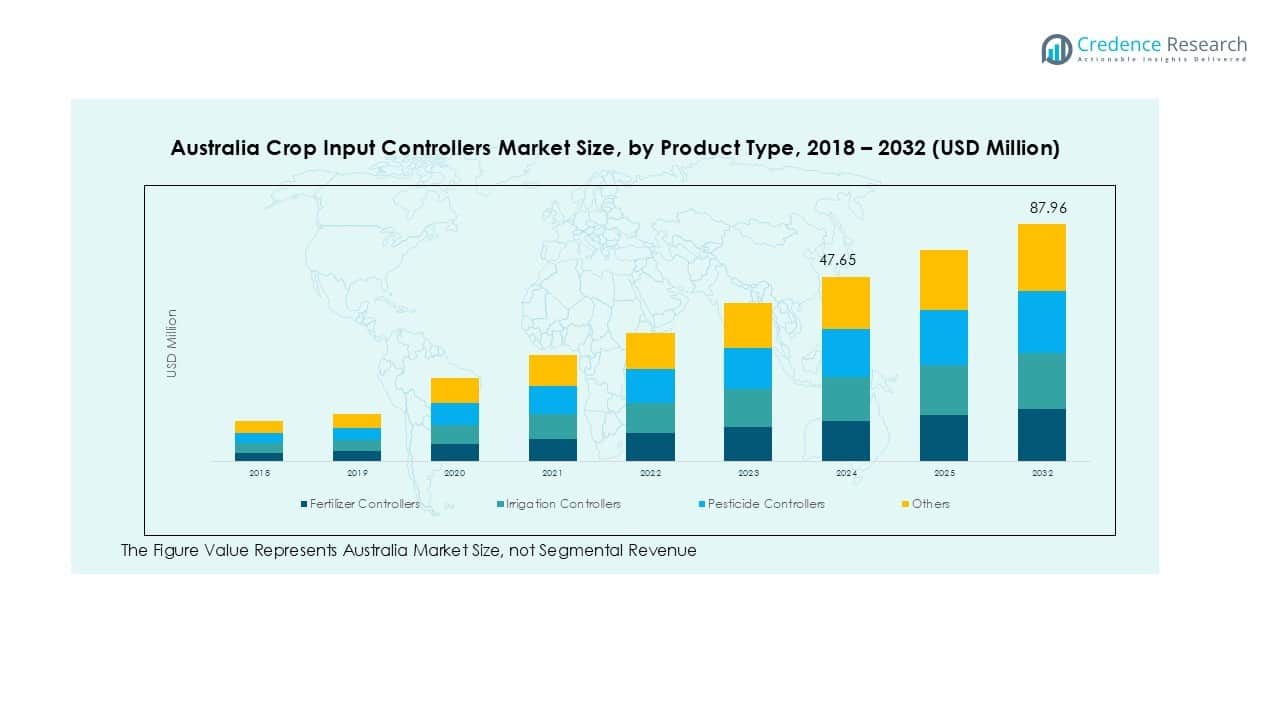
By Type:
- Bags & Pouches
- Wraps
- Tapes
- Labels
By Application:
- Food
- Beverage
- Tobacco
- Personal Care
- Pharmaceutical
- Electrical & Electronics
- Others
By Thickness:
- Below 15 Microns
- 15–30 Microns
- 30–45 Microns
- More Than 45 Microns
By Production Process:
- Tenter
- Tubular
Regional Analysis:
Strong Market Presence in New South Wales and Victoria
New South Wales and Victoria together account for 58% of the total revenue share in the Australia BOPP Films Market, reflecting their dominant role in national production and consumption. These states benefit from established manufacturing bases, extensive packaging facilities, and proximity to major consumer hubs. It supports a robust supply chain that caters to food, beverage, and pharmaceutical packaging needs. Advanced extrusion and orientation technologies adopted by local converters enhance product quality and cost efficiency. Continuous technological upgrades and innovation in film processing strengthen the competitive positioning of manufacturers in these regions. The concentration of industry players fosters collaboration and drives sustained market growth.
Queensland Emerging as a High-Growth Region
Queensland contributes 23% to the overall value share of the Australia BOPP Films Market, supported by the expansion of agricultural exports and food processing activities. It has become a preferred location for flexible packaging manufacturers catering to both domestic and export-oriented industries. The growing demand for moisture-resistant and high-clarity films from food and beverage producers stimulates steady investment. The state’s strong logistics and trade networks enable efficient supply across national and regional markets. Local companies are focusing on cost optimization and sustainable production to enhance competitiveness. The region’s industrial diversification continues to create favorable conditions for market expansion.
Western and Southern Regions Offering New Investment Potential
Western Australia and South Australia together represent 19% of the total share in the Australia BOPP Films Market, highlighting their growing contribution to national packaging demand. It is driven by the expansion of mining, agriculture, and logistics sectors that rely on durable and flexible packaging materials. Increasing investments in recycling and eco-friendly production facilities are strengthening their regional industrial base. Local governments are promoting initiatives that attract packaging manufacturers and improve supply chain resilience. Producers entering these markets gain access to emerging customer segments and export opportunities. These developments are expected to reinforce balanced regional growth and support long-term industry sustainability.
Key Player Analysis:
- Integrated Packaging Group
- Taghleef Industries
- Cosmo Films Limited
- UFlex Ltd.
- Innovia Films
- Jindal Poly Films
Competitive Analysis:
The Australia BOPP Films Market is highly competitive, characterized by the presence of both domestic and international manufacturers. Key players focus on technological innovation, product diversification, and sustainability to strengthen their market position. It faces intense competition in high-barrier, specialty, and eco-friendly film segments, where quality, clarity, and performance are critical differentiators. Leading companies pursue strategic developments including acquisitions, new product launches, and regional expansions to enhance revenue share and operational footprint. Cost optimization and efficient supply chain management remain central to maintaining competitiveness. It also leverages advanced production processes, such as tenter and tubular methods, to meet diverse application requirements across food, beverage, pharmaceuticals, and consumer goods sectors. Strong collaboration between converters and end-users supports innovation and customization, ensuring resilience and long-term growth within the market.
Recent Developments:
- In September 2025, Integrated Packaging Solutions (IPS) acquired Altek Company Tech Products, a manufacturer of testing equipment for can and lid manufacturing.
- In May 2025, Taghleef Industries launched SHAPE360® TDSW, a white polyolefin TD shrink sleeve label film.
Report Coverage:
The research report offers an in-depth analysis based on Type, Application, Thickness, Production Process. It details leading market players, providing an overview of their business, product offerings, investments, revenue streams, and key applications. Additionally, the report includes insights into the competitive environment, SWOT analysis, current market trends, as well as the primary drivers and constraints. Furthermore, it discusses various factors that have driven market expansion in recent years. The report also explores market dynamics, regulatory scenarios, and technological advancements that are shaping the industry. It assesses the impact of external factors and global economic changes on market growth. Lastly, it provides strategic recommendations for new entrants and established companies to navigate the complexities of the market.
Future Outlook:
- The Australia BOPP Films Market is expected to see increased adoption of sustainable and recyclable packaging solutions across industries.
- Demand for high-barrier and specialty films will grow due to the need for extended shelf life and product protection.
- Technological advancements in film extrusion and orientation will drive improvements in clarity, strength, and printability.
- E-commerce expansion will create opportunities for lightweight, durable, and customizable packaging formats.
- Manufacturers will invest in bio-based and eco-friendly BOPP films to align with environmental regulations and corporate sustainability goals.
- Regional growth in Queensland, Western Australia, and South Australia will support broader market penetration and diversification.
- Collaboration between converters and end-users will increase product innovation and tailored packaging solutions.
- Rising focus on cost optimization and operational efficiency will encourage adoption of advanced production processes.
- Packaging demand from food, beverage, pharmaceutical, and personal care sectors will continue to drive market expansion.
- Strategic mergers, acquisitions, and regional expansions by key players will strengthen competitive positioning and market resilience.

Request a Free Sample
Fill in your details and we'll send you a free sample report.
- Sample data tables & charts
- Research methodology
Need a Custom Version of This Report?
Tailor the scope, geography, or segments to your exact requirements.
- Custom geography or segment scope
- Direct access to our analyst team
Frequently Asked Questions
What is the current market size for Australia BOPP Films Market, and what is its projected size in 2032?
At what Compound Annual Growth Rate is the Australia BOPP Films Market projected to grow between 2024 and 2032?
Which Australia BOPP Films Market segment held the largest share in 2024?
What are the primary factors fueling the growth of the Australia BOPP Films Market?
Which region commanded the largest share of the Australia BOPP Films Market in 2024?
Table of Content
Chapter 1. Report Introduction
- 1.1 Report Description & Purpose
- 1.1.1 Report Title & Market Definition
- 1.1.2 Unique Selling Propositions (USP) & Key Differentiators
- 1.1.3 Value Proposition for Stakeholders
- 1.2 Research Objectives
- 1.2.1 Market Sizing Objectives (Volume & Revenue) (Volume Where Applicable)
- 1.2.2 Segmentation Objectives
- 1.2.3 Competitive Intelligence Objectives
- 1.2.4 Forecast & Scenario Objectives
- 1.3 Report Scope
- 1.3.1 Australia BOPP Films Scope – Segments & Subsegments Covered
- 1.3.2 Geographic Scope – Selected Country & Subnational Markets Covered
- 1.3.3 Historical Period, Base Year & Forecast Period (2024; forecast to 2032)
- 1.3.4 Inclusions & Exclusions
- 1.4 Industry Classification & Applicable Codes
- 1.5 Currency, Measurement Units & Valuation Basis
- 1.6 Target Stakeholders
- 1.7 Limitations & Assumptions
Chapter 2. Executive Summary
- 2.1 Australia BOPP Films Snapshot
- 2.1.1 Market Size – Historical (2024) & Forecast (2024-2032) (2024: USD 469.64 million → 2032: USD 739.49 million)
- 2.1.2 Volume & Revenue – National Totals (Volume Where Applicable)
- 2.1.3 Key Market Highlights – Top Five Facts
- 2.2 Australia BOPP Films Segmentation Snapshot
- 2.2.1 Market Split by Subnational Area – 2024 vs. 2032
- 2.3 Competitive Snapshot
- 2.3.1 Top 10 Players by Revenue Share – 2024
- 2.3.2 Top 10 Players by Volume Share – 2024 (Volume Where Applicable)
- 2.3.3 Recent Strategic Developments (18-Month Summary)
- 2.4 Key Investment Highlights & Strategic Conclusions
Chapter 3. Australia BOPP Films Dynamics & Industry Analysis
- 3.1 Market Overview & Context
- 3.1.1 Australia BOPP Films Position in the Broader Industry Value Chain
- 3.1.2 Demand Structure & Purchasing Dynamics
- 3.1.3 Market Maturity & Development Stage Across Domestic Markets
- 3.2 Australia BOPP Films Drivers
- 3.3 Australia BOPP Films Restraints & Challenges
- 3.4 Australia BOPP Films Opportunities
- 3.5 Porter's Five Forces Analysis
- 3.5.1 Threat of New Entrants
- 3.5.2 Bargaining Power of Suppliers
- 3.5.3 Bargaining Power of Buyers
- 3.5.4 Threat of Substitutes
- 3.5.5 Competitive Rivalry – Intensity Assessment
- 3.6 Australia BOPP Films Value Chain Analysis
- 3.6.1 Upstream – Key Inputs, Resources & Suppliers
- 3.6.1.1 Key Input/Resource 1
- 3.6.1.2 Key Input/Resource 2
- 3.6.1.3 Key Input/Resource 3
- 3.6.2 Midstream – Core Operations & Value Creation
- 3.6.2.1 Operating Model & Process Overview
- 3.6.2.2 Key Operating Locations & Capabilities by Company
- 3.6.3 Downstream – Market Channels & End Users
- 3.6.3.1 Direct Sales & Customer Engagement Channels
- 3.6.3.2 Indirect Sales, Intermediaries & Partner Channels
- 3.6.4 Value Chain Profitability Analysis
- 3.6.1 Upstream – Key Inputs, Resources & Suppliers
- 3.7 PESTEL Analysis
- 3.7.1 Political Factors
- 3.7.2 Economic Factors
- 3.7.3 Social Factors
- 3.7.4 Technological Factors
- 3.7.5 Environmental Factors
- 3.7.6 Legal Factors
- 3.8 Australia BOPP Films Supply Chain Analysis
- 3.8.1 Critical Input & Resource Availability Risk Assessment
- 3.8.2 Supplier & Operational Concentration Risk (Geographic Exposure)
- 3.8.3 Supply & Service Disruption Impact Analysis
- 3.9 National & Subnational Regulatory Landscape
Note: The regulatory and policy landscape section covers regulations based on their applicability to the market, Australia BOPP Films category, geography, and scope of the study. Only regulatory frameworks with a material impact on operations, compliance, trade, sustainability, or market access are analyzed in detail.
Chapter 4. Key Investment Pockets & Opportunity Analysis
- 4.1 Australia BOPP Films Attractiveness Analysis
- 4.1.1 By Subnational Area – Investment Attractiveness Matrix (Market Size × CAGR)
- 4.2 Absolute Revenue Growth Opportunity
- 4.2.1 By Subnational Area – Absolute Revenue Growth Through 2032
- 4.3 Incremental Demand Opportunity
- 4.3.1 By Subnational Area – Incremental Demand Through 2032
- 4.3.2 Segment – Incremental Demand
- 4.4 Emerging Submarket Opportunity Deep Dive (Subject to Applicability)
- 4.5 Priority Domestic Market Opportunity Scorecards
- 4.5.1 Priority Domestic Market 1
- 4.5.2 Priority Domestic Market 2
- 4.5.3 Priority Domestic Market 3
- 4.5.4 Priority Domestic Market 4
Note: Domestic market scorecards cover relevant states, provinces, territories, cities, or economic zones within the selected country. Numbered entries are populated with market names suited to the national administrative structure and research scope. Geographic share tables use one consistent, nonoverlapping set of areas.
Chapter 5. Australia BOPP Films Cross-Border Trade & Market Access Analysis
- 5.1 National Trade & International Partner Overview
- 5.1.1 Export Value by Destination Country (2024)
- 5.1.2 Export Volume by Destination Country (2024) (Where Applicable)
- 5.1.3 Import Value by Source Country (2024)
- 5.1.4 Import Volume by Source Country (2024) (Where Applicable)
- 5.1.5 National & Partner-Country Trade Balances (2024)
- 5.2 Export Analysis – Segment
- 5.2.1 Category 1 (Applicable Classification Code)
- 5.2.2 Category 2 (Applicable Classification Code)
- 5.2.3 Category 3 (Applicable Classification Code)
- 5.2.4 Category 4 (Applicable Classification Code)
- 5.2.5 Category 5 (Applicable Classification Code)
- 5.3 Import Analysis – Segment
- 5.3.1 Category 1 (Applicable Classification Code)
- 5.3.2 Category 2 (Applicable Classification Code)
- 5.3.3 Category 3 (Applicable Classification Code)
- 5.3.4 Category 4 (Applicable Classification Code)
- 5.3.5 Category 5 (Applicable Classification Code)
- 5.4 Cross-Border Pricing & Transaction Benchmarks
- 5.4.1 Export Pricing – Segment & Destination Country
- 5.4.2 Import Pricing – Segment & Source Country
- 5.4.3 Price Trends (2024)
- 5.5 Key Cross-Border Trade & Delivery Routes
- 5.5.1 Cross-Border Trade/Delivery Route 1
- 5.5.2 Cross-Border Trade/Delivery Route 2
- 5.5.3 Cross-Border Trade/Delivery Route 3
- 5.5.4 Cross-Border Trade/Delivery Route 4
- 5.5.5 Cross-Border Trade/Delivery Route 5
- 5.6 Trade Policy & Market Access Impact Assessment
- 5.6.1 Tariff & Non-Tariff Barriers
- 5.6.2 National Participation in Regional Trade & Economic Frameworks
- 5.6.3 Bilateral & Multilateral Trade Agreements
- 5.6.4 Cross-Border Operating, Licensing & Localization Requirements
Note: This chapter covers international trade relevant to Australia BOPP Films in the selected country. Exports are analyzed by destination and imports by source. Domestic interregional flows are excluded from international trade totals. Goods, services, and digital offerings use applicable classifications; volume and route analyses apply only where meaningful.
Chapter 6. Competitive Landscape & Company Benchmarking
- 6.1 Australia BOPP Films Concentration & Structure
- 6.1.1 Herfindahl-Hirschman Index (HHI) – vs. 2024
- 6.1.2 Leading, Mid-Sized & Emerging Player Structure
- 6.1.3 Multinational, National & Local Player Dynamics
- 6.2 Australia BOPP Films Share Analysis – 2024
- 6.2.1 National Revenue Share by Company
- 6.2.2 National Volume Share by Company (Volume Where Applicable)
- 6.2.3 Company Revenue Share by Subnational Area
- 6.2.4 Market Share Evolution ( vs. 2024)
- 6.2.5 Company Market Share by Key Segment
- 6.2.6 Company Market Share by Customer Group
- 6.3 Operating Scale, Capacity & Infrastructure Analysis
- 6.3.1 National Operating Scale & Supply Capacity
- 6.3.2 Resource Utilization & Operating Efficiency
- 6.3.3 Output, Service Delivery & Activity Metrics
- 6.3.4 Operating Footprint & Infrastructure Map
- 6.3.5 Planned Operational & Capacity Expansion
- 6.4 Australia BOPP Films Competitive Benchmarking Matrix
- 6.4.1 Revenue, Growth, Profitability & Operating Metric Comparison
- 6.4.2 Channel Revenue Mix
- 6.4.3 Revenue Exposure Across Domestic Markets
- 6.4.4 R&D Intensity
- 6.4.5 Sustainability Maturity
- 6.5 Strategic Developments in Australia BOPP Films (Last 24 Months)
- 6.5.1 Mergers, Acquisitions & Divestments
- 6.5.2 New Products, Services & Solutions in Australia BOPP Films
- 6.5.3 Operational & Infrastructure Expansions
- 6.5.4 Strategic Alliances, Joint Ventures & Partnerships
- 6.5.5 Distribution Expansion & Market Entry
- 6.5.6 Sustainability & ESG Initiatives
- 6.6 Competitive Strategy Mapping
- 6.6.1 Leader, Challenger, Follower & Niche Classification
- 6.6.2 Pricing Strategy Comparison
- 6.6.3 Channel Strategy Matrix
Note: Strategic developments are included based on their materiality and the availability of reliable information.
Chapter 7. Australia BOPP Films – By Sales & Delivery Channel
- 7.1 Segment Overview
- 7.1.1 Volume & Revenue Split by Channel (2024 & 2032) (Volume Where Applicable)
- 7.1.2 Channel Mix Evolution (2024-2032)
Chapter 8. Subnational Market Analysis – Country Overview
- 8.1 Domestic Geographic Market Overview
- 8.1.1 Subnational Volume Share (Where Applicable)
- 8.1.2 Subnational Revenue Share
- 8.1.3 Market Volume by Subnational Area (Where Applicable)
- 8.1.4 Market Revenue by Subnational Area
- 8.1.5 Subnational Forecasts Through 2032
- 8.2 Cross-Area Segment Analysis Within the Country
- 8.2.1 By Sales & Delivery Channel
- 8.2.2 By Competitive Positioning & Price Tier
Chapter 9. Australia BOPP Films – Priority Domestic Market 1
Chapter 10. Australia BOPP Films – Priority Domestic Market 2
Chapter 11. Australia BOPP Films – Priority Domestic Market 3
Chapter 12. Australia BOPP Films – Priority Domestic Market 4
Chapter 13. Australia BOPP Films Company Profiles
- 13.1 [Company 01]
- 13.1.1 Company Overview
- 13.1.2 Key Management Personnel
- 13.1.3 Products & Services Portfolio
- 13.1.4 Financial Performance
- 13.1.5 Domestic Market Focus & Local Operating Presence
- 13.1.6 Recent Developments & Strategic Initiatives
Note: The company profile list is preliminary and may change based on research findings, market developments, data availability, and client requirements.
Chapter 14. Appendices
- Appendix A – List of Abbreviations & Acronyms
- Appendix B – Industry Classification Code Reference – Full Series
- Appendix C – Supply, Output & Operating Capacity Data Tables
- Appendix D – End-Use & Demand Base Tables
- Appendix E – Demand, Adoption & Usage Assumptions
- Appendix F – Pricing & Revenue Metric Reference Tables
- Appendix G – Company Operations & Infrastructure Database
- Appendix H – Cross-Border Trade & Activity Data Tables (Where Applicable)
- Appendix I – Regulatory Summary Tables
- Appendix J – Primary Research Participant List (Anonymized)
- Appendix K – Primary Research Questionnaire Framework
- Appendix L – Data Sources & Bibliography
- Appendix M – Market Size Divergence & Source Comparison
Chapter 15. Research Methodology
- 15.1 Research Framework & Philosophy
- 15.2 Secondary Research – Sources, Hierarchy & Data Extraction
- 15.3 Data Modeling – National Market Sizing & Subnational Allocation
- 15.4 Primary Research – Stakeholder Framework, LOI & Sample Sizes
- 15.5 Forecast Methodology – Regression, Scenario & Sensitivity Analysis
- 15.6 Quality Control – Four-Layer Validation Framework
- 15.7 Limitations & Standard Assumptions
- 15.8 Disclaimer
