
| REPORT ATTRIBUTE | DETAILS |
|---|---|
| Historical Period | 2019-2022 |
| Base Year | 2023 |
| Forecast Period | 2024-2032 |
| Psoriasis Treatment Market Size 2023 | USD 25,671.82 Million |
| Psoriasis Treatment Market, CAGR | 8.20% |
| Psoriasis Treatment Market Size 2032 | USD 52,179.75 Million |
Market Overview
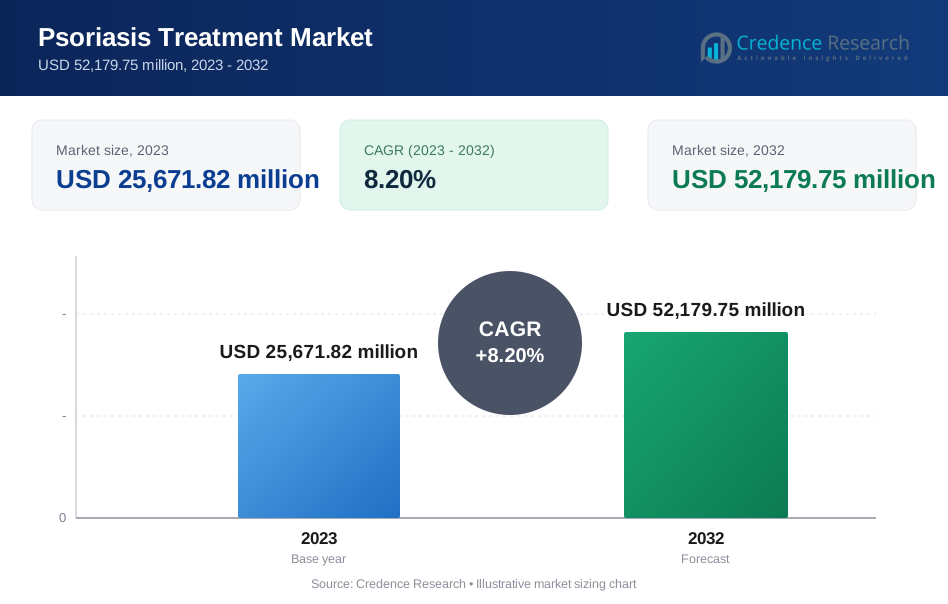
The Psoriasis Treatment Market is projected to grow from USD 25,671.82 million in 2023 to an estimated USD 52,179.75 million by 2032, with a compound annual growth rate (CAGR) of 8.20% from 2024 to 2032. This growth is driven by the increasing prevalence of psoriasis globally, the rising awareness about the disease, and the continuous advancement in therapeutic options.
The key market drivers include the growing adoption of biologic therapies, advancements in precision medicine, and increasing government support for psoriasis awareness and research. Additionally, the expanding geriatric population, combined with the rising incidence of autoimmune diseases, is fueling the demand for innovative treatment options. Market trends indicate a shift toward personalized medicine and combination therapies that enhance treatment efficacy. The ongoing research into gene therapy and novel drug delivery systems is also contributing to market growth, with a focus on improving patient outcomes and reducing side effects.
Geographically, North America holds the largest share of the psoriasis treatment market, driven by well-established healthcare infrastructure, high healthcare expenditure, and significant adoption of advanced therapies. However, the Asia Pacific region is expected to witness the highest growth rate, owing to increasing healthcare awareness and improving access to treatment options. Key players in the market include Novartis AG, Johnson & Johnson, AbbVie Inc., Eli Lilly and Company, and Amgen Inc., all of which are focused on developing innovative therapies to address the diverse needs of psoriasis patients.
Market Insights
- The psoriasis treatment market is expected to grow from USD 25,671.82 million in 2023 to USD 52,179.75 million by 2032, with a CAGR of 8.20% from 2024 to 2032.
- The rising global prevalence of psoriasis, along with an expanding geriatric population and autoimmune disease incidence, is driving demand for effective treatments.
- The growing adoption of biologic therapies, especially IL-17 and IL-23 inhibitors, is a major driver of market expansion.
- Innovations in personalized and combination therapies are enhancing treatment efficacy and improving patient outcomes, contributing to market growth.
- High treatment costs, especially for biologics, and complex regulatory hurdles can limit patient access and slow market growth, particularly in developing regions.
- North America holds the largest market share, driven by strong healthcare infrastructure, high spending, and widespread adoption of advanced therapies.
- The Asia-Pacific region is expected to experience the highest growth rate, supported by improving healthcare access, rising awareness, and increasing demand for innovative treatments.
Market Drivers
Increasing Prevalence of Psoriasis
The growing global prevalence of psoriasis is one of the key drivers for the expansion of the psoriasis treatment market. Psoriasis, an autoimmune disease that primarily affects the skin, is a chronic condition that affects millions of people worldwide. The World Health Organization (WHO) estimates that psoriasis affects approximately 2-3% of the global population. For instance, the WHO reports that approximately 100 million people globally are affected by psoriasis, highlighting the significant impact of this autoimmune disease on public health. Additionally, a study indicated that the age-standardized incidence rate of psoriasis in high-income countries can reach up to 112.6 cases per 100,000 people, demonstrating a higher burden in these regions compared to low-income countries, where the rate drops to about 38.1 cases per 100,000 people. Furthermore, research has shown that 30% of individuals with psoriasis may also develop psoriatic arthritis, underscoring the interconnected nature of these conditions and the need for effective treatment strategies. As more individuals are diagnosed with this disease, the demand for effective and advanced treatment options increases, thereby propelling market growth. Factors such as urbanization, changes in lifestyle, and rising stress levels contribute to an increased incidence of psoriasis, especially among younger populations. The rising burden of psoriasis is leading to greater demand for both established therapies, such as topical treatments and phototherapy, and newer treatment options, such as biologics and systemic medications.
Advancements in Biologic Therapies
The introduction and increasing use of biologic therapies are transforming the treatment landscape for psoriasis. Biologics, such as TNF inhibitors (e.g., etanercept, adalimumab), IL-17 inhibitors (e.g., secukinumab), and IL-23 inhibitors (e.g., guselkumab), have demonstrated significant effectiveness in managing moderate to severe psoriasis, particularly for patients who do not respond to traditional treatments. These biologic drugs work by targeting specific molecules involved in the inflammatory process, thereby reducing symptoms and preventing disease flare-ups. The growing preference for biologics due to their high efficacy, ability to target the root causes of the disease, and reduced side effects compared to conventional therapies is driving the market. Additionally, the increasing approval of new biologic therapies by regulatory authorities such as the FDA and EMA, combined with greater patient accessibility, is fueling market expansion. Furthermore, the shift toward personalized medicine, where biologics are tailored to individual patient needs, is further boosting the adoption of biologic therapies.
Rising Awareness and Diagnosis Rates
Another significant driver for the psoriasis treatment market is the rising awareness about the disease and its available treatment options. In recent years, there has been a notable increase in efforts by healthcare organizations, patient advocacy groups, and pharmaceutical companies to educate the public about psoriasis and its impact on quality of life. Awareness campaigns, along with the dissemination of information through digital platforms, healthcare seminars, and social media, have contributed to reducing the stigma associated with the disease. As a result, more individuals are seeking medical help for psoriasis symptoms, leading to higher diagnosis rates. The growing recognition of psoriasis as a serious chronic condition has also encouraged more patients to pursue long-term treatment solutions, further fueling the demand for therapies. As people become more informed about available treatment options, they are more likely to seek out new and innovative therapies, which in turn drives market growth.
Improved Healthcare Infrastructure and Access to Treatment
Improved healthcare infrastructure, particularly in emerging economies, is making it easier for patients to access psoriasis treatment options. With increasing healthcare investments and the development of robust healthcare systems, patients in both developed and developing regions now have better access to specialized dermatology services. For instance, countries in North America, Europe, and parts of Asia are witnessing enhanced healthcare systems with increased availability of advanced treatments such as biologics and improved patient management. Moreover, initiatives by governments and non-governmental organizations (NGOs) to expand healthcare coverage and reduce financial barriers to treatment are playing a crucial role in increasing treatment access. This improvement in healthcare accessibility is particularly evident in developing nations where better healthcare infrastructure is improving early diagnosis and enabling timely initiation of appropriate treatments. As a result, more patients are now able to receive effective psoriasis management, thus fueling market growth.In addition to these primary drivers, several secondary factors are influencing the psoriasis treatment market. For example, the increasing focus on research and development (R&D) in the dermatology space has led to the development of novel treatment options such as oral small molecules and targeted therapies. Additionally, regulatory support for new treatments, favorable reimbursement policies, and collaborations between pharmaceutical companies and research institutions to advance psoriasis therapies are also contributing to market expansion. The growing recognition of the psychosocial impacts of psoriasis—including its effect on mental health—is further driving demand for more effective treatments as patients increasingly seek therapies that not only address physical symptoms but also improve their overall quality of life.
Market Trends
Shift Toward Personalized and Targeted Therapies
A prominent trend in the psoriasis treatment market is the shift towards personalized and targeted therapies. Traditional treatments, such as topical corticosteroids and phototherapy, primarily focus on managing symptoms rather than addressing the underlying causes of psoriasis. However, advancements in molecular biology and immunology have led to the development of targeted therapies that specifically address the immune system's involvement in the disease. Biologics, such as IL-17 inhibitors (e.g., secukinumab) and IL-23 inhibitors (e.g., guselkumab), are increasingly being used for their high precision and effectiveness in treating moderate to severe cases of psoriasis. For instance, recent studies have highlighted the role of biomarkers in tailoring treatment plans for psoriasis patients. Research indicates that identifying specific genetic markers, such as the HLA-C02:06 status, can help stratify patients into subgroups that respond differently to various biologics. This approach allows for more precise treatment strategies that align with individual patient profiles, enhancing treatment efficacy and minimizing side effects. Furthermore, as research in precision medicine advances, therapies are becoming more tailored to individual patient profiles based on genetic, environmental, and lifestyle factors, improving treatment efficacy and reducing adverse effects. Personalized treatments are now increasingly becoming a central focus for both healthcare providers and pharmaceutical companies, contributing significantly to the growing demand for biologic therapies.
Combination Therapies for Enhanced Efficacy
Another significant trend in the psoriasis treatment market is the growing adoption of combination therapies. While biologics and systemic therapies have revolutionized the treatment of moderate to severe psoriasis, some patients still experience incomplete or suboptimal responses. As a result, healthcare providers are increasingly turning to combination therapies that blend biologics with traditional treatments, such as topical corticosteroids or phototherapy. The goal of combination therapy is to enhance the therapeutic effect while minimizing side effects by using drugs that act on different aspects of psoriasis pathogenesis. For instance, clinical observations suggest that patients who combine methotrexate with biologics like secukinumab often experience improved disease control during flare-ups compared to those on monotherapy. This strategy not only targets multiple pathways involved in psoriasis but also provides a more flexible treatment regimen tailored to the patient's specific needs. This growing trend is likely to continue as researchers explore new drug combinations that target multiple pathways involved in psoriasis, leading to even more effective treatments and improved patient outcomes.
Focus on Patient-Reported Outcomes and Quality of Life
The focus on patient-reported outcomes (PROs) and quality of life (QoL) has become an increasingly important trend in the psoriasis treatment market. Psoriasis not only causes physical symptoms such as skin lesions and itching but also has a significant psychological and emotional impact on patients. Patients with psoriasis often experience depression, anxiety, and social stigma due to the visible nature of the disease. As a result, the treatment of psoriasis is no longer limited to the management of physical symptoms but also includes a focus on improving patients’ overall well-being. Pharmaceutical companies and healthcare providers are increasingly using PROs and QoL metrics to assess treatment effectiveness, emphasizing improving the psychological and social aspects of living with psoriasis. For instance, many clinical trials now incorporate PRO measures as primary endpoints, reflecting a commitment to understanding how treatments impact patients' overall well-being. This shift underscores the importance of addressing both physical symptoms and the psychological aspects of living with psoriasis, leading to more holistic treatment strategies.
Growing Investment in Research and Development
Continuous investment in research and development (R&D) is another significant trend shaping the psoriasis treatment market. Pharmaceutical companies, academic institutions, and biotechnology firms are increasing their focus on discovering novel therapies that can offer more effective and sustainable treatments for psoriasis. The understanding of psoriasis at the molecular and genetic levels has progressed significantly in recent years, leading to the development of new classes of drugs.For example, recent advancements in gene therapy and small molecules like JAK inhibitors are being explored as potential alternatives to traditional biologics. These developments are fueled by a deeper understanding of the molecular mechanisms underlying psoriasis, paving the way for novel therapies that could significantly improve patient outcomes. The heightened focus on R&D is helping to accelerate the approval of new drugs and treatment modalities, expanding the options available to healthcare providers and patients. As new therapies continue to enter the market, the competitive landscape in psoriasis treatment will become more dynamic, offering patients more choices for managing their condition.
Market Challenges
High Cost and Accessibility of Biologic Therapies
One of the significant challenges in the psoriasis treatment market is the high cost of biologic therapies. Biologics, such as IL-17 and IL-23 inhibitors, have revolutionized the treatment of moderate to severe psoriasis, offering improved efficacy and fewer side effects compared to traditional therapies. However, the cost of these treatments remains prohibitively high for many patients, particularly in low- and middle-income regions. The annual cost of biologic drugs can range from several thousand to tens of thousands of dollars, creating a financial burden for both patients and healthcare systems. While many developed countries have mechanisms in place, such as insurance coverage and reimbursement programs, access to these therapies can still be limited due to high out-of-pocket costs, restrictive insurance policies, or the lack of healthcare infrastructure in certain regions. This issue of affordability not only limits the market's growth potential but also raises concerns regarding equitable access to effective treatments, especially in developing countries where healthcare resources are constrained.
Side Effects and Safety Concerns of Long-Term Treatment
Despite the efficacy of newer biologic and systemic therapies, long-term use of these treatments poses safety concerns, which can discourage patient adherence and limit their widespread adoption. While biologics are generally well-tolerated, some patients may experience adverse effects, such as increased risk of infections, gastrointestinal issues, or other immune-related complications. Long-term safety data is still being evaluated for many of these newer therapies, and concerns over potential long-term effects, such as cancer risk or cardiovascular issues, could hinder their use. Furthermore, the need for regular injections or infusions can also pose compliance challenges, leading to treatment interruptions and suboptimal disease management. As psoriasis is a chronic condition requiring lifelong management, the potential side effects associated with long-term treatment could lead to patient dissatisfaction and reduced treatment adherence. Therefore, addressing the safety concerns and improving the long-term tolerability of these treatments remains a critical challenge in the psoriasis treatment market.
Market Opportunities
Expansion of Biologic Treatment Options
One of the most significant opportunities in the psoriasis treatment market lies in the ongoing expansion and diversification of biologic therapies. The increasing availability of targeted biologics, such as IL-17 and IL-23 inhibitors, offers promising treatment options for patients with moderate to severe psoriasis who are not responding to conventional therapies. Furthermore, ongoing research into biologic drugs with novel mechanisms of action presents an opportunity to create more effective and personalized treatment regimens. With continued advancements in precision medicine, biologics can be tailored to individual patient profiles, optimizing efficacy and minimizing adverse effects. This trend is expected to drive market growth, particularly as the number of biologic therapies approved by regulatory bodies continues to rise, offering patients a broader range of treatment options. Additionally, the development of biosimilars presents an opportunity to increase access to biologic treatments at a lower cost, helping to address the affordability barrier and expand the market's reach in developing regions.
Growth in Emerging Markets
Emerging markets represent a significant growth opportunity for the psoriasis treatment market. As healthcare infrastructure improves in regions such as Asia-Pacific, Latin America, and the Middle East, there is a growing demand for advanced dermatological treatments, including those for psoriasis. Increasing awareness, rising disposable incomes, and improving healthcare access are contributing to higher rates of diagnosis and treatment adoption in these regions. Pharmaceutical companies can capitalize on this trend by expanding their presence in emerging markets, offering both innovative biologics and affordable generic treatments. Additionally, the increasing availability of telemedicine and digital health platforms is improving access to psoriasis care in underserved areas, further accelerating market penetration. By tailoring marketing and distribution strategies to local needs and economic conditions, companies can tap into a rapidly growing patient base in these regions.
Market Segmentation Analysis
By Type
The psoriasis treatment market is segmented by type into plaque psoriasis, psoriatic arthritis, and other forms of psoriasis. Plaque psoriasis, accounting for 80-90% of all cases, is the largest segment in terms of both prevalence and treatment demand, with therapies ranging from topical treatments and phototherapy to systemic biologics. Psoriatic arthritis (PsA), affecting about 30% of individuals with psoriasis, is another significant segment, requiring a combination of treatments for both dermatologic and musculoskeletal symptoms, driving the demand for biologics and disease-modifying antirheumatic drugs (DMARDs). The others category includes rarer forms of psoriasis, such as inverse, guttate, and erythrodermic psoriasis, which, despite being less common, require specialized treatments and contribute to the overall market growth.
By Drug
The psoriasis treatment market is primarily driven by biologic therapies, including TNF inhibitors, such as adalimumab and etanercept, which are commonly used to treat moderate to severe psoriasis and psoriatic arthritis by targeting the TNF-alpha protein involved in inflammatory processes. Another prominent class is interleukin (IL) inhibitors, including IL-17 and IL-23 inhibitors like secukinumab and ustekinumab, which are highly effective, particularly for patients who do not respond to TNF inhibitors, by targeting immune pathways specific to psoriasis. Additionally, the market includes other treatment options such as phosphodiesterase-4 inhibitors (e.g., apremilast) and oral systemic agents like methotrexate, which remain important first-line therapies for some patients with mild to moderate psoriasis.
Segments
Based on type
- Plaque Psoriasis
- Psoriatic Arthritis
- Others
Based on Drug
- TNF Inhibitors
- Interleukins Inhibitors
- Others
Based on Product
- Biologics
- Non-Biologics
Based on route of administration
- Oral
- Parenteral/Systemic
- Topical
Based on Distribution channel
- Hospital Pharmacies
- Retail Pharmacies
- Online Pharmacie
Based on region
- North America
- U.S.
- Canada
- Mexico
- Europe
- Germany
- France
- U.K.
- Italy
- Spain
- Rest of Europe
- Asia Pacific
- China
- Japan
- India
- South Korea
- South-east Asia
- Rest of Asia Pacific
- Latin America
- Brazil
- Argentina
- Rest of Latin America
- Middle East & Africa
- GCC Countries
- South Africa
- Rest of the Middle East and Africa
Regional Analysis
North America (40%)
North America holds the largest market share in the psoriasis treatment market, accounting for approximately 40% of the global market. The region’s dominance is primarily driven by high treatment adoption rates, strong healthcare infrastructure, and widespread availability of advanced therapies, particularly biologics. The U.S., in particular, leads in the use of biologics, with patients having access to the latest treatment options, such as IL-17 and IL-23 inhibitors. Additionally, the rising prevalence of psoriasis and psoriatic arthritis in the U.S. contributes to the growing demand for effective therapies. The region's well-established insurance and reimbursement systems further enable broad access to high-cost biologic treatments, thereby accelerating market growth. The presence of key pharmaceutical companies and ongoing R&D investments also boost the regional market.
Europe (30%)
Europe holds the second-largest market share at approximately 30%. The region benefits from a robust healthcare system and high awareness of psoriasis, which drives the adoption of both traditional and innovative therapies. Countries like Germany, France, the U.K., and Italy are at the forefront of psoriasis treatment advancements, with significant uptake of biologic therapies. The European Medicines Agency (EMA) has approved numerous biologics, further expanding treatment options for patients. Increasing demand for personalized treatments, coupled with growing research into new drug formulations, is also contributing to market growth in Europe. However, healthcare expenditure constraints in some southern and eastern European countries may limit growth to some extent.
Key players
- AbbVie Inc.
- Novartis AG
- Pfizer Inc.
- LEO Pharma A/S
- Merck & Co., Inc.
- Amgen Inc.
- Eli Lilly and Company
- Evelo Biosciences, Inc.
- UCB S.A.
- Sun Pharmaceutical Industries Ltd.
Competitive Analysis
The psoriasis treatment market is highly competitive, with key players leveraging both innovation and strategic collaborations to strengthen their market positions. AbbVie Inc. leads with its blockbuster biologic, Humira, which has been a key treatment for moderate to severe psoriasis, though it faces increasing competition from newer biologics. Novartis AG and Amgen Inc. are strong contenders, with their advanced IL-17 inhibitors Cosentyx and Taltz, respectively, gaining significant market share due to their efficacy and patient adherence benefits. Pfizer Inc. also holds a competitive edge with its Tyrvaya treatment, a novel drug targeting different pathways in the immune system. Smaller players like Evelo Biosciences and UCB S.A. focus on developing new oral therapies and expanding their biologic portfolios, while Sun Pharmaceuticals and LEO Pharma maintain strong market positions in the generics and specialty segments. Competition is expected to intensify as new treatments enter the market and companies continue to invest in R&D to meet the evolving needs of psoriasis patients.
Recent Developments
- In February 2024, Merck reported positive long-term data for its biologic therapy, pembrolizumab (Keytruda), in treating psoriasis. The data indicated durable responses over a two-year period, reinforcing its potential as a treatment option for moderate to severe cases.
- In April 2024, Amgen announced the initiation of a Phase 3 trial for its investigational therapy targeting IL-23 pathways in psoriasis. This trial aims to evaluate the long-term safety and efficacy of the treatment compared to existing therapies.
- In December 2023, Eli Lilly received FDA approval for its new drug, mirikizumab, aimed at treating moderate to severe plaque psoriasis. Clinical trials showed significant improvement in PASI scores among participants.
- In January 2024, Evelo announced promising early-phase trial results for its oral therapy targeting the gut microbiome in psoriasis patients. Initial findings suggest it may help reduce systemic inflammation associated with the disease.
- In May 2024, UCB launched a new formulation of bimekizumab for psoriasis treatment, which showed improved patient compliance due to less frequent dosing requirements compared to existing therapies.
- In September 2024, Sun Pharma announced positive results from a Phase 2 study of its topical treatment for psoriasis, demonstrating significant reductions in lesion severity and overall skin condition improvement among patients.
Market Concentration and Characteristics
The psoriasis treatment market exhibits a moderate to high level of concentration, with a few key players dominating the landscape. Large pharmaceutical companies, including AbbVie Inc., Novartis AG, Amgen Inc., and Pfizer Inc., hold significant market share due to their robust portfolios of biologics and advanced therapies for moderate to severe psoriasis. These companies leverage strong R&D capabilities, extensive distribution networks, and global brand recognition to maintain their market leadership. However, the market also features smaller, innovative players like Evelo Biosciences and UCB S.A., which focus on developing novel oral therapies and expanding the treatment options available for psoriasis patients. The market is characterized by high competition, particularly in biologics, as new drug formulations and delivery methods continue to emerge. Additionally, there is a growing trend towards personalized and combination therapies, driving further innovation and increasing the number of treatment options available to patients. While biologics dominate, oral and topical therapies remain important, catering to patients with milder forms of psoriasis.
Report Coverage
The research report offers an in-depth analysis based on Type, Drug, Product, Route of administration, Distribution Channel and Region. It details leading market players, providing an overview of their business, product offerings, investments, revenue streams, and key applications. Additionally, the report includes insights into the competitive environment, SWOT analysis, current market trends, as well as the primary drivers and constraints. Furthermore, it discusses various factors that have driven market expansion in recent years. The report also explores market dynamics, regulatory scenarios, and technological advancements that are shaping the industry. It assesses the impact of external factors and global economic changes on market growth. Lastly, it provides strategic recommendations for new entrants and established companies to navigate the complexities of the market.
Future Outlook
- The demand for biologic therapies is expected to continue growing as more patients seek effective treatments for moderate to severe psoriasis, driven by better efficacy and fewer side effects compared to traditional options.
- As patents for established biologics expire, the introduction of biosimilars will enhance market competition, lower treatment costs, and improve patient access to advanced psoriasis therapies.
- There will be an increased focus on personalized psoriasis treatment, as advancements in genetic and biomarker research enable the development of more tailored therapies based on individual patient profiles.
- The future will see greater adoption of combination therapies, which integrate biologics, systemic agents, and topical treatments to address the complex nature of psoriasis and enhance treatment outcomes.
- The psoriasis treatment market will expand in emerging markets, such as China, India, and Latin America, due to improving healthcare infrastructure, rising disposable incomes, and increased awareness of psoriasis.
- Oral therapies, particularly newer drugs targeting immune pathways, will gain popularity, offering a more convenient and accessible option for patients who prefer non-injection treatments.
- The integration of telemedicine and digital health platforms will provide better access to psoriasis care, especially in remote or underserved regions, and improve patient adherence and management of chronic conditions.
- The approval of new treatments by regulatory bodies, such as the FDA and EMA, will continue to drive market expansion, offering more treatment options for patients with diverse needs.
- Pharmaceutical companies will continue to invest heavily in R&D to discover novel drugs, including targeted therapies and biologics, to meet the growing demand for effective and safer psoriasis treatments.
- Increased patient advocacy and awareness campaigns will play a critical role in early diagnosis and treatment, encouraging patients to seek timely medical attention and improving overall treatment outcomes for psoriasis.
Request a Free Sample
Fill in your details and we'll send you a free sample report.
- Sample data tables & charts
- Research methodology
Need a Custom Version of This Report?
Tailor the scope, geography, or segments to your exact requirements.
- Custom geography or segment scope
- Direct access to our analyst team
Frequently Asked Questions
What is the market size of the Psoriasis Treatment market in 2023 and 2032?
What are the main drivers of the Psoriasis Treatment market?
Which region dominates the Psoriasis Treatment market?
What are the current trends in the Psoriasis Treatment market?
Which companies are the key players in the Psoriasis Treatment market?
Table of Content
Chapter 1. Report Introduction
- 1.1 Report Description & Purpose
- 1.1.1 Report Title & Market Definition
- 1.1.2 Unique Selling Propositions (USP) & Key Differentiators
- 1.1.3 Value Proposition for Stakeholders
- 1.2 Research Objectives
- 1.2.1 Market Sizing Objectives (Volume & Revenue)
- 1.2.2 Segmentation Objectives
- 1.2.3 Competitive Intelligence Objectives
- 1.2.4 Forecast & Scenario Objectives
- 1.3 Report Scope
- 1.3.1 Psoriasis Treatment Scope – Types & Subtypes Covered
- 1.3.2 Geographic Scope – Regions & Countries Covered
- 1.3.3 Historical Period, Base Year & Forecast Period (2023; forecast to 2032)
- 1.3.4 Inclusions & Exclusions
- 1.4 HS Code & Classification Framework
- 1.5 Currency, Units & Pricing Basis
- 1.6 Target Stakeholders
- 1.7 Limitations & Assumptions
Chapter 2. Executive Summary
- 2.1 Global Psoriasis Treatment Market Snapshot
- 2.1.1 Market Size – Historical (2023) & Forecast (2023-2032) (2023: USD 25,671.82 million → 2032: USD 52,179.75 million)
- 2.1.2 Volume & Revenue – Global Totals
- 2.1.3 Key Market Highlights – Top Five Facts
- 2.2 Psoriasis Treatment Market Segmentation Snapshot
- 2.2.1 Market Split by Region – 2023 vs. 2032
- 2.3 Competitive Snapshot
- 2.3.1 Top 10 Players by Revenue Share – 2023
- 2.3.2 Top 10 Players by Volume Share – 2023
- 2.3.3 Recent Strategic Developments (18-Month Summary)
- 2.4 Key Investment Highlights & Strategic Conclusions
Chapter 3. Psoriasis Treatment Market Dynamics & Industry Analysis
- 3.1 Market Overview & Context
- 3.1.1 Psoriasis Treatment Market Position in the Broader Automotive Value Chain
- 3.1.2 OEM vs. Replacement Market Dynamics
- 3.1.3 Market Maturity & Development Stage by Region
- 3.2 Psoriasis Treatment Market Drivers
- 3.3 Psoriasis Treatment Market Restraints & Challenges
- 3.4 Psoriasis Treatment Market Opportunities
- 3.5 Porter's Five Forces Analysis
- 3.5.1 Threat of New Entrants
- 3.5.2 Bargaining Power of Suppliers
- 3.5.3 Bargaining Power of Buyers
- 3.5.4 Threat of Substitutes
- 3.5.5 Competitive Rivalry – Intensity Assessment
- 3.6 Psoriasis Treatment Value Chain Analysis
- 3.6.1 Upstream – Raw Material/Input Suppliers
- 3.6.1.1 Raw Material/Input 1
- 3.6.1.2 Raw Material/Input 2
- 3.6.1.3 Raw Material/Input 3
- 3.6.2 Midstream – Production/Manufacturing/Service Delivery
- 3.6.2.1 Production/Process Overview
- 3.6.2.2 Key Facility Locations & Capacity by Manufacturer
- 3.6.3 Downstream – Distribution & End Consumer
- 3.6.3.1 Primary Channel – B2B/OEM
- 3.6.3.2 Secondary Channels – Dealer, Retail, Online, Direct
- 3.6.4 Value Chain Profitability Analysis
- 3.6.1 Upstream – Raw Material/Input Suppliers
- 3.7 PESTEL Analysis
- 3.7.1 Political Factors
- 3.7.2 Economic Factors
- 3.7.3 Social Factors
- 3.7.4 Technological Factors
- 3.7.5 Environmental Factors
- 3.7.6 Legal Factors
- 3.8 Psoriasis Treatment Supply Chain Analysis
- 3.8.1 Raw Material/Input Supply Risk Assessment
- 3.8.2 Manufacturing Concentration Risk (Geographic Exposure)
- 3.8.3 Trade Disruption Impact Analysis
- 3.9 Regulatory & Policy Landscape
Note: The regulatory and policy landscape section covers regulations based on their applicability to the market, Psoriasis Treatment category, geography, and scope of the study. Only regulatory frameworks with a material impact on operations, compliance, trade, sustainability, or market access are analyzed in detail.
Chapter 4. Key Investment Pockets & Opportunity Analysis
- 4.1 Psoriasis Treatment Market Attractiveness Analysis
- 4.1.1 By Region – Investment Attractiveness Matrix (Volume × CAGR)
- 4.2 Absolute Revenue Growth Opportunity
- 4.2.1 By Region – Absolute USD Growth Through 2032
- 4.3 Incremental Volume Opportunity
- 4.3.1 By Region – Incremental Volume Through 2032
- 4.3.2 Segment – Incremental Volume
- 4.4 Emerging Submarket Opportunity Deep Dive (Subject to Applicability)
- 4.5 Emerging Market Opportunity Scorecards
- 4.5.1 United States
- 4.5.2 Europe
- 4.5.3 Asia
- 4.5.4 Middle East & Africa
Note: Emerging Market Opportunity Scorecards will be included based on relevance and strategic importance. Regions listed are indicative and may vary depending on data availability and market dynamics.
Chapter 5. Psoriasis Treatment Import-Export Analysis & Trade Flows
- 5.1 Global Trade Overview
- 5.1.1 Global Export Value by Country (2023)
- 5.1.2 Global Export Volume by Country (2023)
- 5.1.3 Global Import Value by Country (2023)
- 5.1.4 Global Import Volume by Country (2023)
- 5.1.5 Net Trade Balance by Country (2023)
- 5.2 Export Analysis – Segment
- 5.2.1 Type 1 (HS Code)
- 5.2.2 Type 2 (HS Code)
- 5.2.3 Type 3 (HS Code)
- 5.2.4 Type 4 (HS Code)
- 5.2.5 Type 5 (HS Code)
- 5.3 Import Analysis – Segment
- 5.3.1 Type 1 (HS Code)
- 5.3.2 Type 2 (HS Code)
- 5.3.3 Type 3 (HS Code)
- 5.3.4 Type 4 (HS Code)
- 5.3.5 Type 5 (HS Code)
- 5.4 Average Unit Trade Prices
- 5.4.1 Average Export Price – Segment & Country
- 5.4.2 Average Import Price – Segment & Source Country
- 5.4.3 Price Trends (2023)
- 5.5 Key Trade Route Analysis
- 5.5.1 Trade Route 1
- 5.5.2 Trade Route 2
- 5.5.3 Trade Route 3
- 5.5.4 Trade Route 4
- 5.5.5 Trade Route 5
- 5.6 Trade Policy Impact Assessment
- 5.6.1 US Anti-Dumping & Section 301 Tariffs
- 5.6.2 EU Customs Union Impact
- 5.6.3 Major Free Trade Agreements
- 5.6.4 USMCA Rules of Origin
Note: Trade policy analysis will be included only where relevant to the Psoriasis Treatment market.
Chapter 6. Competitive Landscape & Company Benchmarking
- 6.1 Psoriasis Treatment Market Concentration & Structure
- 6.1.1 Herfindahl-Hirschman Index (HHI) – vs. 2023
- 6.1.2 Tier 1, Tier 2 & Tier 3 Market Structure
- 6.1.3 Global, Regional & Local Player Dynamics
- 6.2 Psoriasis Treatment Market Share Analysis – 2023
- 6.2.1 Global Revenue Share by Company
- 6.2.2 Global Volume Share by Company
- 6.2.3 Regional Revenue Share
- 6.2.4 Market Share Evolution ( vs. 2023)
- 6.2.5 OEM Segment Share by Company
- 6.2.6 Replacement Segment Share by Company
- 6.3 Production/Delivery Capacity & Facility Analysis
- 6.3.1 Global Installed Capacity
- 6.3.2 Capacity Utilization Rates
- 6.3.3 Production/Output Volume
- 6.3.4 Facility Locations & Capacity Map
- 6.3.5 Planned Capacity Additions
- 6.4 Psoriasis Treatment Competitive Benchmarking Matrix
- 6.4.1 Revenue, Volume, CAGR & Profitability Comparison
- 6.4.2 Channel Revenue Mix
- 6.4.3 Geographic Revenue Exposure
- 6.4.4 R&D Intensity
- 6.4.5 Sustainability Maturity
- 6.5 Strategic Developments in Psoriasis Treatment (Last 24 Months)
- 6.5.1 Mergers, Acquisitions & Divestments
- 6.5.2 New Psoriasis Treatment Launches
- 6.5.3 Facility Expansions
- 6.5.4 Strategic Alliances, Joint Ventures & Partnerships
- 6.5.5 Distribution Expansion & Market Entry
- 6.5.6 Sustainability & ESG Initiatives
- 6.6 Competitive Strategy Mapping
- 6.6.1 Leader, Challenger, Follower & Niche Classification
- 6.6.2 Pricing Strategy Comparison
- 6.6.3 Channel Strategy Matrix
Note: Strategic developments are included based on their materiality and the availability of reliable information.
Chapter 7. Global Psoriasis Treatment Market – By Distribution Channel
- 7.1 Segment Overview
- 7.1.1 Volume & Revenue Split by Channel (2023 & 2032)
- 7.1.2 Channel Mix Evolution (2023-2032)
Chapter 8. Regional Market Analysis – Global Overview
- 8.1 Global Regional Overview
- 8.1.1 Regional Volume Share
- 8.1.2 Regional Revenue Share
- 8.1.3 Regional Volume by Region
- 8.1.4 Regional Revenue by Region
- 8.1.5 Regional Forecast Through 2032
- 8.2 Cross-Regional Segment Analysis
- 8.2.1 By Distribution Channel
- 8.2.2 By Brand/Price Tier
Chapter 9. North America Psoriasis Treatment Market
- 9.1 United States
- 9.2 Canada
- 9.3 Mexico
Chapter 10. Europe Psoriasis Treatment Market
- 10.1 Germany
- 10.2 France
- 10.3 Italy
- 10.4 United Kingdom
- 10.5 Spain
- 10.6 Poland
- 10.7 Russia
- 10.8 Netherlands
- 10.9 Belgium
- 10.10 Sweden
- 10.11 Denmark
- 10.12 Norway
- 10.13 Rest of Europe
Chapter 11. Asia Pacific Psoriasis Treatment Market
- 11.1 China
- 11.2 India
- 11.3 Japan
- 11.4 South Korea
- 11.5 Thailand
- 11.6 Indonesia
- 11.7 Vietnam
- 11.8 Malaysia
- 11.9 Australia
- 11.10 Rest of Asia Pacific
Chapter 12. Latin America Psoriasis Treatment Market
- 12.1 Brazil
- 12.2 Argentina
- 12.3 Colombia
- 12.4 Chile
- 12.5 Rest of Latin America
Chapter 13. Middle East Psoriasis Treatment Market
- 13.1 Saudi Arabia
- 13.2 United Arab Emirates
- 13.3 Turkey
- 13.4 Israel
- 13.5 Iran
- 13.6 Rest of the Middle East
Chapter 14. Africa Psoriasis Treatment Market
- 14.1 South Africa
- 14.2 Egypt
- 14.3 Nigeria
- 14.4 Morocco
- 14.5 Rest of Africa
Chapter 15. Psoriasis Treatment Company Profiles
- 15.1 [Company 01]
- 15.1.1 Company Overview
- 15.1.2 Key Management Personnel
- 15.1.3 Products & Services Portfolio
- 15.1.4 Financial Performance
- 15.1.5 Key Market Focus & Geographic Presence
- 15.1.6 Recent Developments & Strategic Initiatives
Note: The company profile list is preliminary and may change based on research findings, market developments, data availability, and client requirements.
Chapter 16. Appendices
- Appendix A – List of Abbreviations & Acronyms
- Appendix B – Industry Classification Code Reference – Full Series
- Appendix C – Production & Capacity Data Tables
- Appendix D – End-Use & Demand Base Tables
- Appendix E – Consumption & Replacement Rate Assumptions
- Appendix F – ASP Reference Tables
- Appendix G – Manufacturing & Facility Database
- Appendix H – Import-Export Data Tables
- Appendix I – Regulatory Summary Tables
- Appendix J – Primary Research Participant List (Anonymized)
- Appendix K – Primary Research Questionnaire Framework
- Appendix L – Data Sources & Bibliography
- Appendix M – Market Size Divergence & Source Comparison
Chapter 17. Research Methodology
- 17.1 Research Framework & Philosophy
- 17.2 Secondary Research – Sources, Hierarchy & Data Extraction
- 17.3 Data Modeling – Bottom-Up & Top-Down Market Sizing
- 17.4 Primary Research – Stakeholder Framework, LOI & Sample Sizes
- 17.5 Forecast Methodology – Regression, Scenario & Sensitivity Analysis
- 17.6 Quality Control – Four-Layer Validation Framework
- 17.7 Limitations & Standard Assumptions
- 17.8 Disclaimer
